Summary
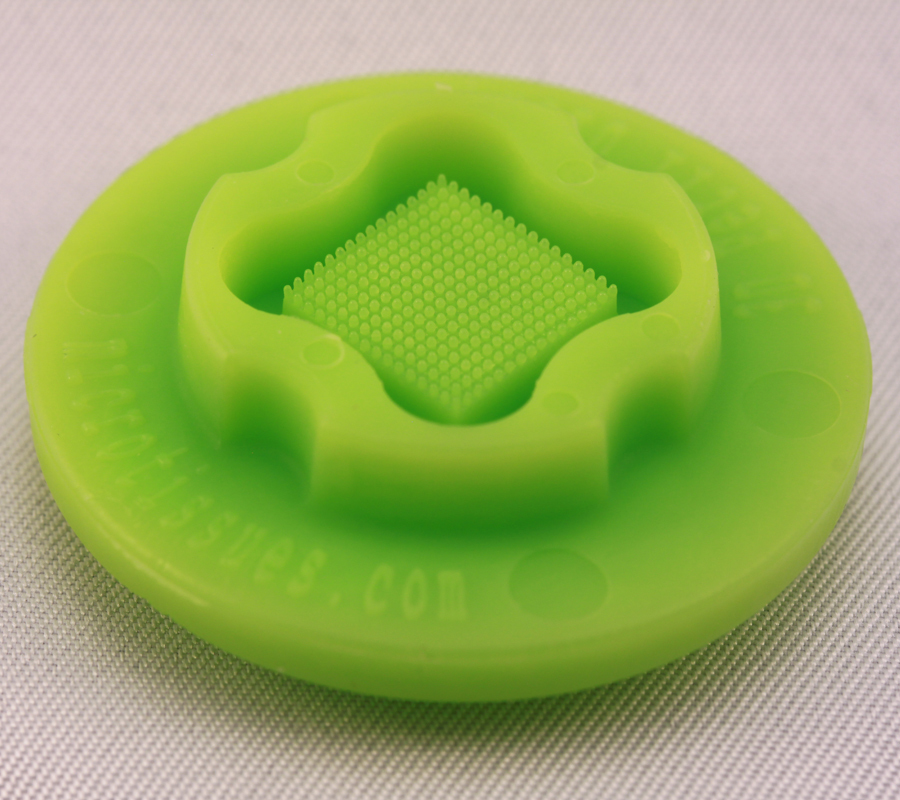
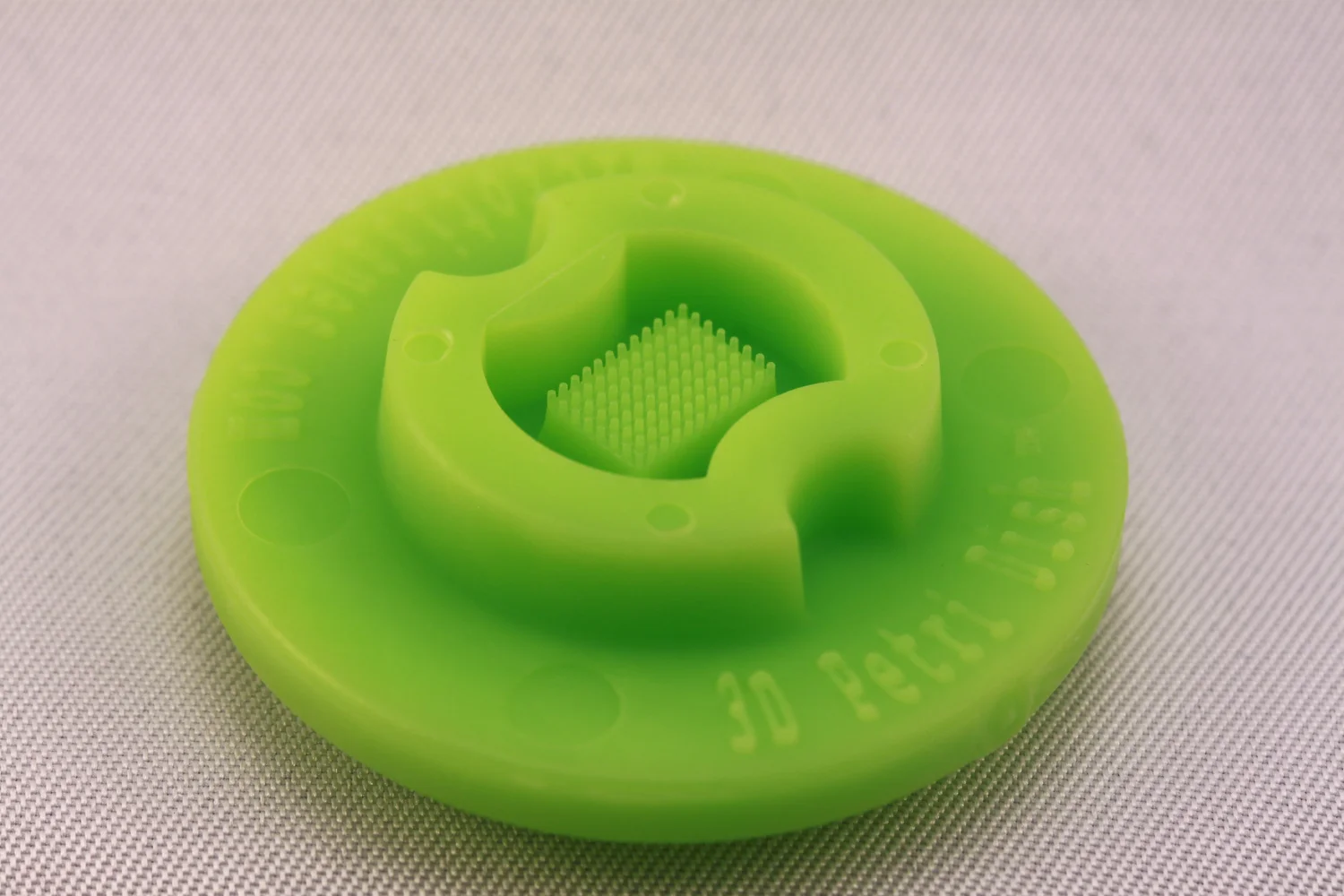
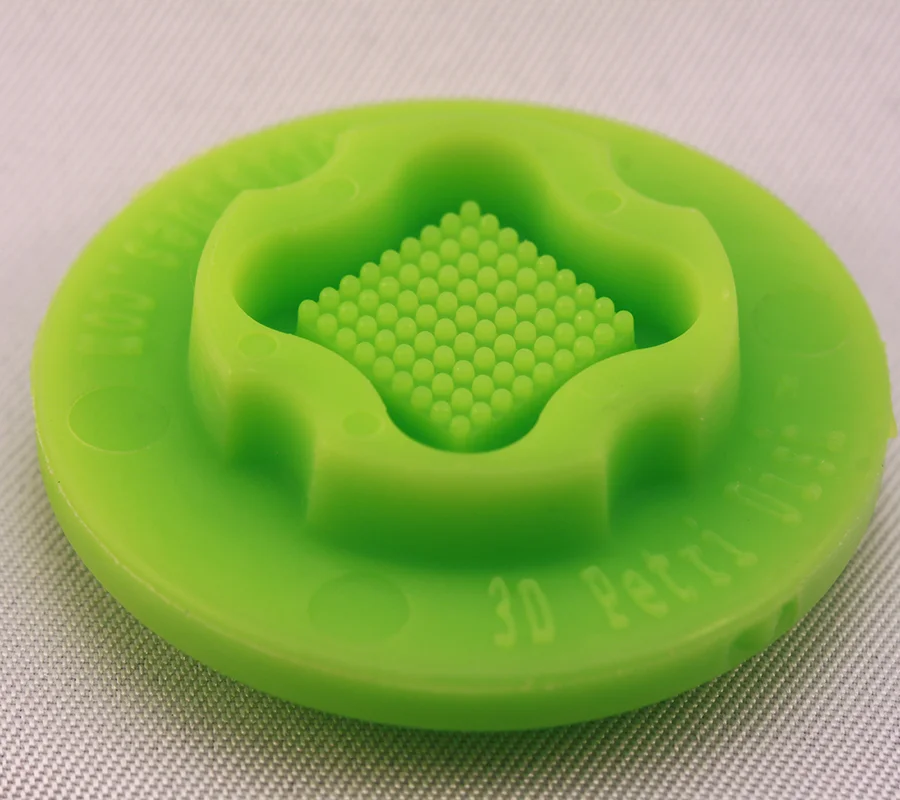
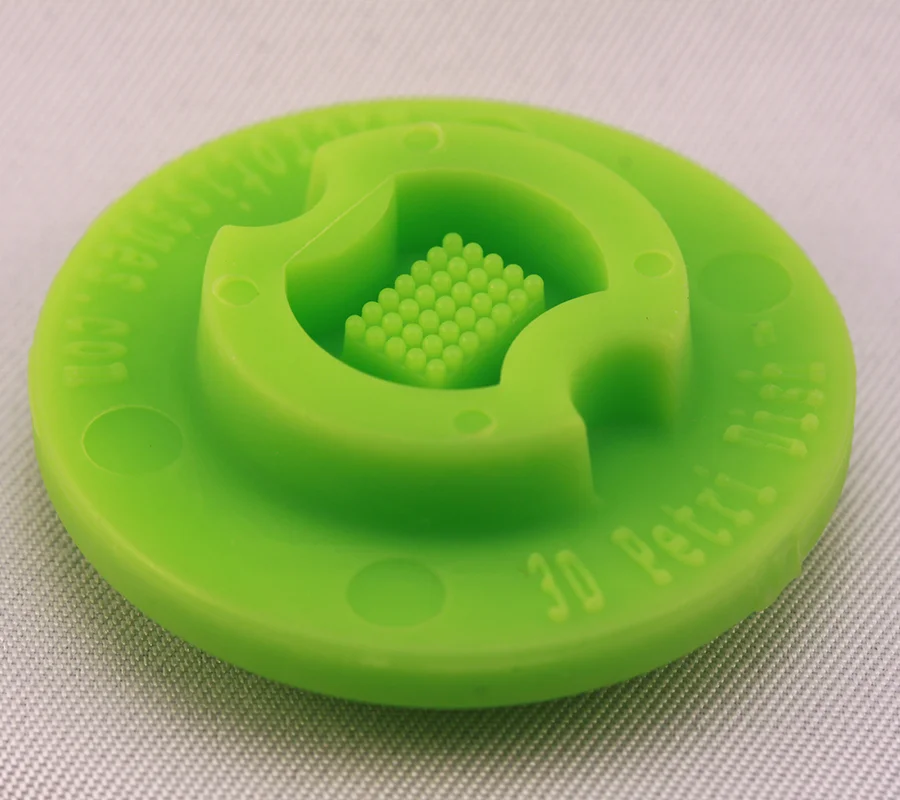
Published in PLOS ONE (2016), this peer-reviewed study used 3D Petri Dish® micro-molds to form scaffold-free 3D microtissues. Full citation: Chowanadisai, Winyoo, et al. Cisplatin Resistant Spheroids Model Clinically Relevant Survival Mechanisms in Ovarian Tumors
Cisplatin Resistant Spheroids Model Clinically Relevant Survival Mechanisms in Ovarian Tumors
Research Overview
Most ovarian tumors eventually recur in a drug-resistant form. This study exposed OVCAR-8 human ovarian carcinoma cells to sub-lethal cisplatin to derive a matched resistant line, OVCAR-8R, then assembled sensitive and resistant cells into 3D spheroids and profiled gene expression genome-wide.
The comparison identified 3,331 significantly differentially expressed probesets covering 3,139 protein-coding genes. Despite expression changes in transporters including MDR1, resistance was not associated with differences in intracellular cisplatin concentration; instead, resistant cells were enriched for a mesenchymal signature. Resistance-derived gene sets were biased toward patients with shorter survival, and from the top genes the authors derived a 17-gene signature that identifies ovarian cancer patients with shorter overall survival.
Key Discoveries
- Matched cisplatin-sensitive/resistant OVCAR-8 spheroids showed 3,139 differentially expressed genes
- Resistance was mesenchymal in character and not explained by intracellular cisplatin levels
- A 17-gene signature from the spheroid model predicts shorter overall survival in patients