Summary
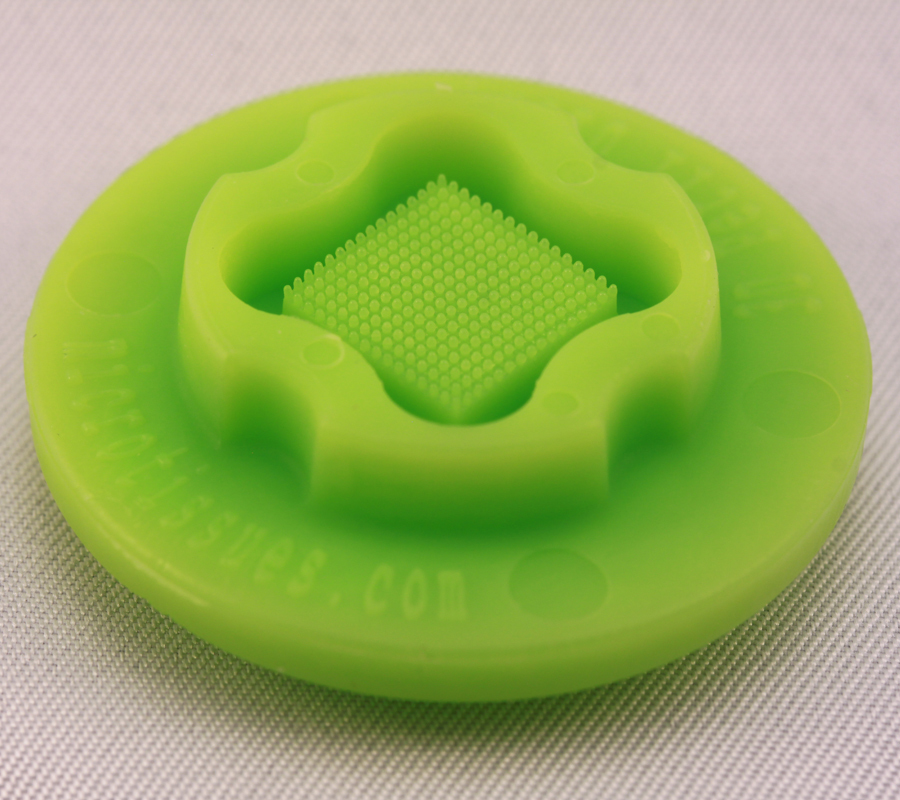
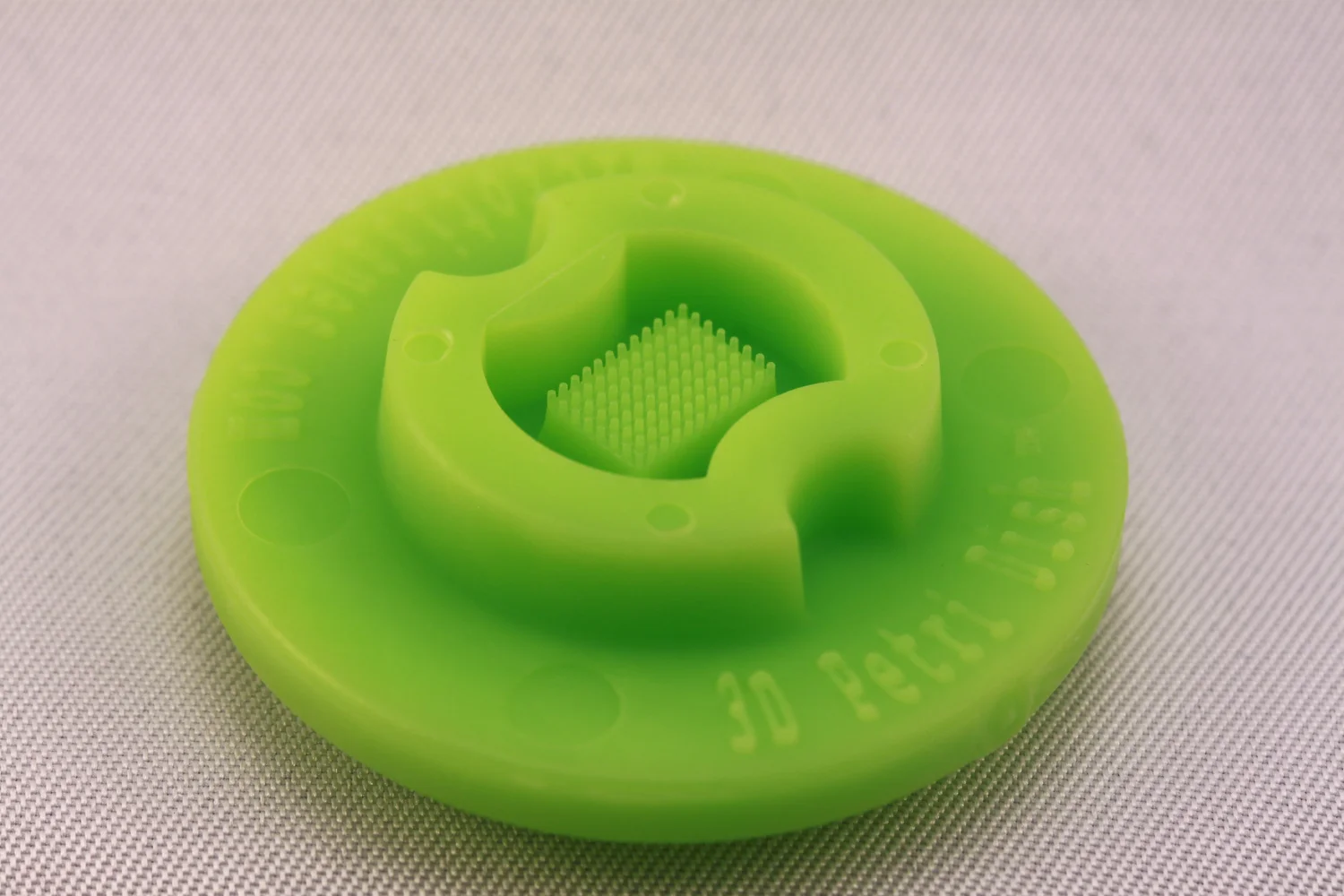
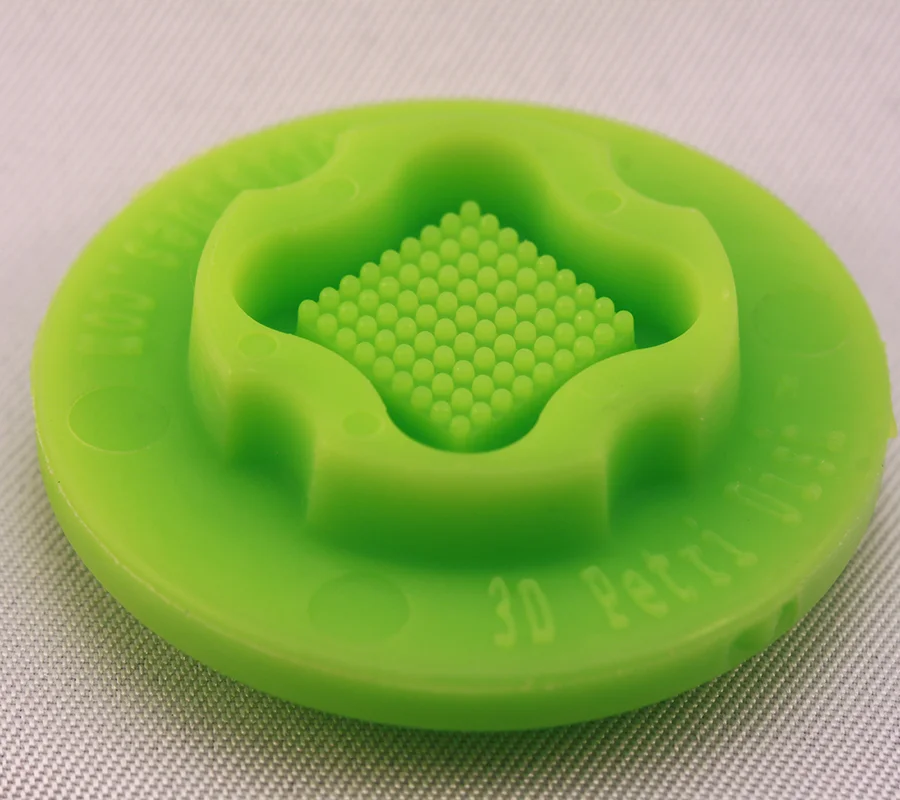
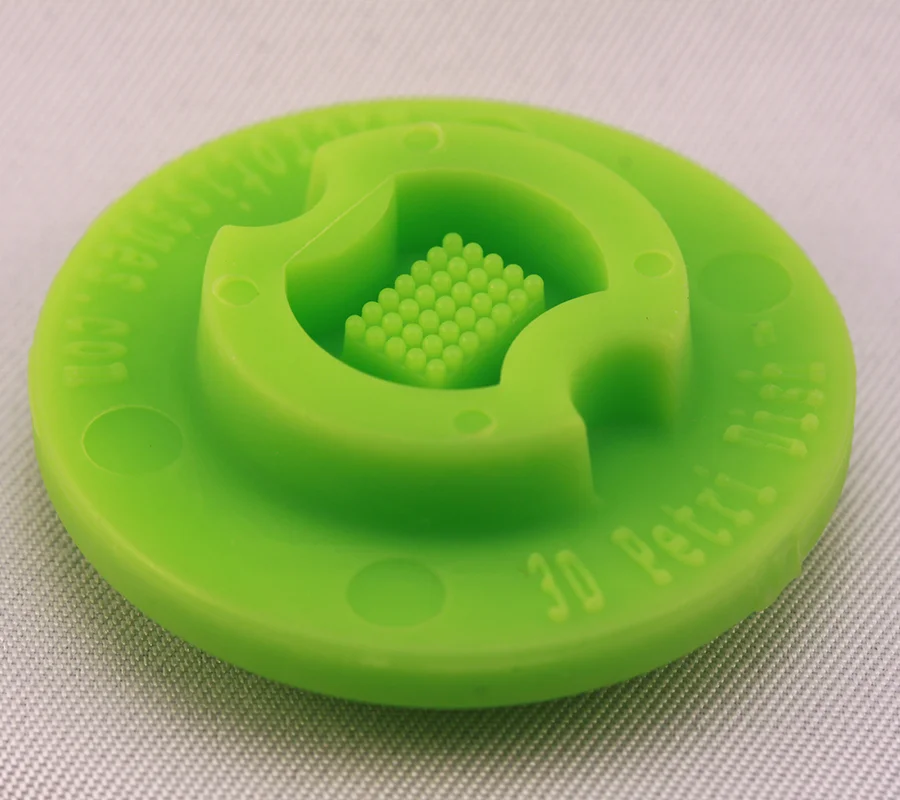
Published in Scientific Reports (2019), this peer-reviewed study used 3D Petri Dish® micro-molds to form scaffold-free 3D microtissues. Full citation: Konagaya, Shuhei, et al. Chemically defined conditions for long-term maintenance of pancreatic progenitors derived from human induced pluripotent stem cells
Chemically defined conditions for long-term maintenance of pancreatic progenitors derived from human induced pluripotent stem cells
Research Overview
Treating type 1 diabetes by cell transplantation needs on the order of a billion endocrine cells, so an expandable progenitor source is essential. This study expanded pancreatic progenitors (PDX1+/SOX9+) derived from four human iPSC lines in 3D culture using a chemically defined medium containing EGF, R-spondin-1, CHIR99021, FGF-7, and SB431542.
Progenitors from one iPSC line expanded more than 10,000-fold while retaining identity, and the expanded progenitors kept the potential to differentiate into β-like cells — chemically defined, scalable groundwork for β-cell replacement therapy.
Key Discoveries
- PDX1+/SOX9+ pancreatic progenitors from four human iPSC lines expanded in defined 3D culture
- Over 10,000-fold expansion achieved with a five-factor chemically defined medium
- Expanded progenitors retained β-like cell differentiation potential for diabetes therapy