Summary
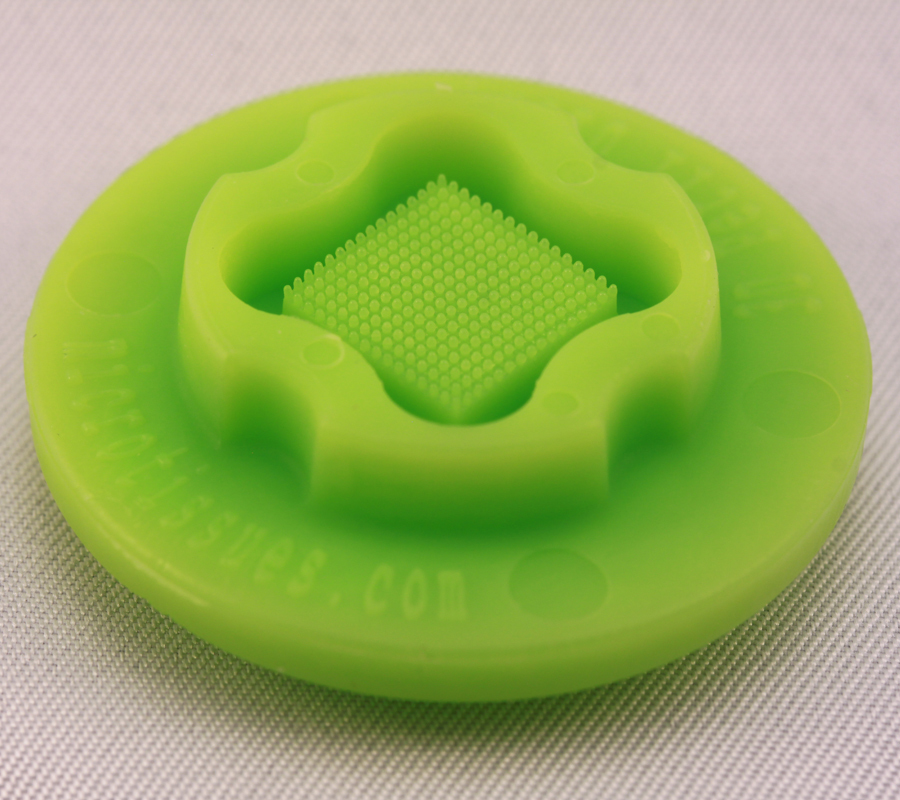
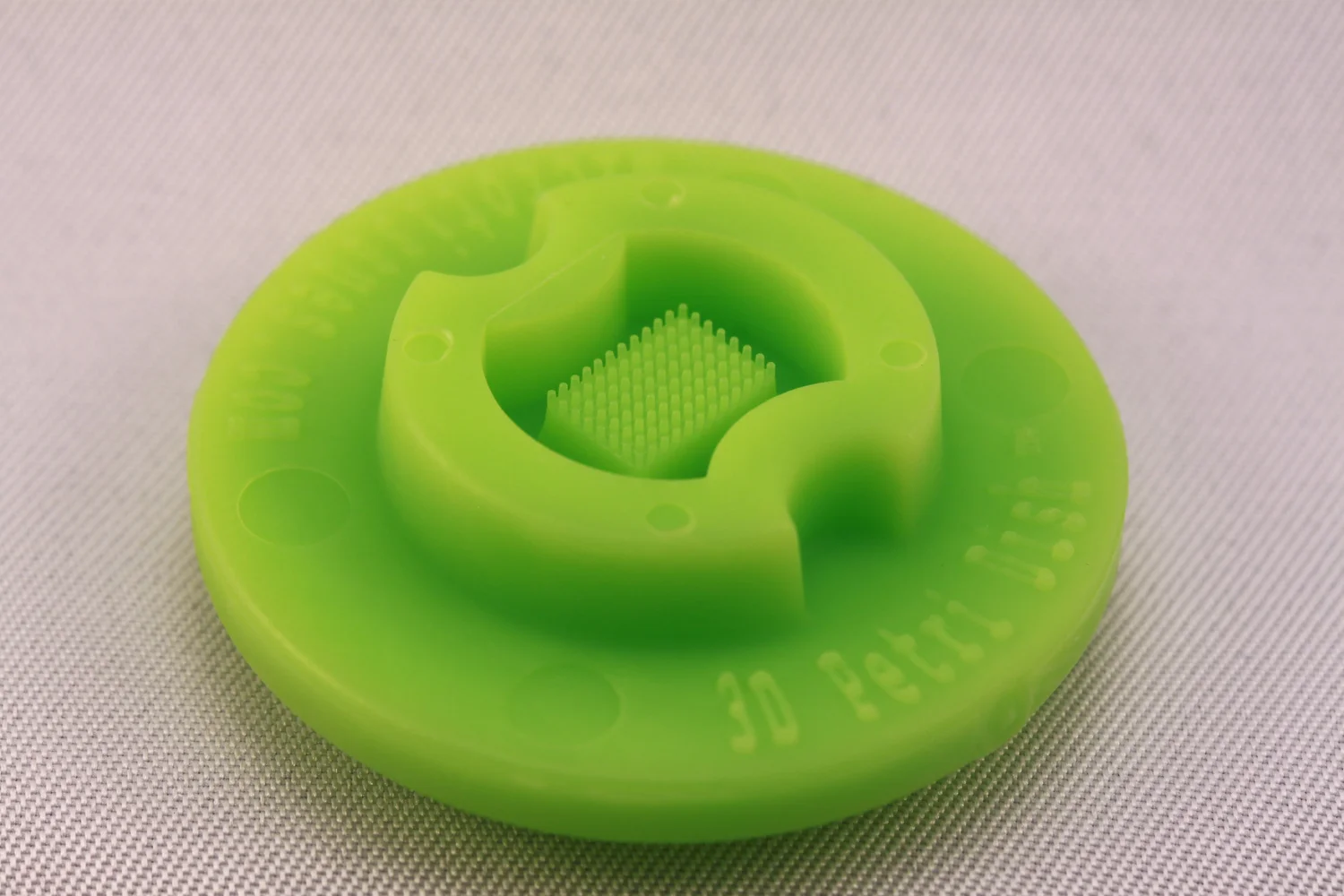
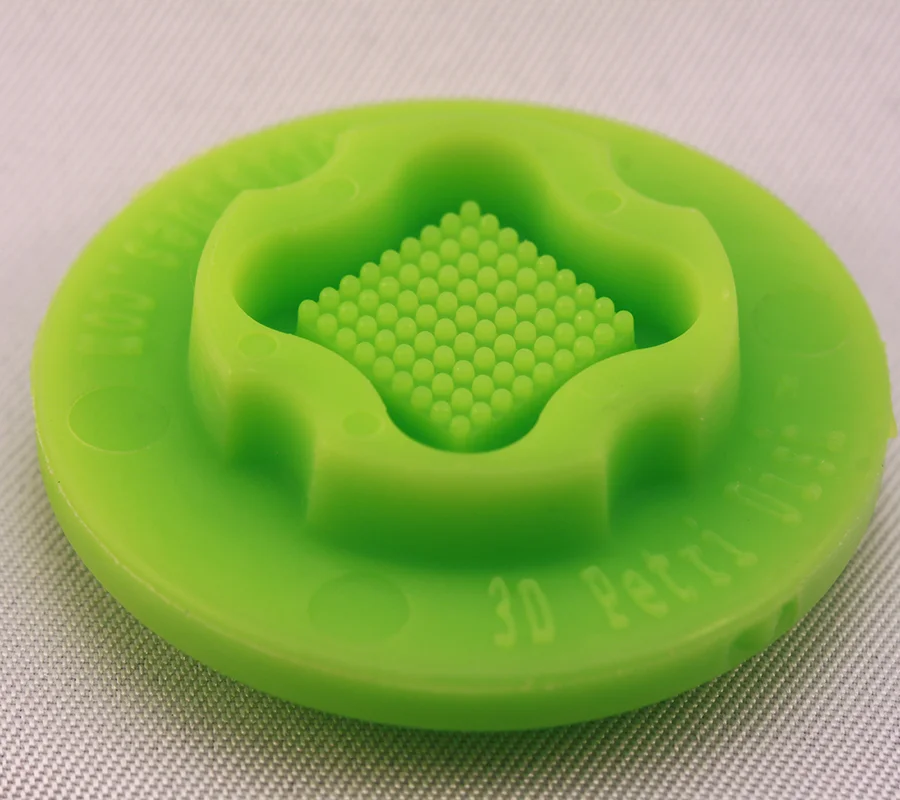
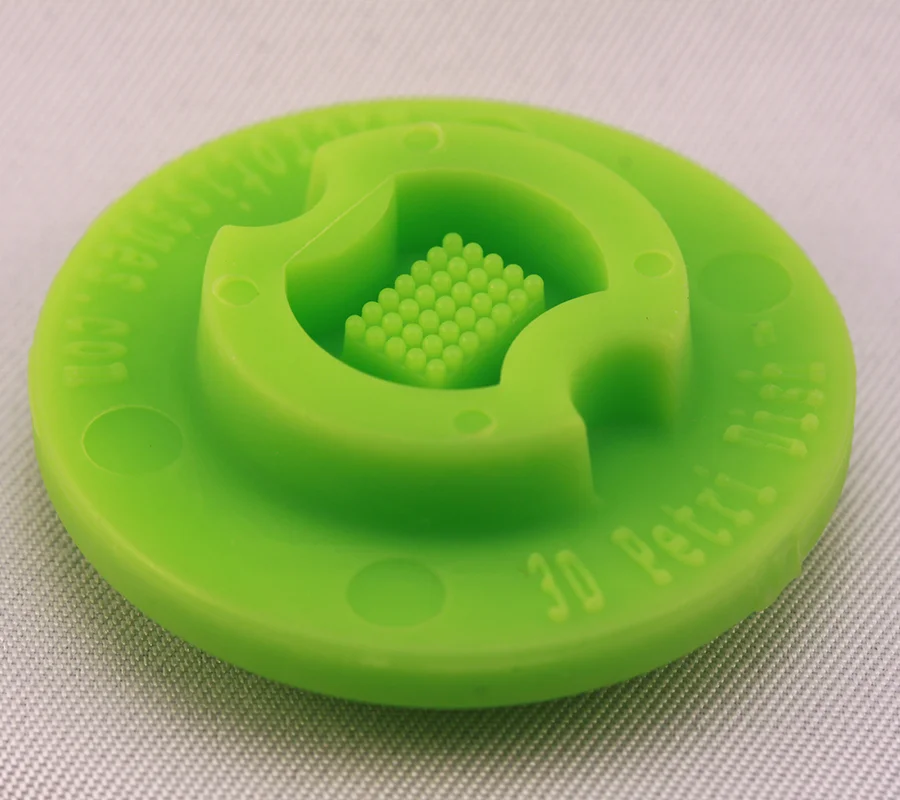
Published in Cancers (2023), this peer-reviewed study used 3D Petri Dish® micro-molds to form scaffold-free 3D microtissues. Full citation: Fayzullina, Darya, et al. Carbonic Anhydrase Inhibitors Induce Ferroptosis through Inhibition of AKT/FTH1 Signaling in Ewing Sarcoma Tumor Cells
Carbonic Anhydrase Inhibitors Induce Ferroptosis through Inhibition of AKT/FTH1 Signaling in Ewing Sarcoma Tumor Cells
Research Overview
Ewing sarcoma is one of the most frequent malignant tumors of childhood, and its highly active metabolism offers a therapeutic target. Carbonic anhydrases, primary regulators of cellular homeostasis, have emerged as candidate anticancer targets; here the isoform CAII was found overexpressed in Ewing sarcoma and positively correlated with patient relapse.
The authors tested the commercial drug acetazolamide alongside their previously discovered inhibitors against CAII. Effective inhibitors induced ferroptosis by downregulating the iron-storage protein FTH1, and in vitro they reduced proliferation, decreased invasion, and triggered apoptosis- or autophagy-related cell death.
Key Discoveries
- CAII overexpression in Ewing sarcoma correlated with patient relapse
- Effective CAII inhibitors induced ferroptosis via FTH1 downregulation
- Inhibitors reduced proliferation and invasion and triggered apoptotic or autophagic death in vitro