Summary
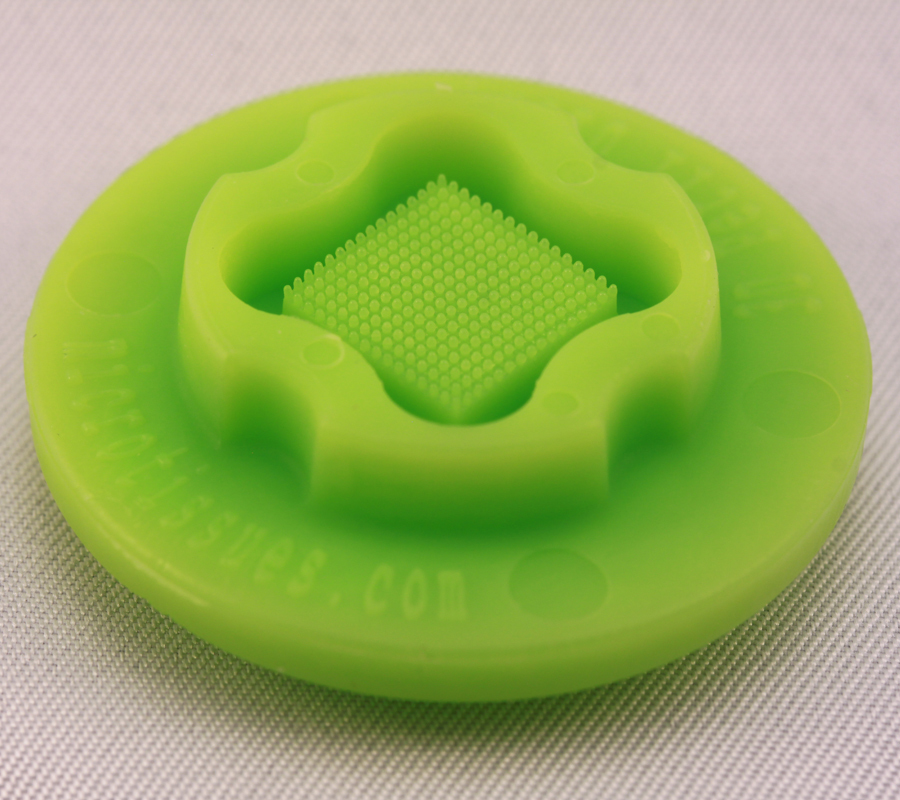
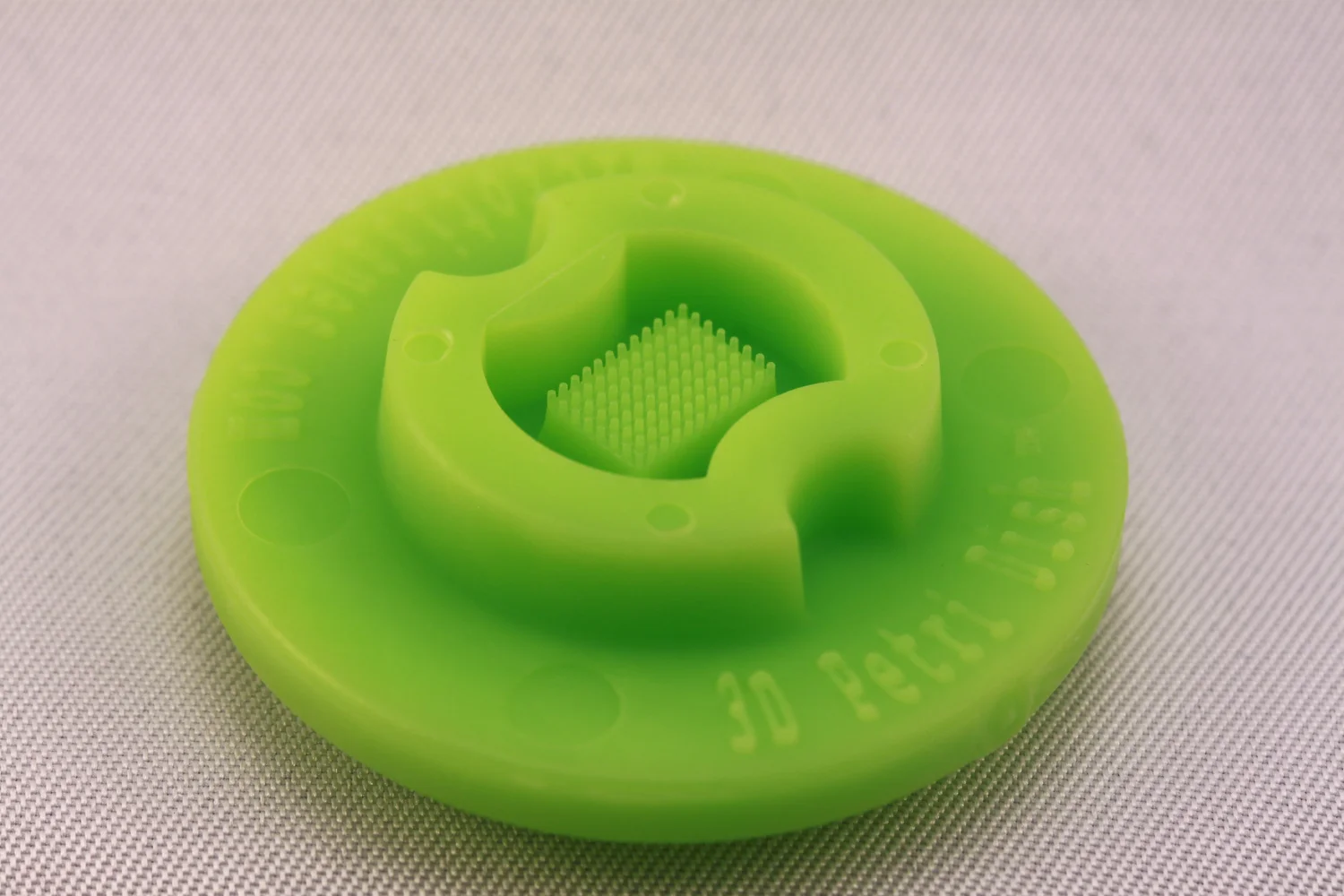
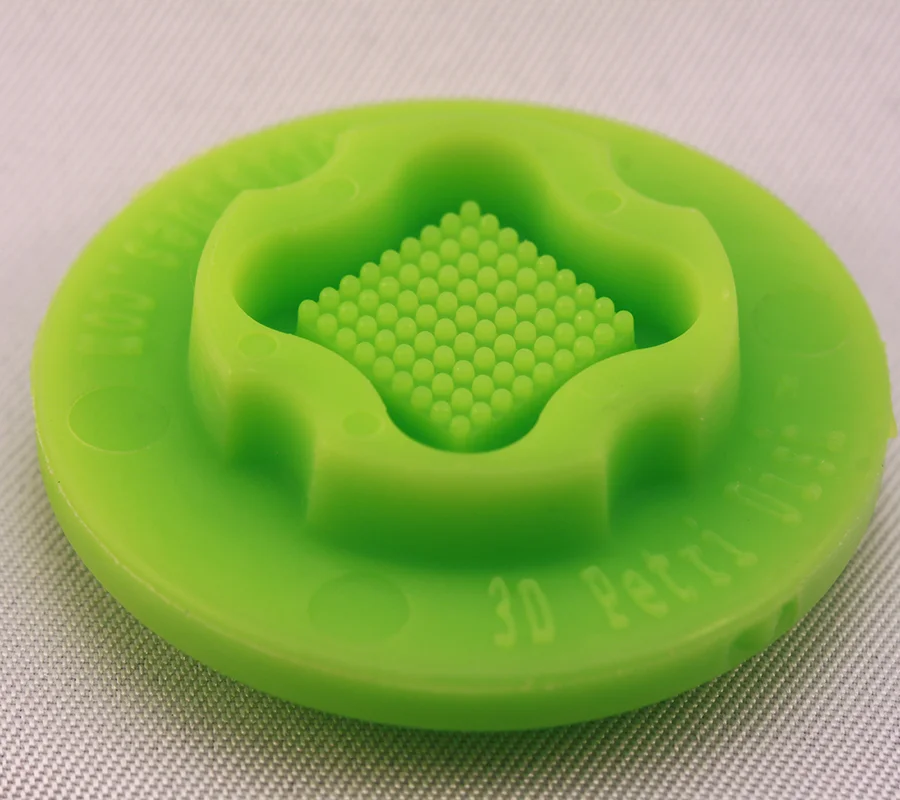
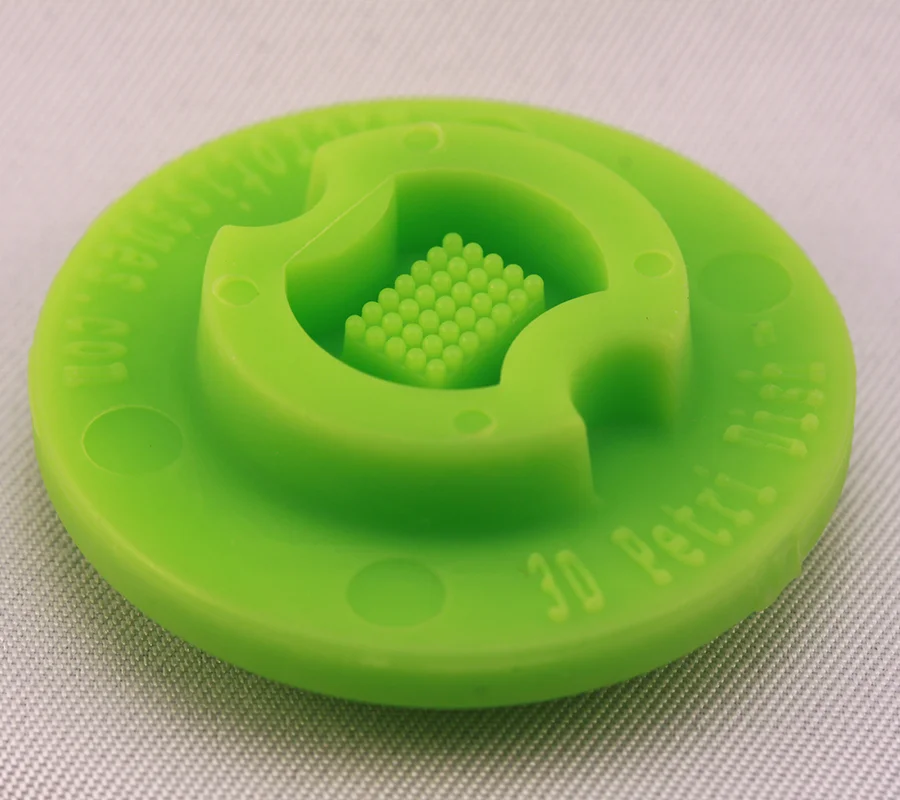
Published in The American Journal of Pathology (2025), this peer-reviewed study used 3D Petri Dish® micro-molds to form scaffold-free 3D microtissues. Full citation: Heiskanen, Lauri, et al. C5aR1 Promotes Invasion, Metastasis, and Poor Prognosis in Cutaneous Squamous Cell Carcinoma
C5aR1 Promotes Invasion, Metastasis, and Poor Prognosis in Cutaneous Squamous Cell Carcinoma
Research Overview
Cutaneous squamous cell carcinoma is the most common skin cancer that metastasizes, and the metastatic form carries a poor prognosis. This study examined the complement C5a receptor C5aR1 in its progression. In a 3D spheroid co-culture with fibroblasts, C5aR1 expression rose in the carcinoma cells, and recombinant C5a enhanced their invasion.
In human xenografts, C5aR1 stained the surface of tumor cells at the invasive edge. Multiplex immunofluorescence and immunohistochemistry across metastatic and non-metastatic primary tumors, premalignant and benign lesions, and normal skin showed increased C5aR1 on tumor cells and fibroblasts in invasive carcinomas, including those arising in recessive dystrophic epidermolysis bullosa.
Key Discoveries
- Fibroblast co-culture in 3D spheroids raised C5aR1 expression in cSCC cells; C5a increased invasion
- C5aR1 localized to tumor cells at the invasive edge of xenografts
- C5aR1 elevated on tumor cells and fibroblasts in invasive human cSCC versus benign and normal skin