Summary
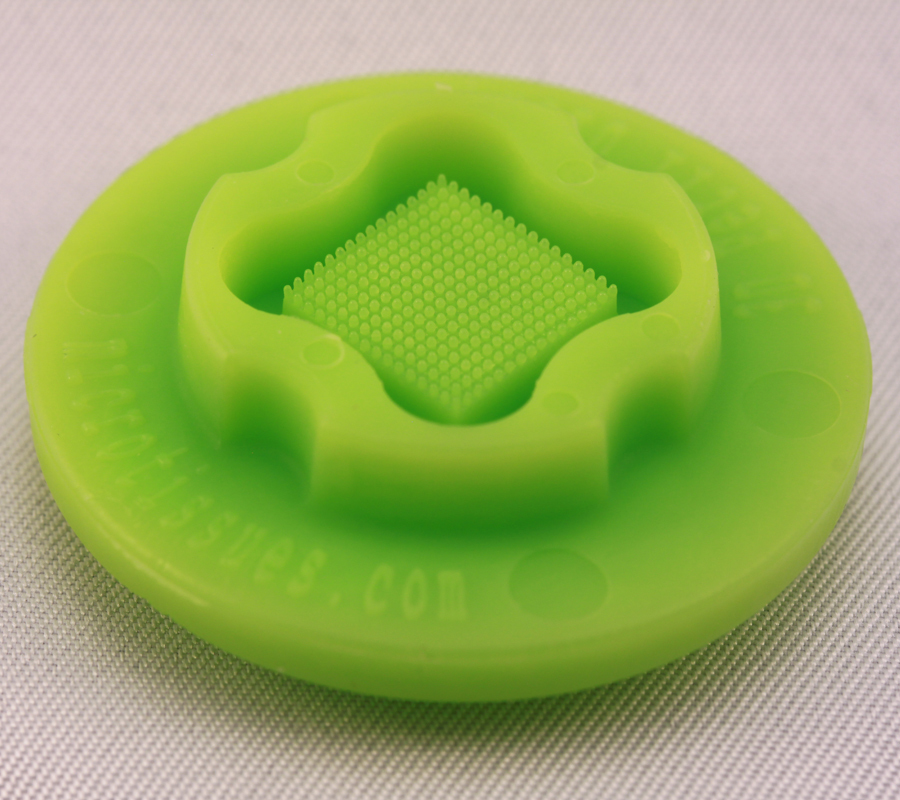
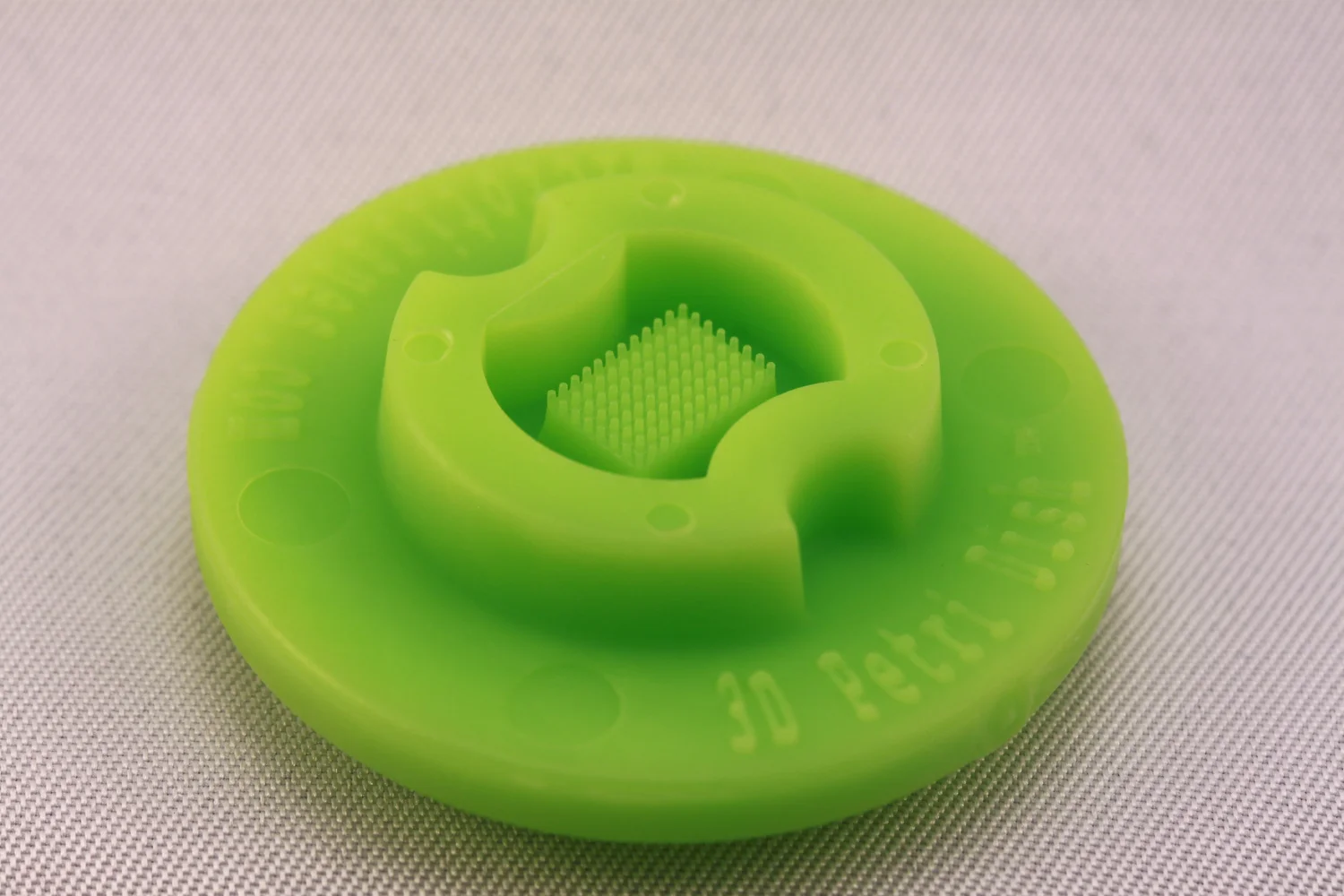
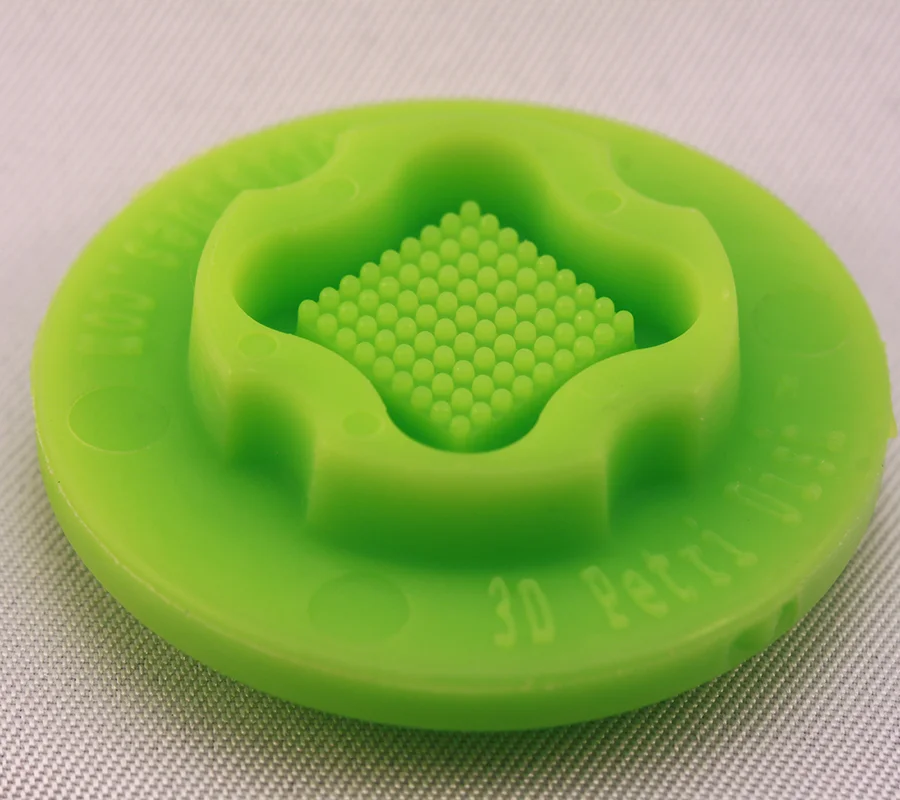
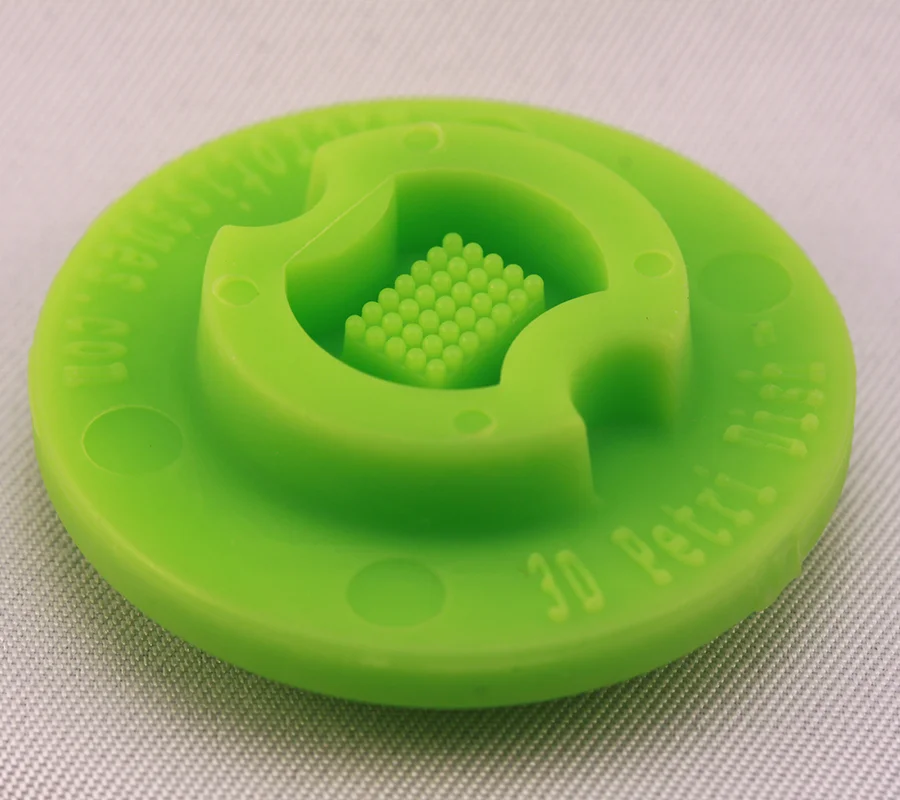
Published in Biochemistry and Biophysics Reports (2024), this peer-reviewed study used 3D Petri Dish® micro-molds to form scaffold-free 3D microtissues. Full citation: Casali, Bruna Carla, et al. Blockage of αvβ3 integrin in 3D culture of triple-negative breast cancer and endothelial cells inhibits migration and discourages endothelial-to-mesenchymal plasticity
Blockage of αvβ3 integrin in 3D culture of triple-negative breast cancer and endothelial cells inhibits migration and discourages endothelial-to-mesenchymal plasticity
Research Overview
Triple-negative breast cancer carries a poor prognosis, and the integrin αvβ3 — upregulated in hypoxic TNBC models — helps drive the angiogenesis that feeds tumor progression. The disintegrin DisBa-01, a high-affinity αvβ3 blocker, had shown anti-tumoral and anti-angiogenic effects in 2D assays.
This study moved the question into 3D, investigating DisBa-01’s effects on endothelial and triple-negative breast cancer cells in spheroid models, where integrin-mediated adhesion, migration, and endothelial sprouting play out in a tissue-like architecture — a stiffer test of integrin blockade as an anti-angiogenic strategy.
Key Discoveries
- Integrin αvβ3 blockade by DisBa-01 evaluated in 3D endothelial and TNBC models
- 3D format captured integrin-mediated adhesion and migration dynamics of angiogenesis
- Extends 2D anti-angiogenic findings toward tissue-like tumor models