Summary
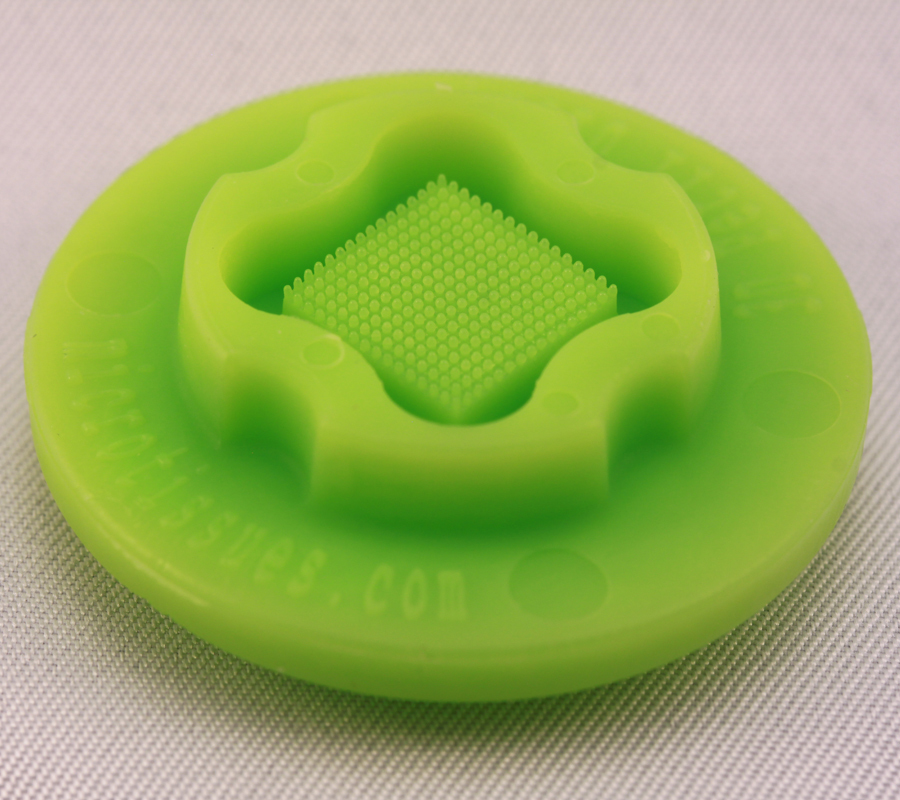
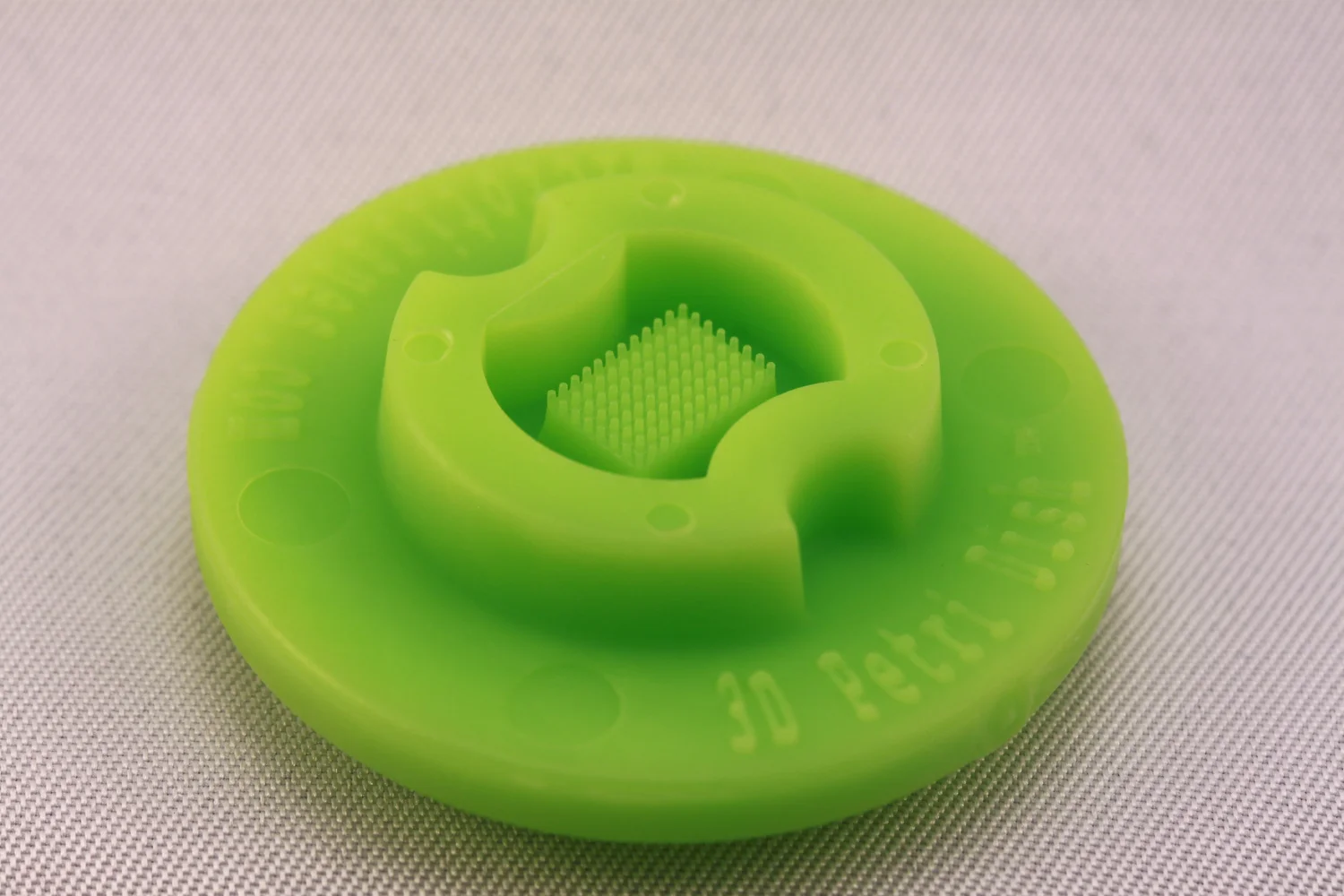
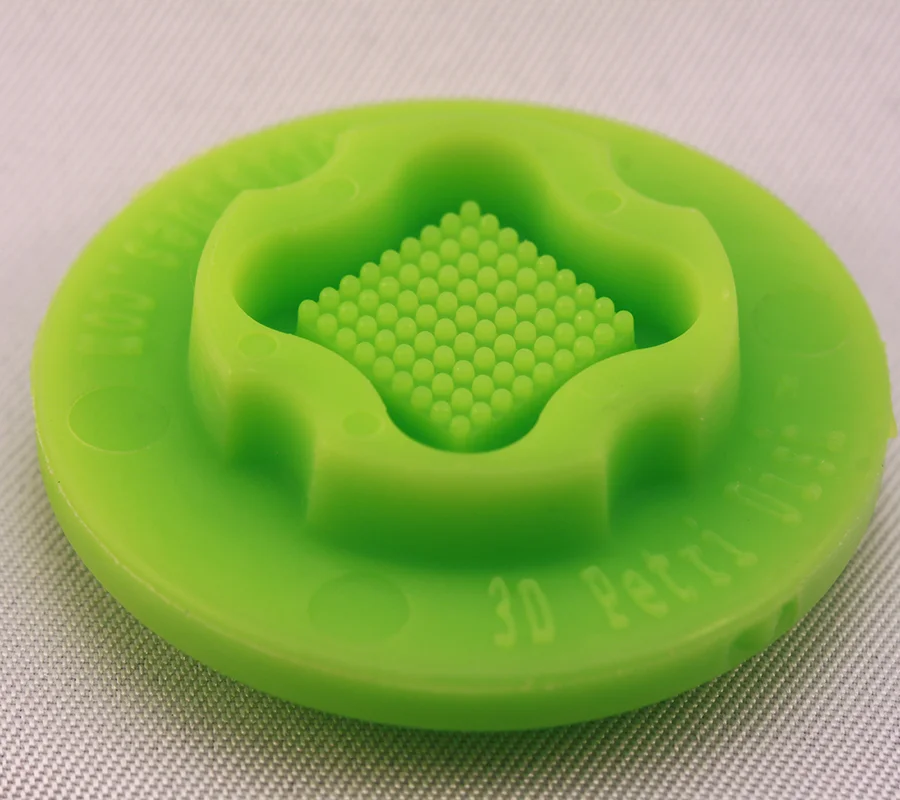
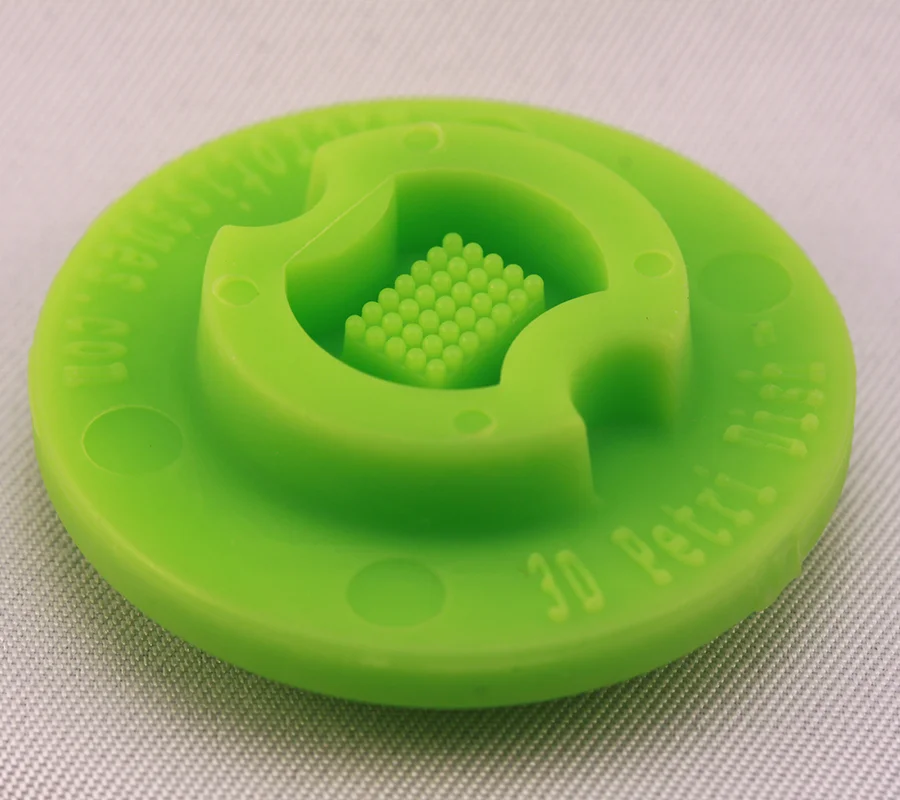
Published in Journal of Controlled Release (2015), this peer-reviewed study used 3D Petri Dish® micro-molds to form scaffold-free 3D microtissues. Full citation: Gaspar, Vítor M., et al. Bioreducible poly(2-ethyl-2-oxazoline)–PLA–PEI-SS triblock copolymer micelles for co-delivery of DNA minicircles and Doxorubicin
Bioreducible poly(2-ethyl-2-oxazoline)–PLA–PEI-SS triblock copolymer micelles for co-delivery of DNA minicircles and Doxorubicin
Research Overview
Co-delivering minicircle DNA with small anticancer drugs through stimuli-sensitive nanocarriers is promising for combination therapy, but loading both drug and DNA into one nanocarrier is remarkably difficult.
This study synthesized triblock copolymer micelles — poly(2-ethyl-2-oxazoline)-poly(L-lactide) grafted with bioreducible polyethylenimine — to co-deliver supercoiled minicircle DNA vectors and doxorubicin. The design uses non-fouling oxazolines for biological stability, the polylactide block as a hydrophobic core for drug encapsulation, and bioreducible linkages for triggered release.
Key Discoveries
- Triblock copolymer micelles co-loaded minicircle DNA and doxorubicin in one carrier
- Non-fouling oxazoline block conferred biological stability
- Bioreducible polyethylenimine grafts enabled stimulus-triggered DNA release