Summary
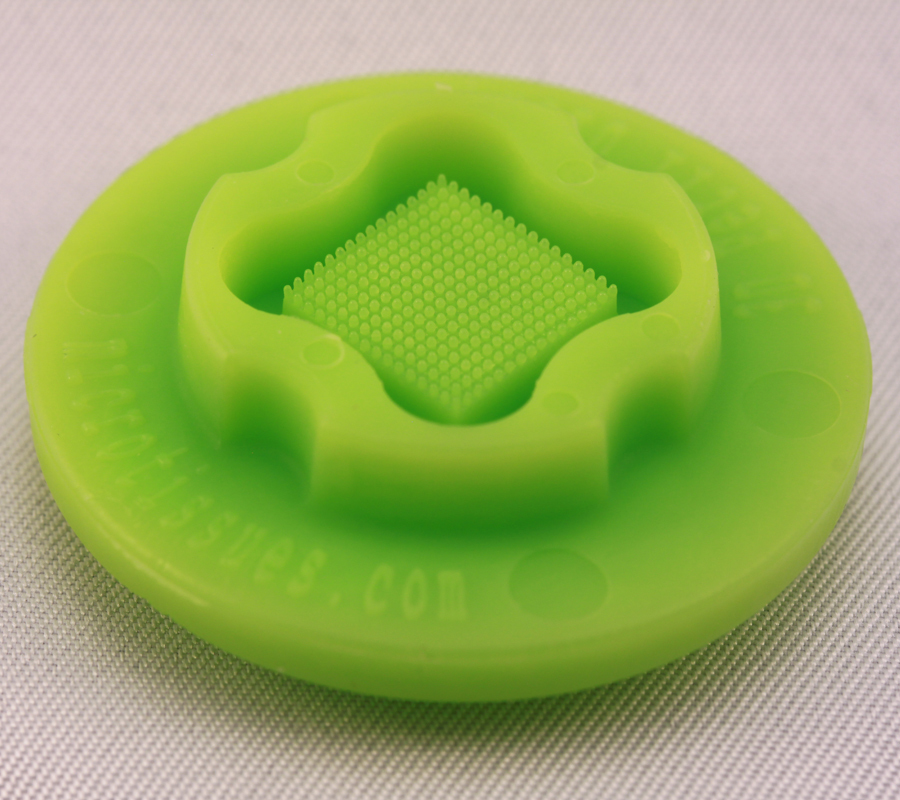
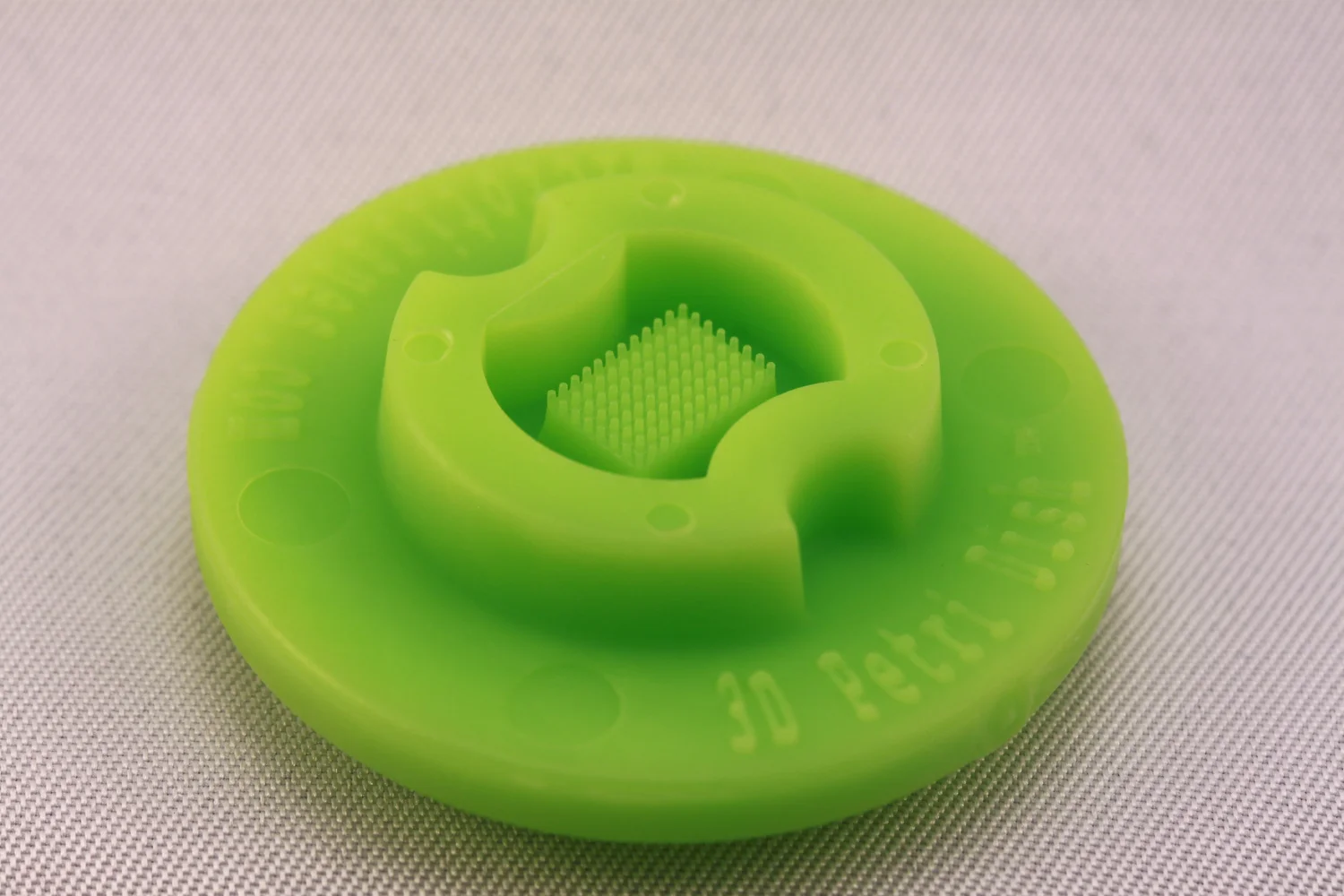
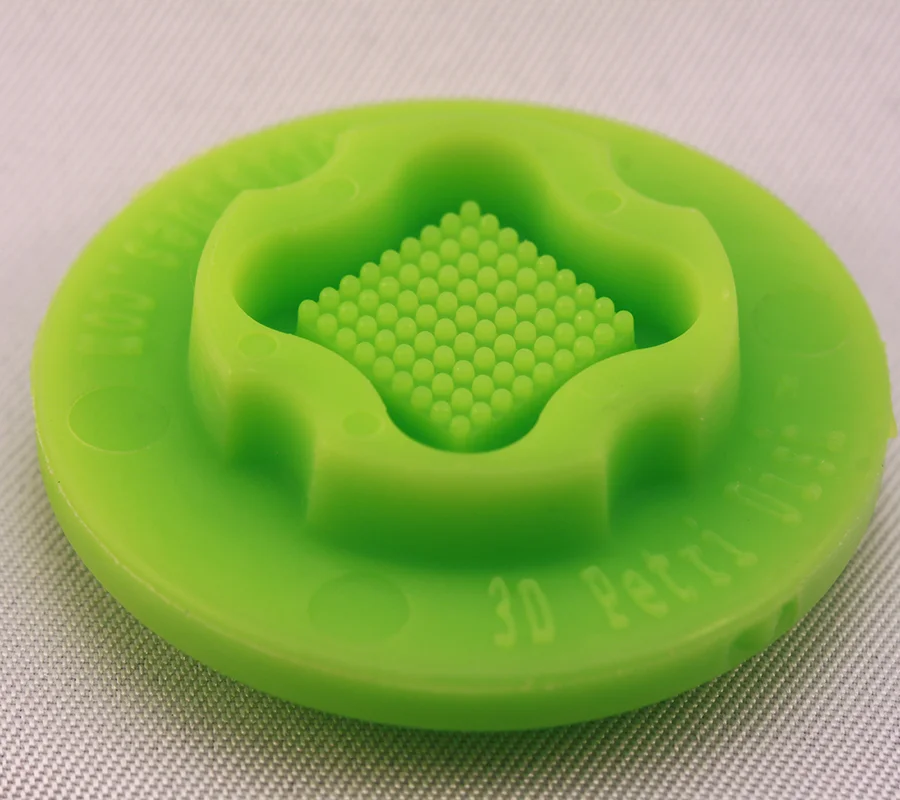
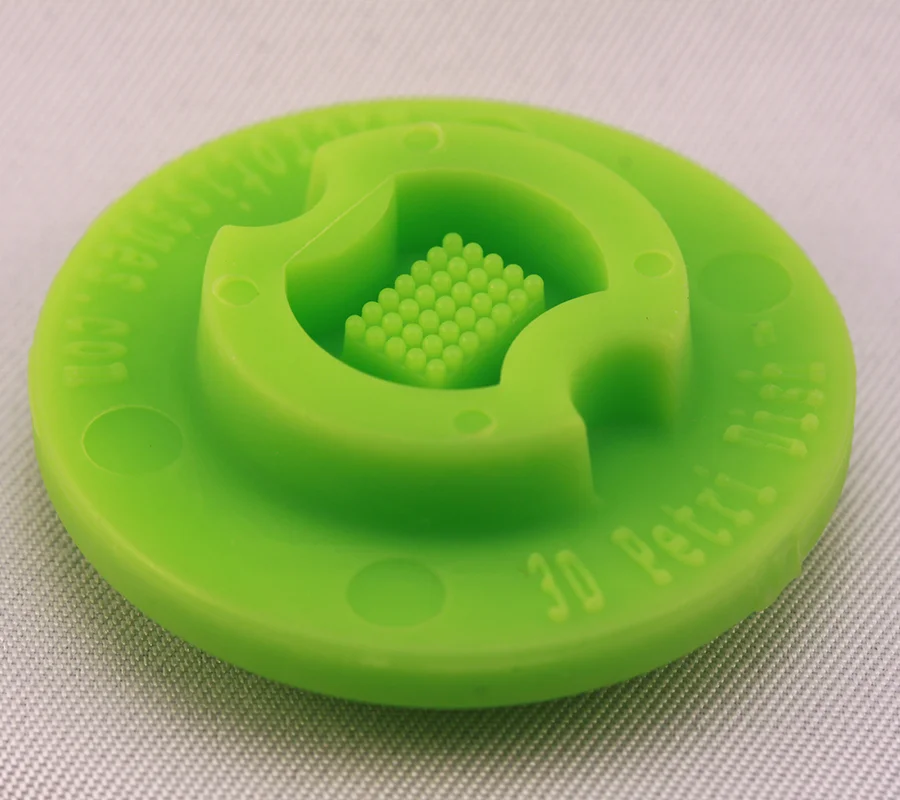
Published in Journal of Nanobiotechnology (2026), this peer-reviewed study used 3D Petri Dish® micro-molds to form scaffold-free 3D microtissues. Full citation: Bravo, Maria, et al. Beyond one-size-fits-all: cancer biology shapes nanoparticle behavior
Beyond one-size-fits-all: cancer biology shapes nanoparticle behavior
Research Overview
Nanoparticles are a promising cancer therapy that rarely reaches the clinic, and this study argues the pipeline is looking in the wrong place — optimizing particle physics while ignoring how tumor biology governs particle behavior. Polyethyleneimine-functionalized, silica-coated gold nanoparticles were tested in 3D spheroids from four cancer models representing lung, colon, breast, and cervical cancer.
Accumulation and penetration differed sharply between models, with an inverse relationship: spheroids that internalized particles more slowly allowed deeper diffusion. Proteomics traced the variability to tumor-specific expression of endocytic and extracellular-matrix proteins — evidence that nanoparticle design should account for the target tumor’s biology rather than assume one formulation fits all.
Key Discoveries
- Au@mSi-PEI nanoparticles showed distinct uptake and penetration across lung, colon, breast, and cervical spheroid models
- Inverse relationship: slower internalization allowed deeper diffusion into the spheroid
- Tumor-specific endocytic and ECM protein expression explained the variability