Summary
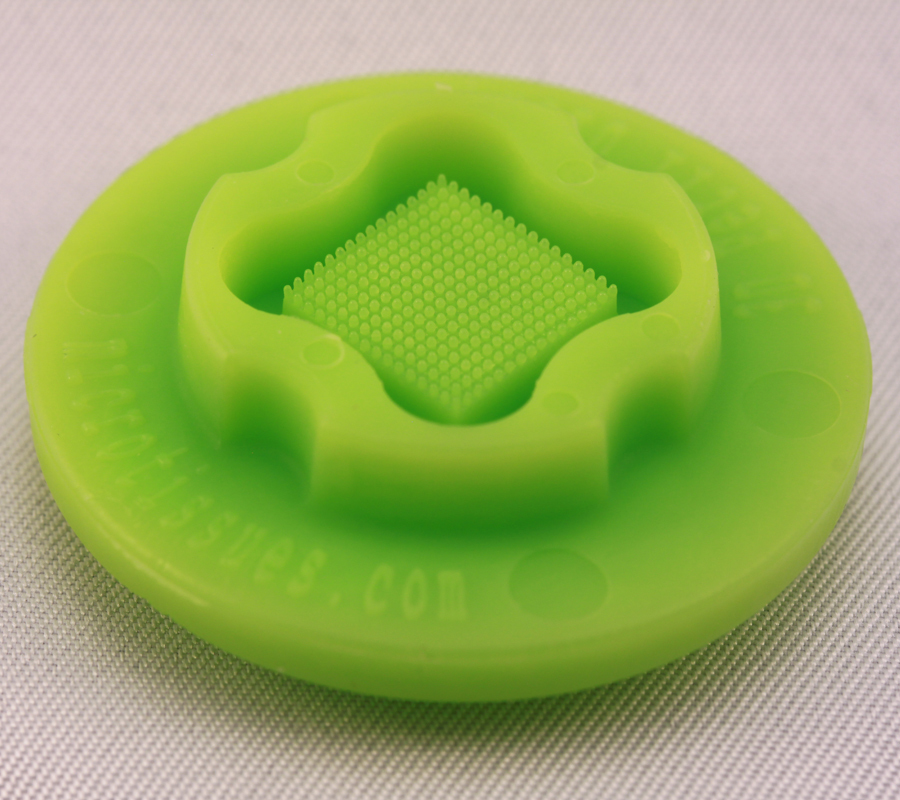
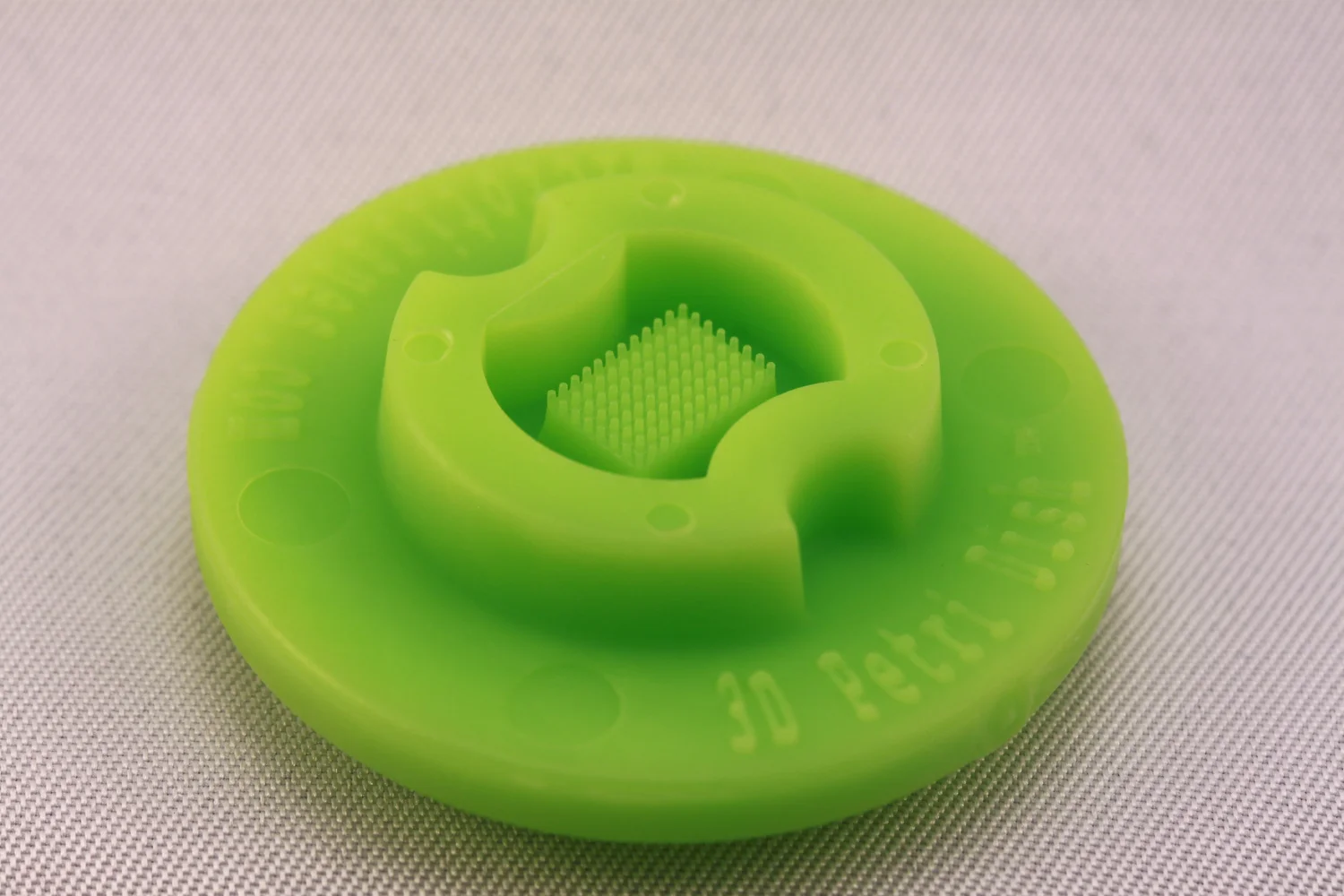
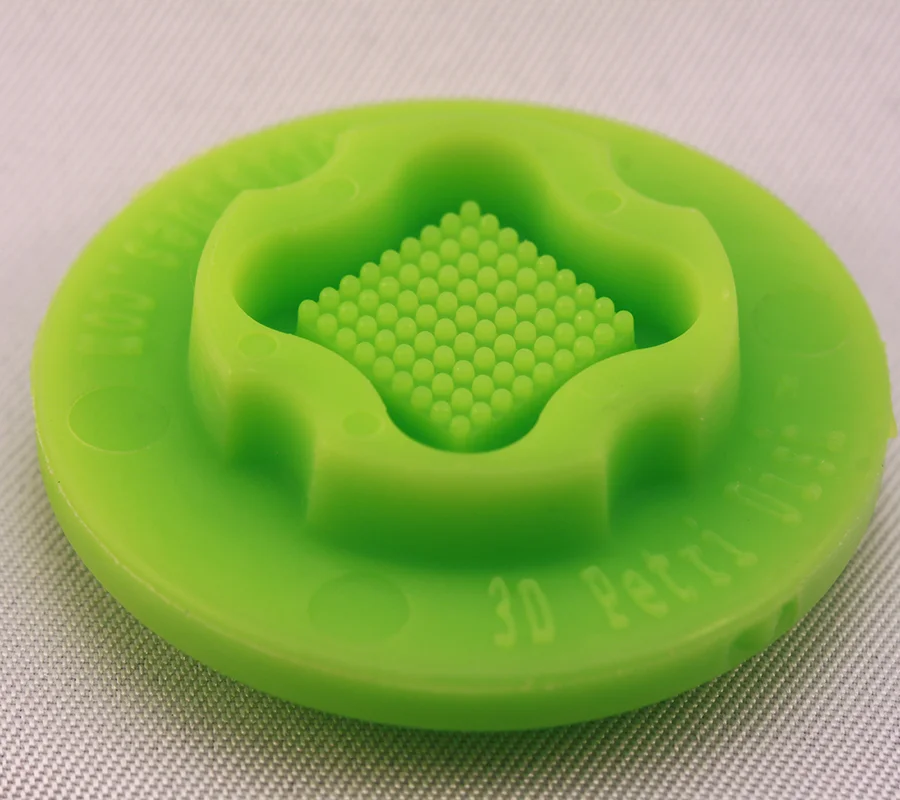
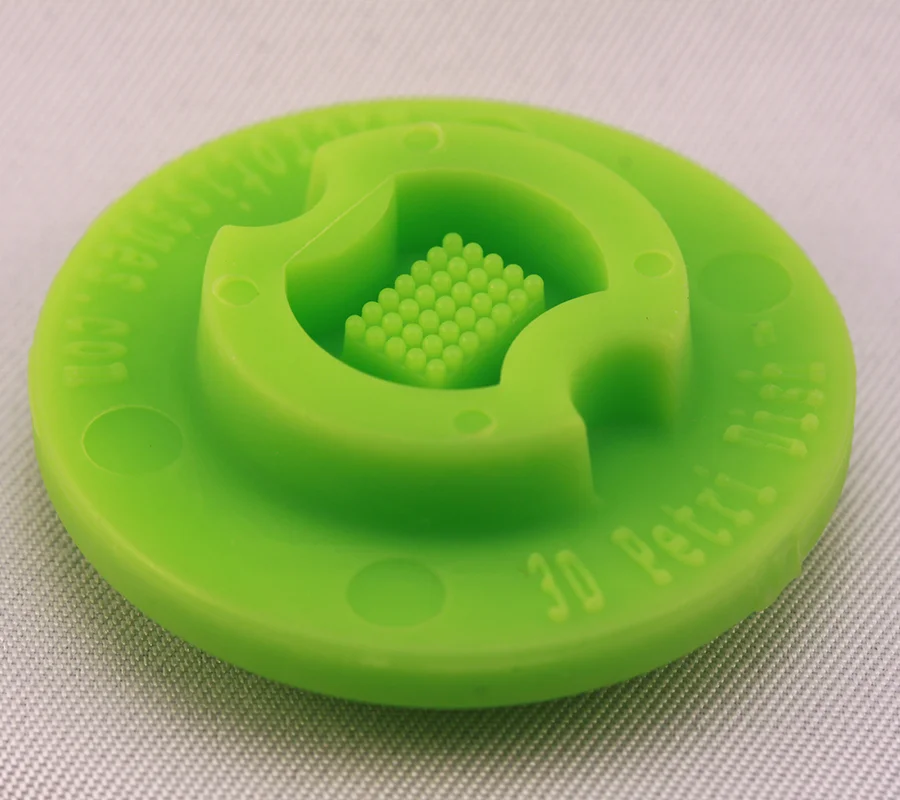
Published in Cancer Microenvironment (2015), this peer-reviewed study used 3D Petri Dish® micro-molds to form scaffold-free 3D microtissues. Full citation: Curran, Sean, et al. Architecture of Chimeric Spheroids Controls Drug Transport
Architecture of Chimeric Spheroids Controls Drug Transport
Research Overview
Upregulated drug efflux pumps cause multi-drug resistance, but far less is known about how the architecture of the tumor microenvironment matters — specifically, how the physical location of pump-expressing cells changes drug exposure for neighboring cells.
This study built 3D spheroids mixing cells expressing high and low levels of ABCG2, quantifying pump activity by their ability to reject the fluorescent dye Hoechst 33342. Three distinct architectures emerged, including high-expressing cells forming a spheroid core surrounded by low-expressing cells — showing that where resistant cells sit determines how much drug the rest of the tumor sees.
Key Discoveries
- Chimeric spheroids mixed high- and low-ABCG2-expressing cells to test architectural effects
- Three distinct spatial architectures emerged, including resistant-core organization
- Cell position, not just pump expression, shaped drug exposure across the spheroid