Summary
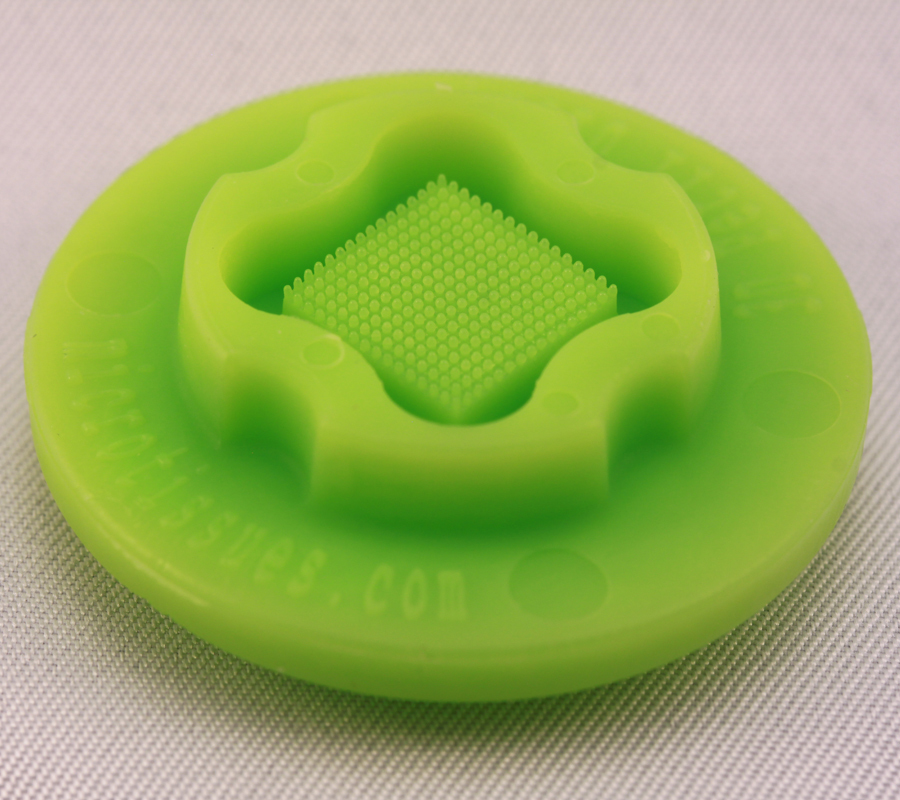
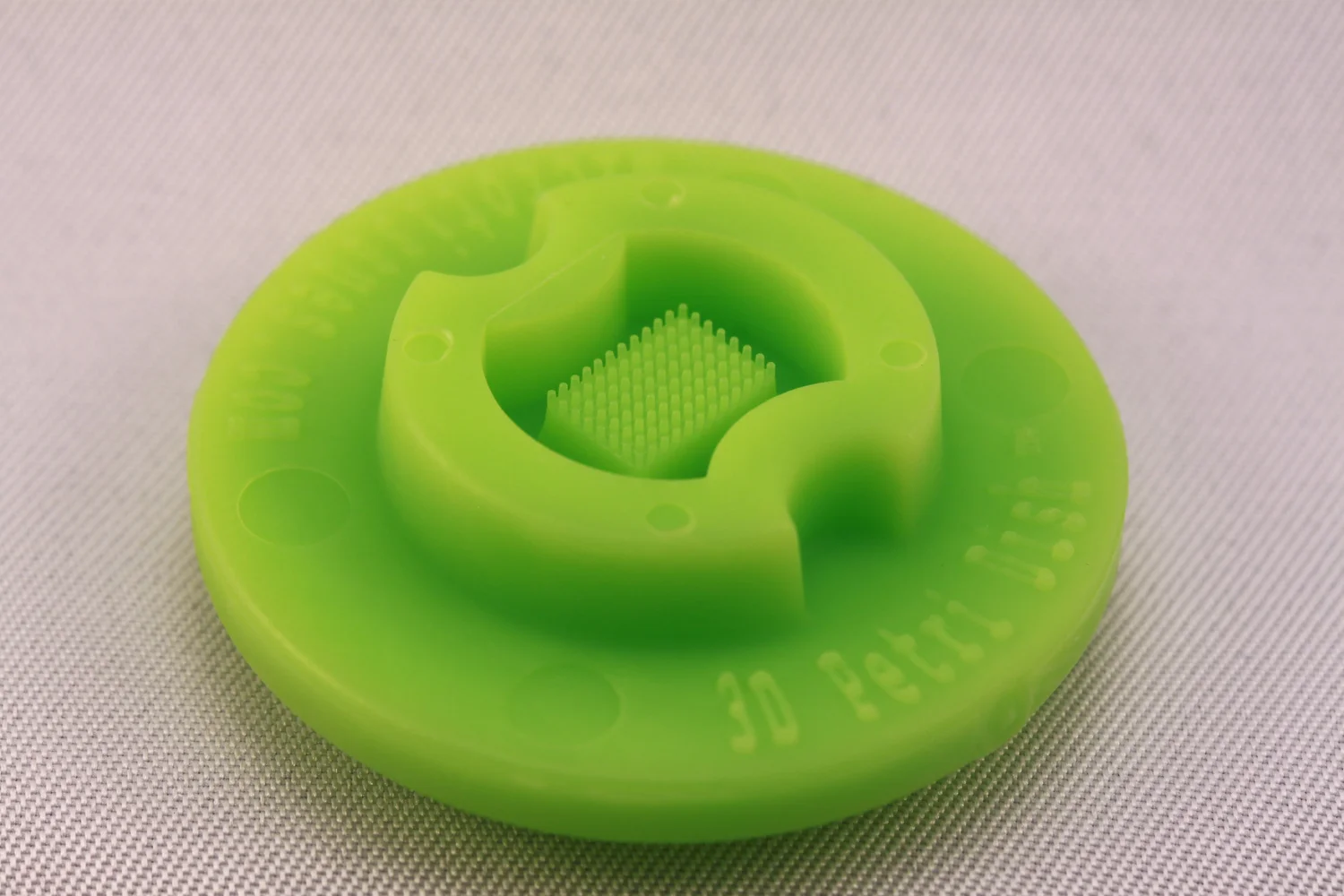
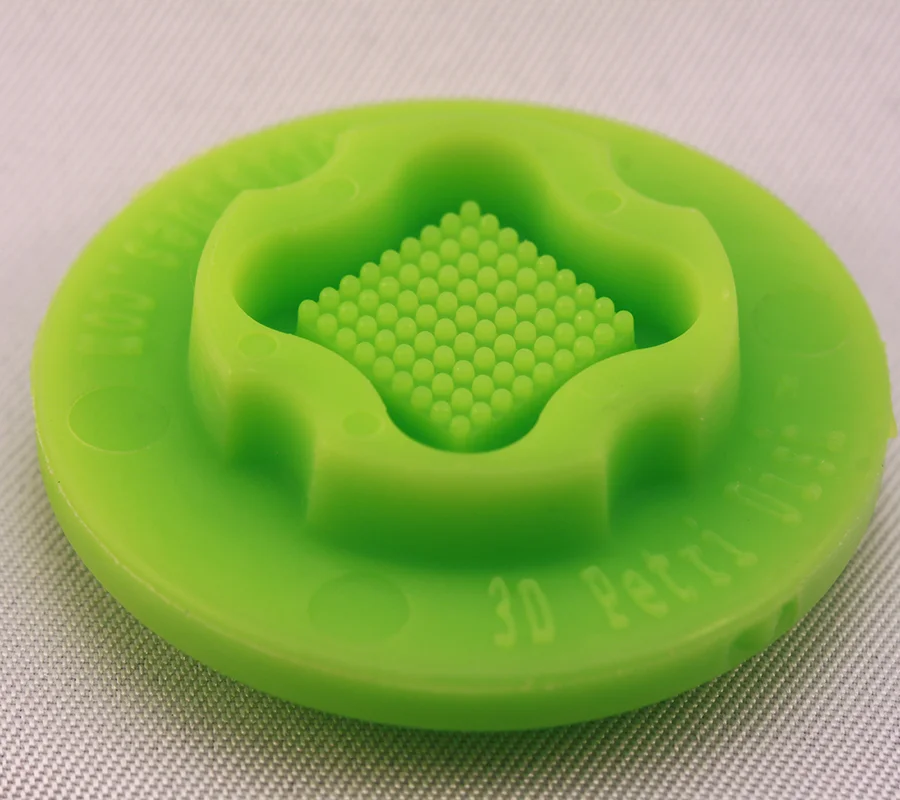
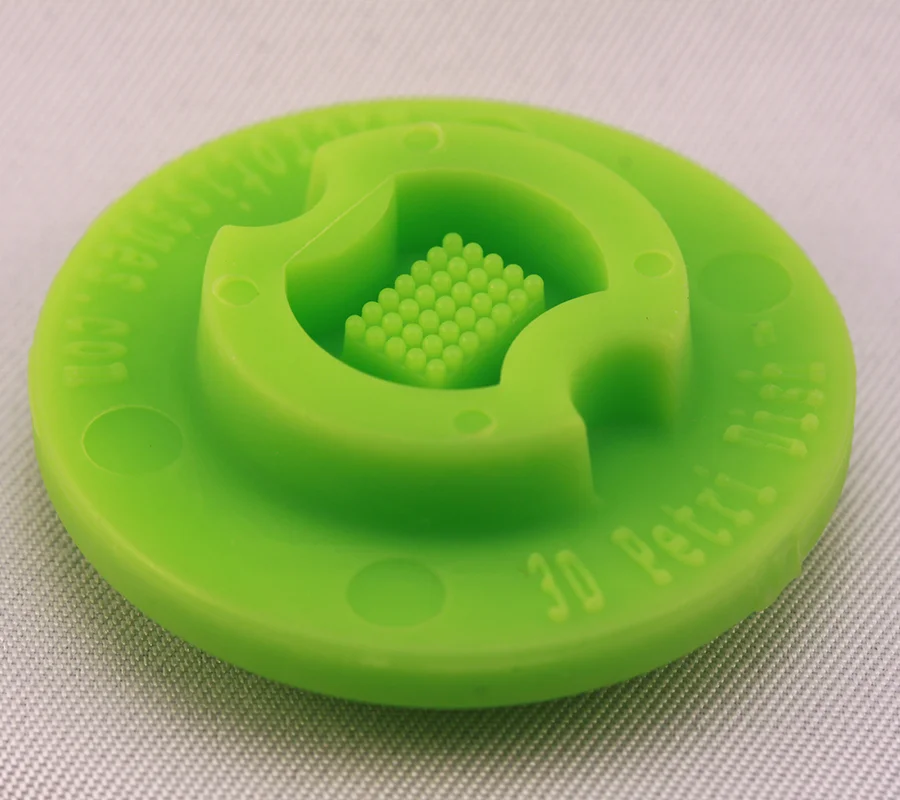
Published in International Journal of Molecular Sciences (2020), this peer-reviewed study used 3D Petri Dish® micro-molds to form scaffold-free 3D microtissues. Full citation: Balmaña, Meritxell, et al. Analysis of the Effect of Increased α2,3-Sialylation on RTK Activation in MKN45 Gastric Cancer Spheroids Treated with Crizotinib
Analysis of the Effect of Increased α2,3-Sialylation on RTK Activation in MKN45 Gastric Cancer Spheroids Treated with Crizotinib
Research Overview
The receptor tyrosine kinases MET and RON are frequently overactivated in gastric cancer, and their activation is modulated by cell-surface glycosylation. This study examined how sialylation affects targeted therapy, using glycoengineered gastric cancer cell models overexpressing the sialyltransferases ST3GAL4 or ST3GAL6, grown as 3D spheroids in a high-throughput format designed to better mimic in vivo tumor features.
Spheroids of the sialyltransferase-overexpressing models were treated with the tyrosine kinase inhibitor crizotinib, revealing how increased sialylation shifts the response to RTK-targeted treatment — evidence that tumor glycosylation state matters for the efficacy of targeted therapy.
Key Discoveries
- Glycoengineered 3D gastric cancer spheroids overexpressed sialyltransferases ST3GAL4/ST3GAL6
- Sialylation state altered response to the tyrosine kinase inhibitor crizotinib
- High-throughput 3D methodology brought tumor-like glycobiology into targeted-therapy screening