Summary
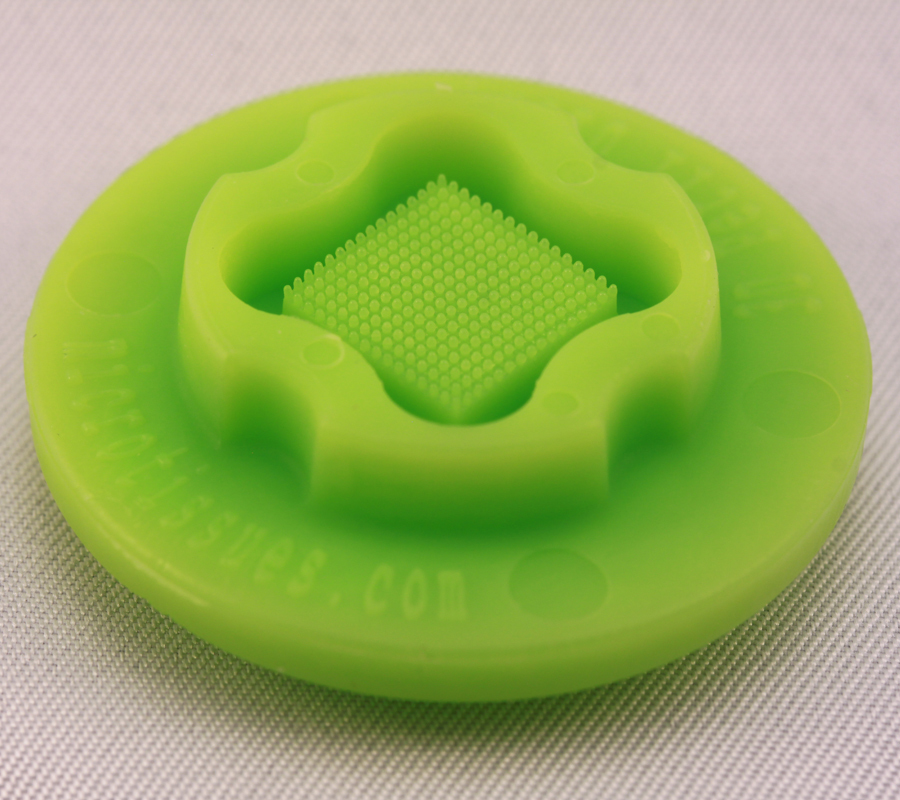
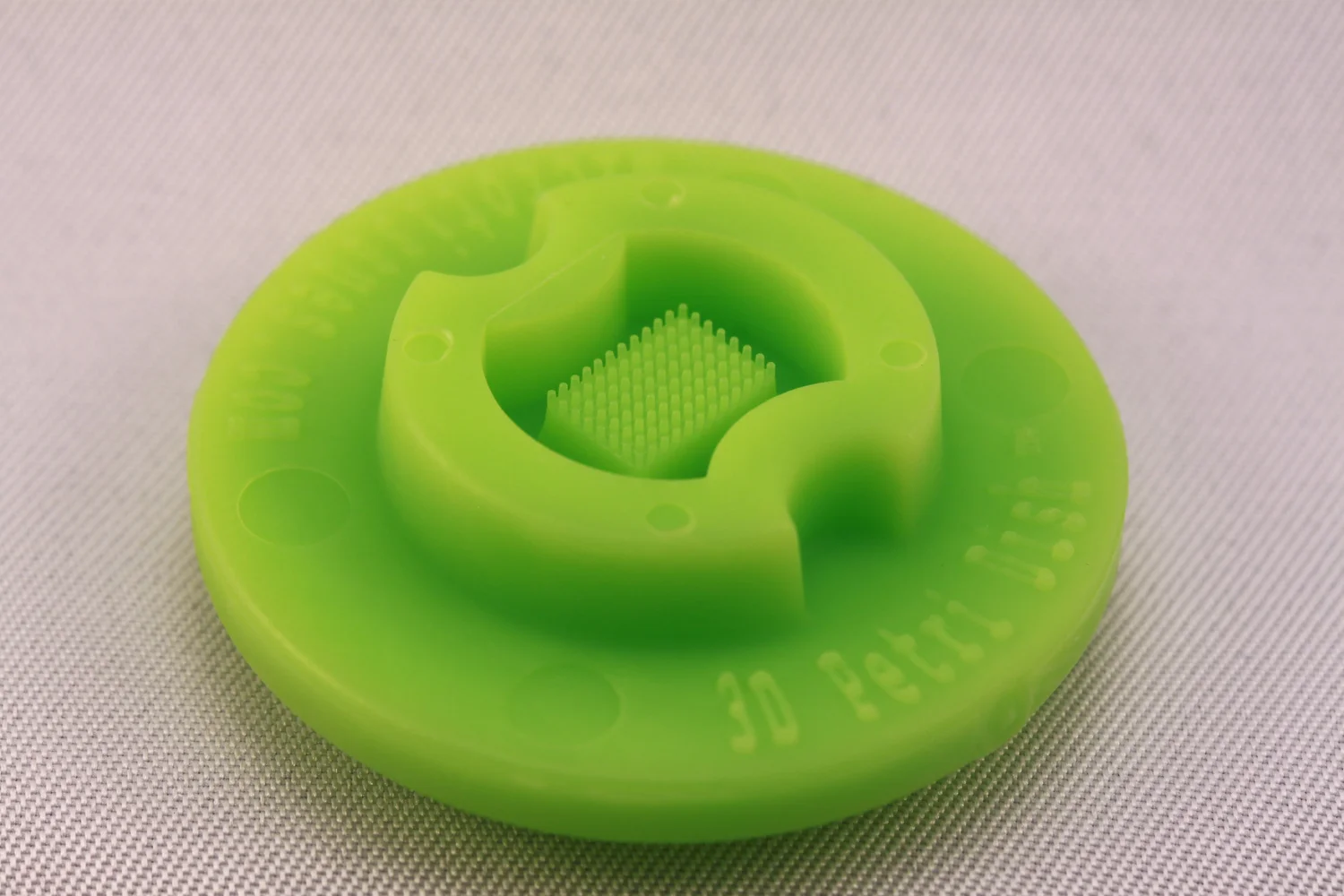
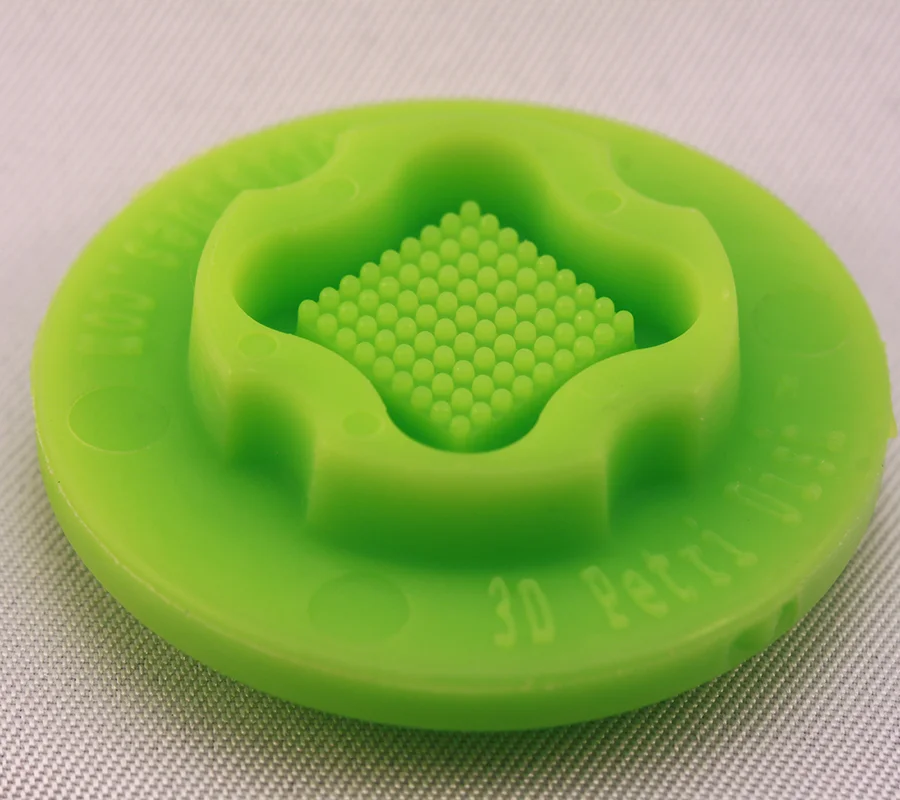
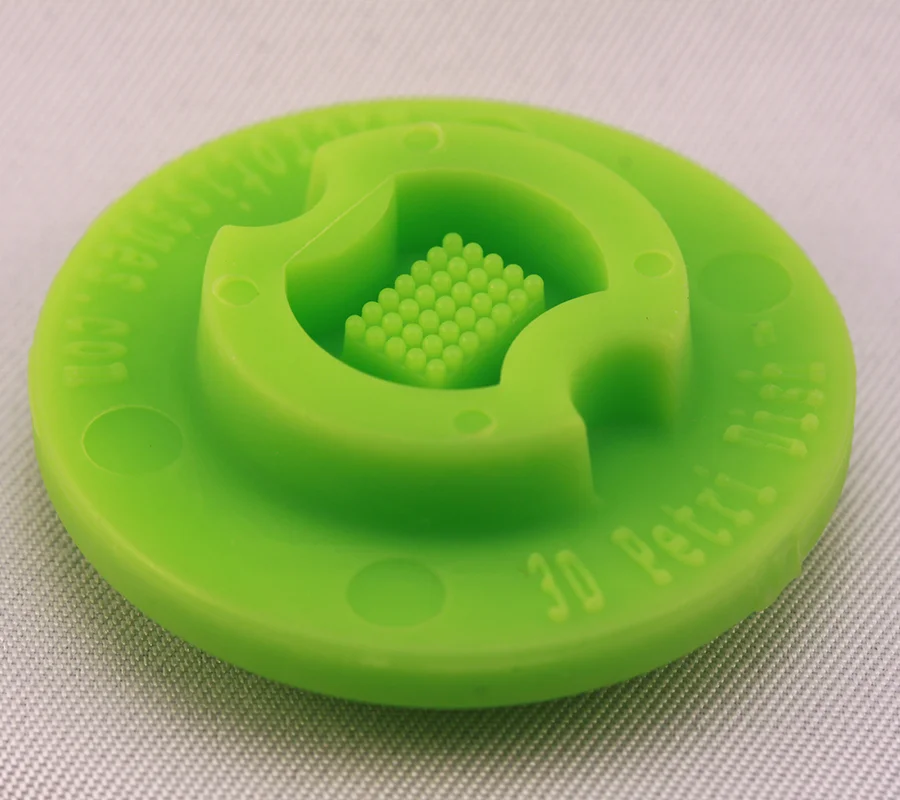
Published in Cancers (2023), this peer-reviewed study used 3D Petri Dish® micro-molds to form scaffold-free 3D microtissues. Full citation: Mueggler, Amanda, et al. An Optimized Method to Culture Human Primary Lung Tumor Cell Spheroids
An Optimized Method to Culture Human Primary Lung Tumor Cell Spheroids
Research Overview
Lung cancer is the leading cause of cancer death, with five-year survival under 20%. Molecular profiling guides therapy selection but cannot predict an individual patient’s response or long-term benefit, leaving a need for functional tests.
The authors developed patient-derived spheroids from surgically resected tumor and adjacent normal lung tissue using a two-step culture procedure, so both tissues could be biomimicked for in vitro drug-response testing. Flow cytometry and immunostaining characterized the cell populations, spheroid phenotype, proliferation, and apoptosis were assessed, and gene expression was compared between tumor and adjacent normal spheroids.
Key Discoveries
- Two-step culture generated patient-derived spheroids from both lung tumor and adjacent normal tissue
- Cell populations characterized by flow cytometry and immunostaining
- Enables personalized in vitro drug-response testing with matched normal-tissue controls