Summary
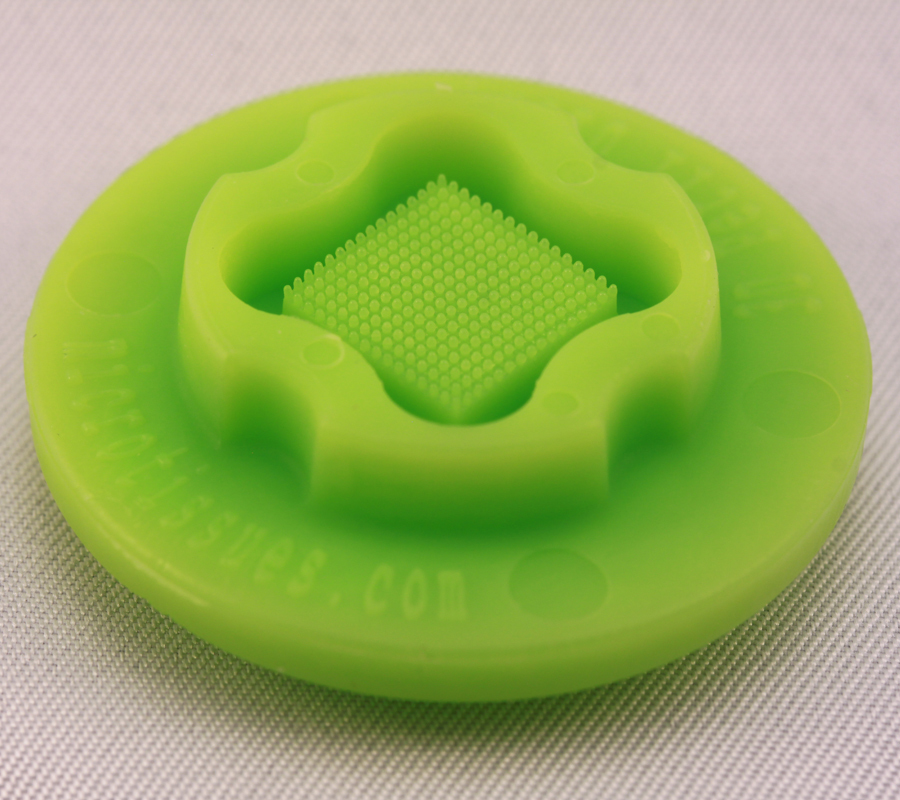
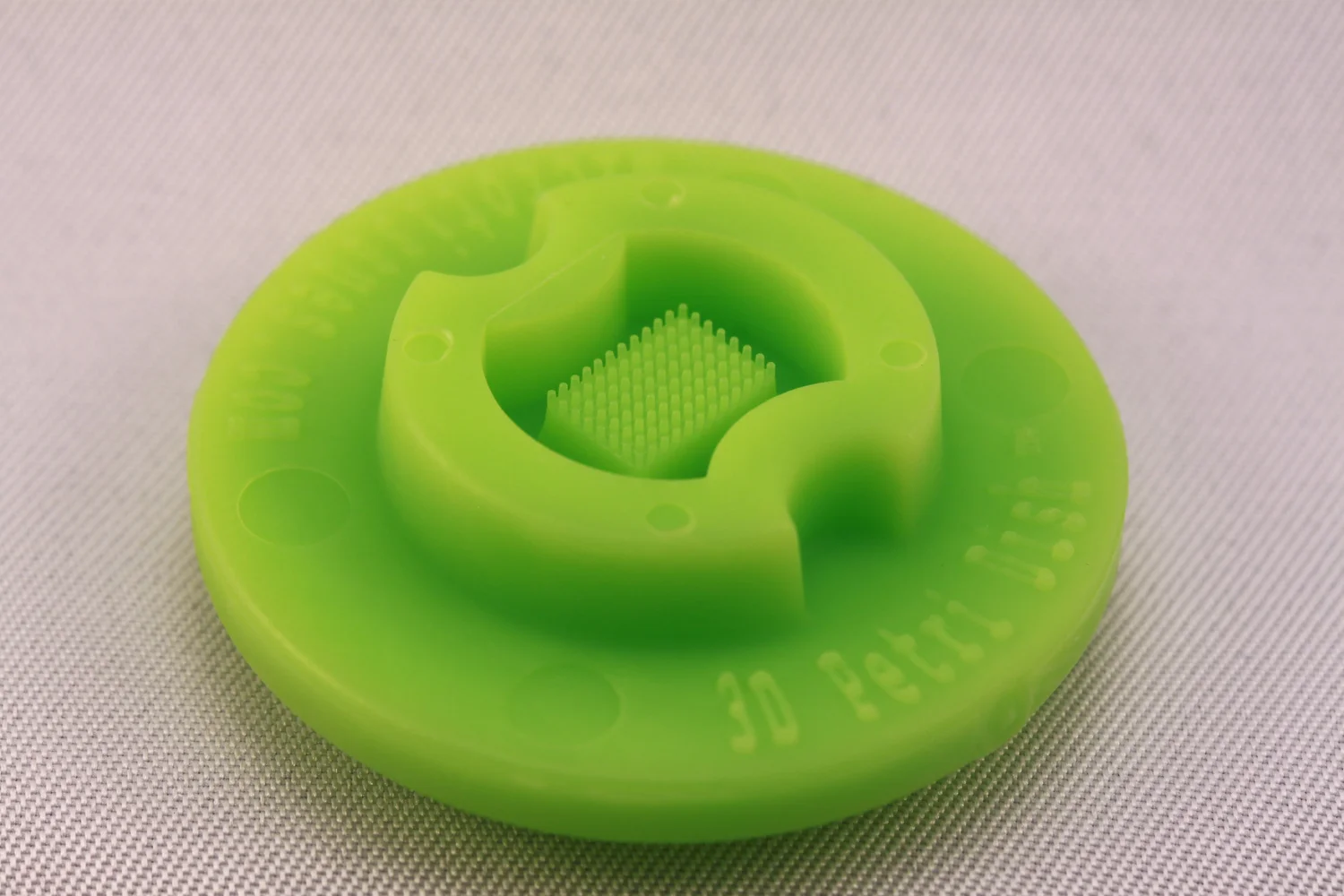
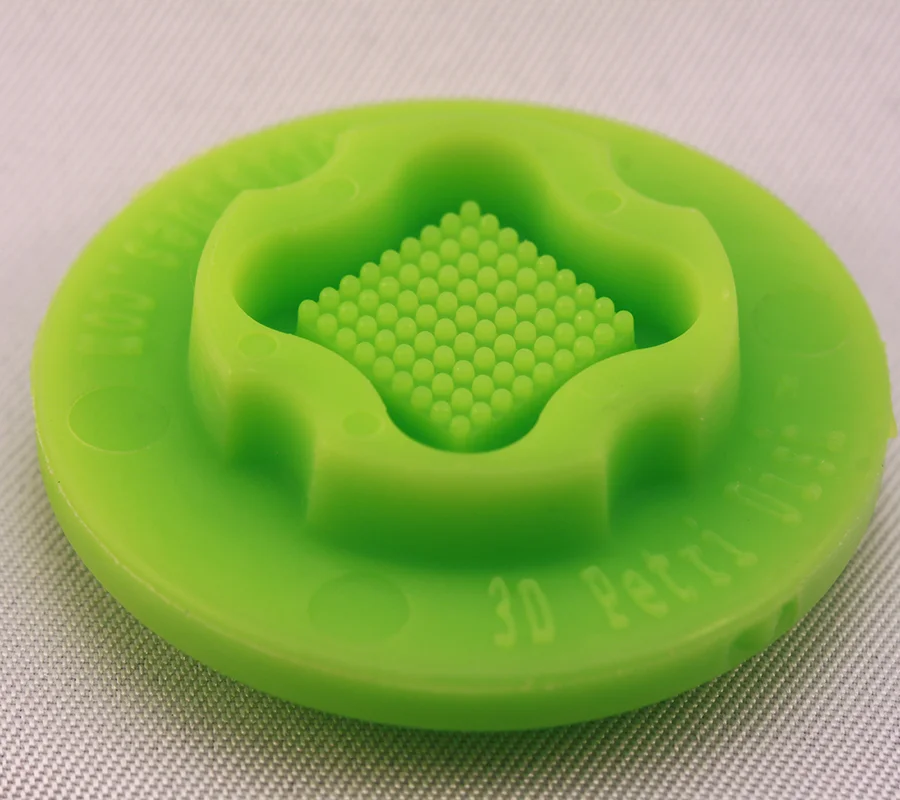
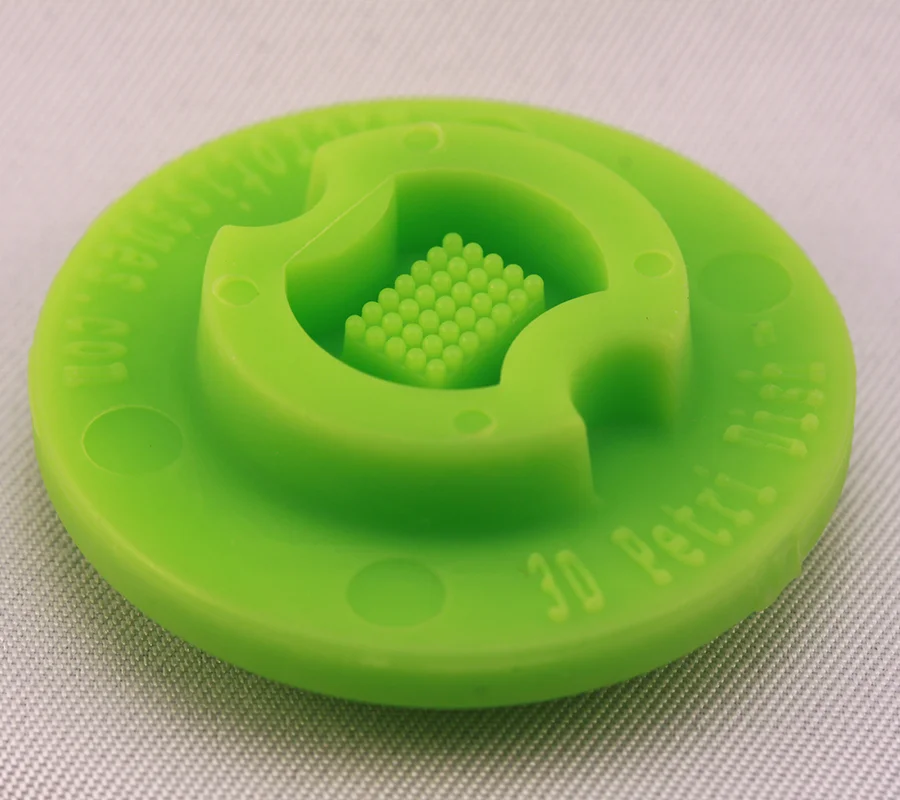
Published in BioChip Journal (2024), this peer-reviewed study used 3D Petri Dish® micro-molds to form scaffold-free 3D microtissues. Full citation: Panuška, Petr, et al. Advanced Microfluidic Platform for Tumor Spheroid Formation and Cultivation Fabricated from OSTE+ Polymer
Advanced Microfluidic Platform for Tumor Spheroid Formation and Cultivation Fabricated from OSTE+ Polymer
Research Overview
Tumor spheroids are increasingly the preferred format for drug screening because they reproduce in vivo drug-resistance behavior, but forming uniform spheroids and handling them precisely remains hard. This study introduced a droplet-microfluidic chip that carries the entire workflow: spheroids form from cell suspensions inside individual droplets, the droplets then merge into a continuous aqueous phase, and the spheroids transfer to an on-chip cultivation area with trapping elements for extended perfusion culture.
By integrating formation, release, and long-term cultivation on one chip, the platform addresses the consistency and manipulation challenges that limit spheroid-based screening.
Key Discoveries
- Single chip integrates spheroid formation in droplets, droplet merging, and perfusion cultivation
- Trapping elements hold spheroids for extended on-chip culture
- Targets uniformity and handling — the key bottlenecks in spheroid drug screening