Summary
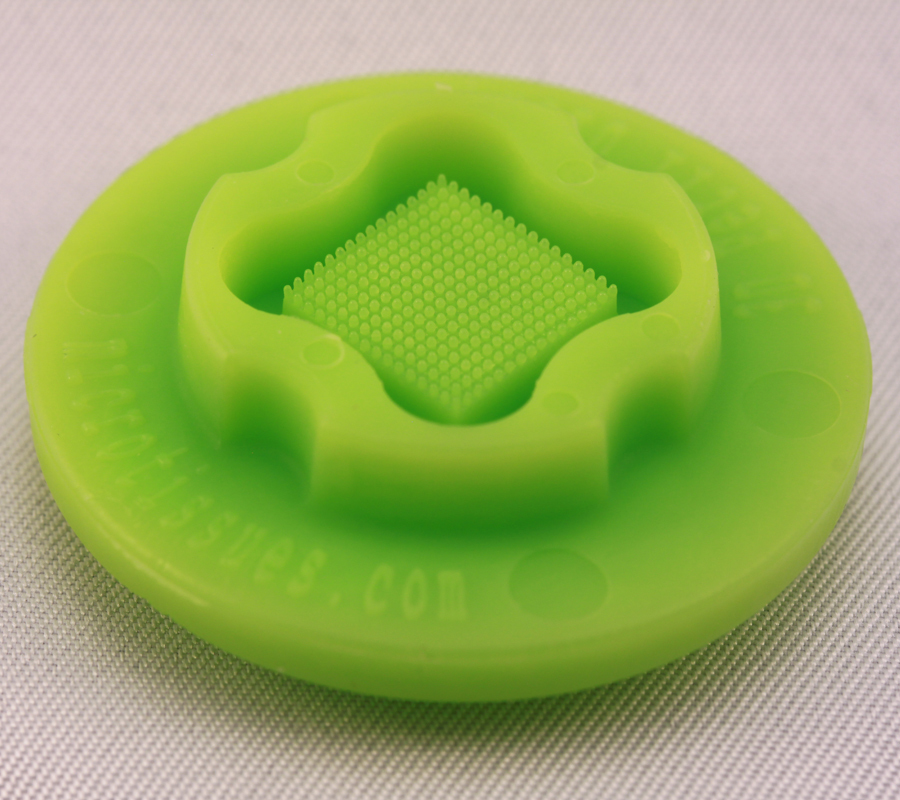
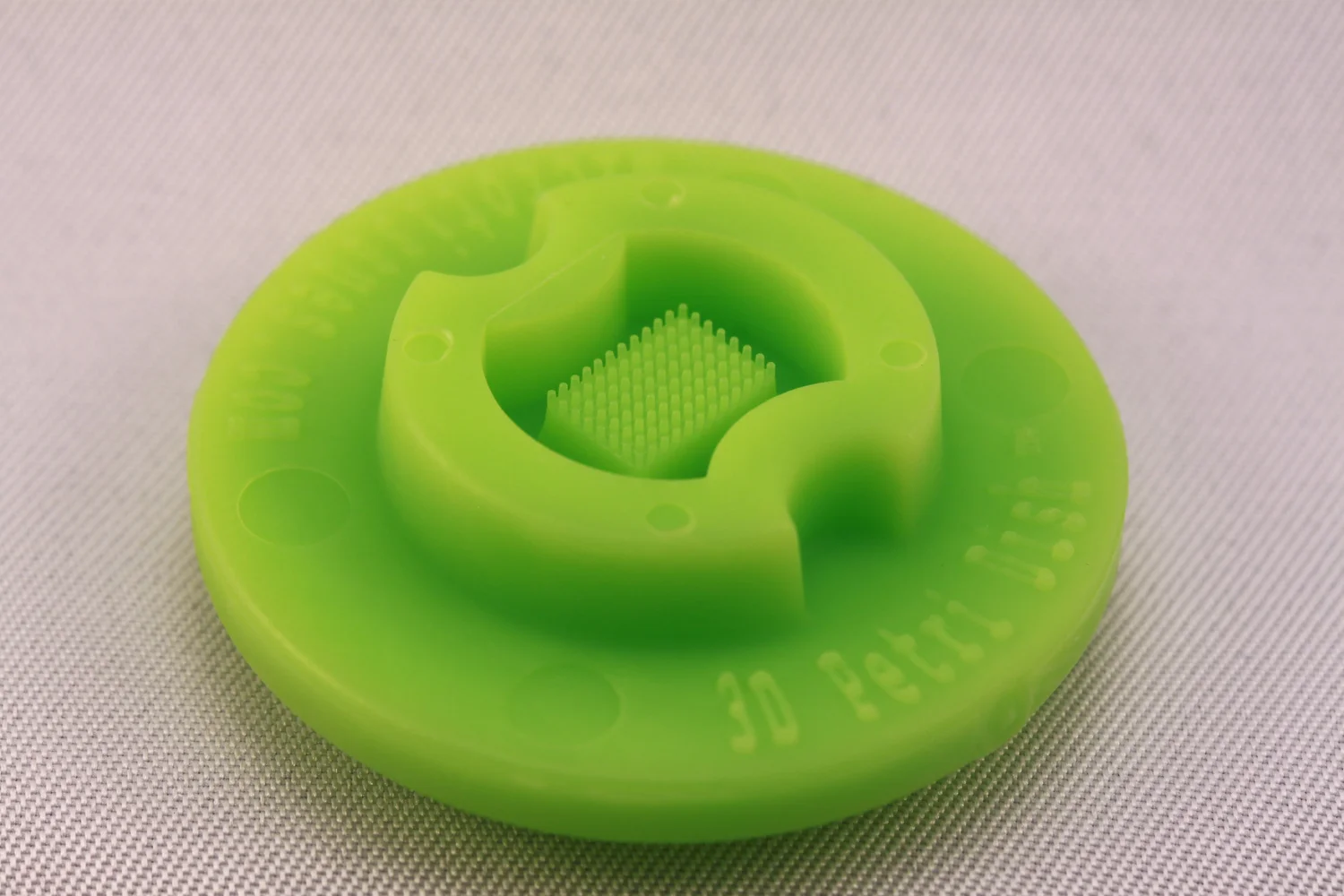
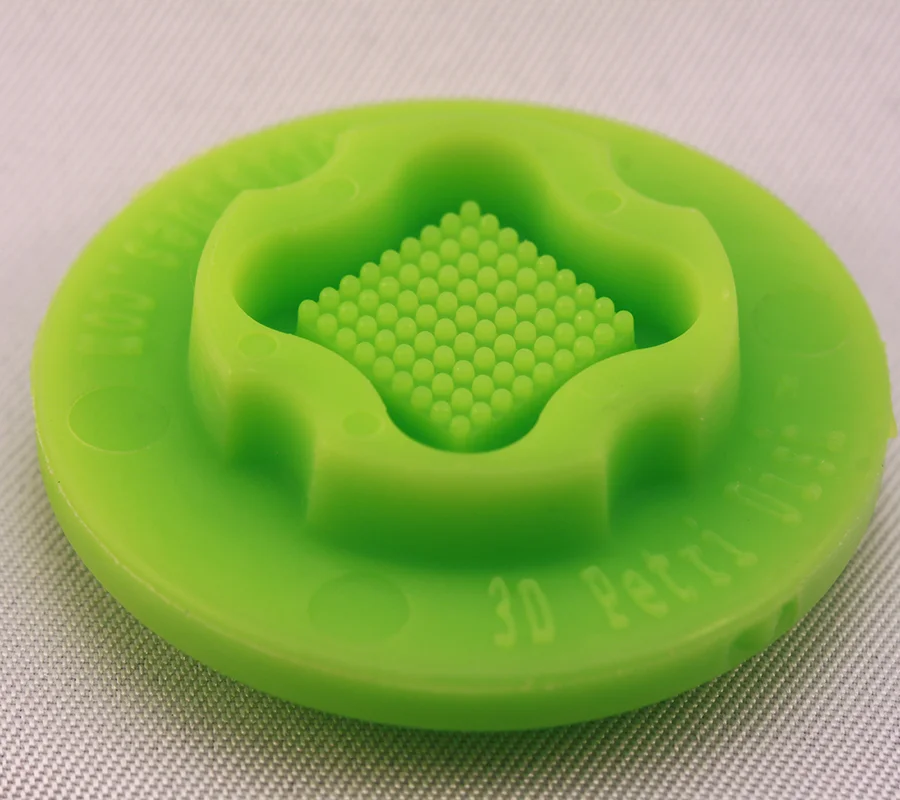
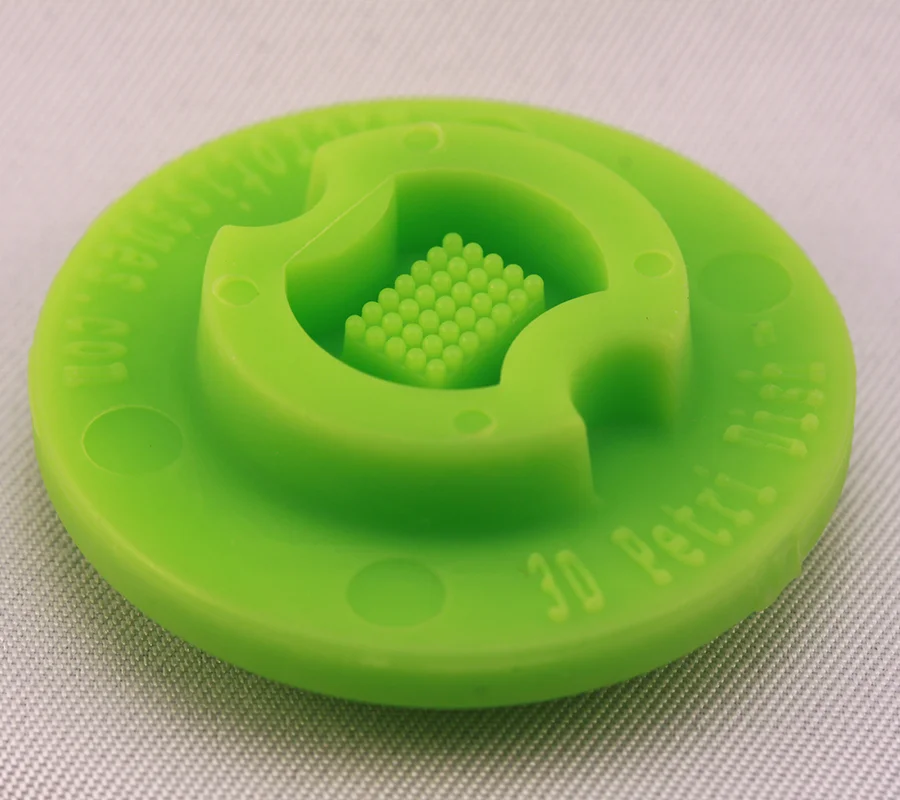
Published in Scientific Reports (2026), this peer-reviewed study used 3D Petri Dish® micro-molds to form scaffold-free 3D microtissues. Full citation: Vaskevych, Alla, et al. Access to β-acetoxyselenides, perhydroindolones and anticancer piperidinones via blue LED-driven selenylation of unsaturated carboxamides
Access to β-acetoxyselenides, perhydroindolones and anticancer piperidinones via blue LED-driven selenylation of unsaturated carboxamides
Research Overview
This chemistry study used blue-LED-initiated selenylation of unsaturated acid amides with diorganyl diselenides in acetic or formic acid, and found the reaction takes one of two routes depending on the N-substituent and solvent: a three-component conjugate addition across the C=C bond, or selenocyclization. Cyclization proceeded either through oxygen (exo-trig, giving iminolactones and lactones) or through nitrogen (5-exo-trig or 6-endo-trig, giving selenyl-functionalized perhydroindolones and piperidinones).
Among the products, piperidinone derivative 12ea was the most potent antiproliferative agent against HeLa cervical carcinoma and HCT-116 colorectal carcinoma cells, with micromolar IC50 values. Mechanistic work showed it induces apoptosis, confirmed by caspase-3/7 activation and Annexin V/propidium iodide staining.
Key Discoveries
- Blue-LED selenylation branches into conjugate addition or selenocyclization depending on N-substituent and solvent
- Piperidinone 12ea showed micromolar IC50 against HeLa and HCT-116 cells
- Apoptosis induction confirmed by caspase-3/7 activation and Annexin V/PI staining