Summary
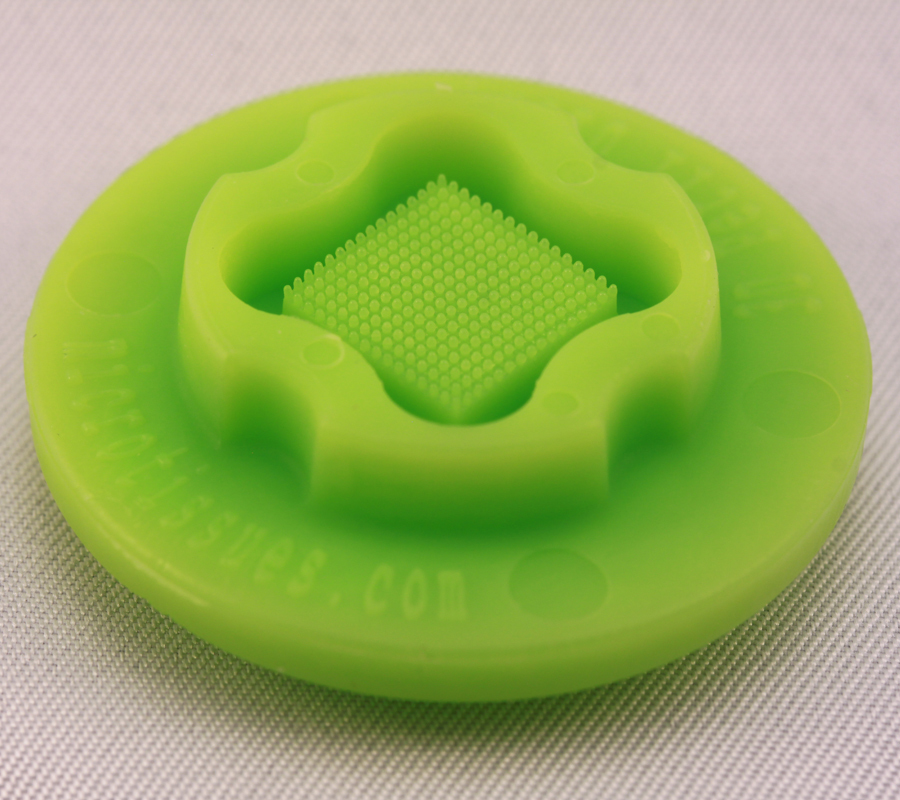
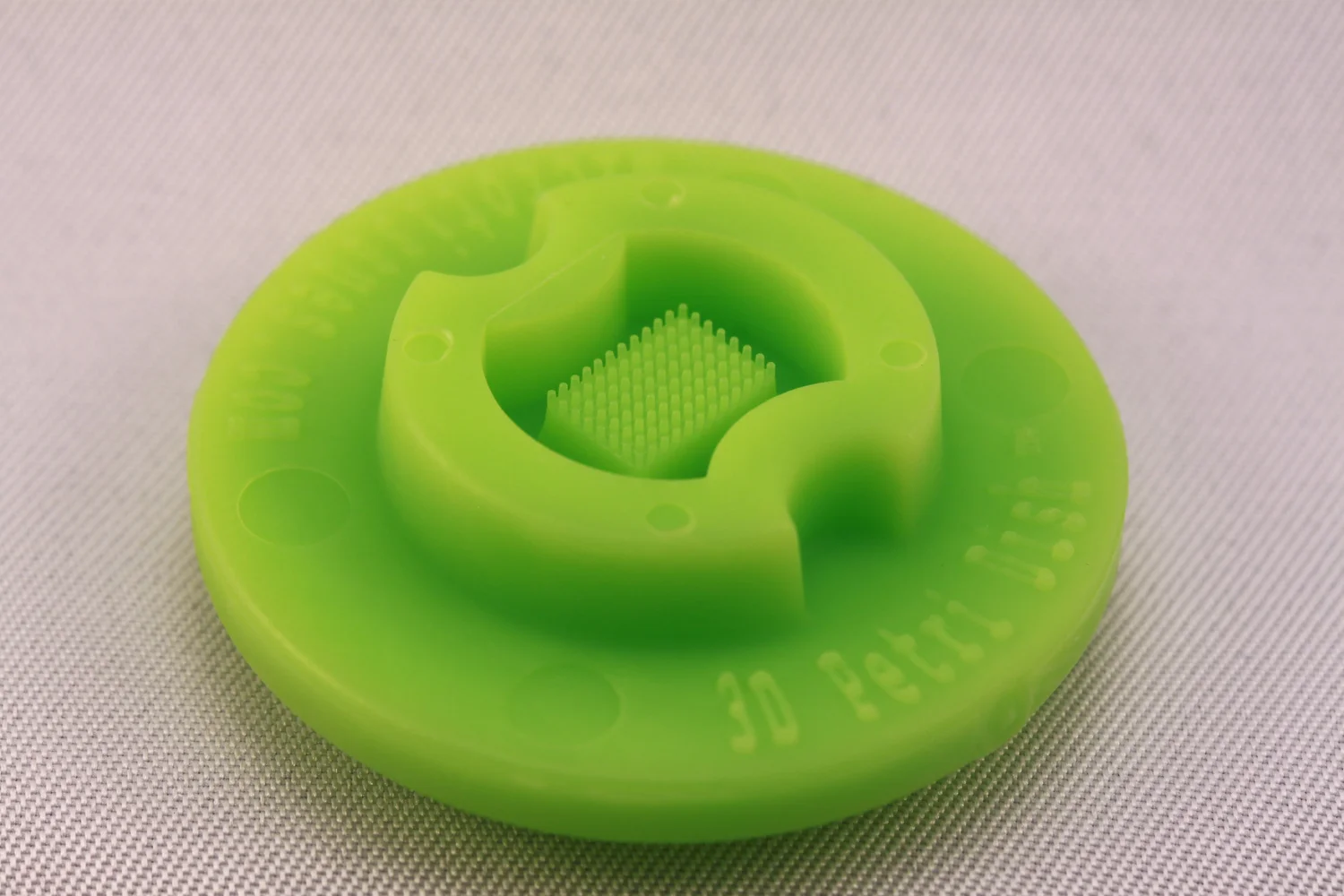
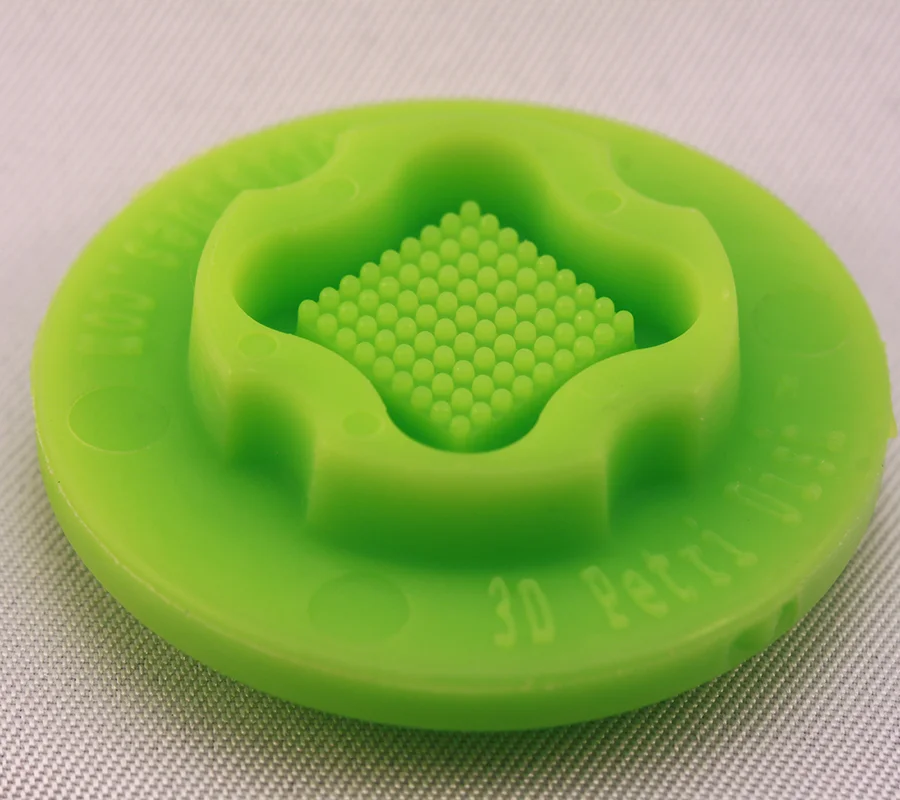
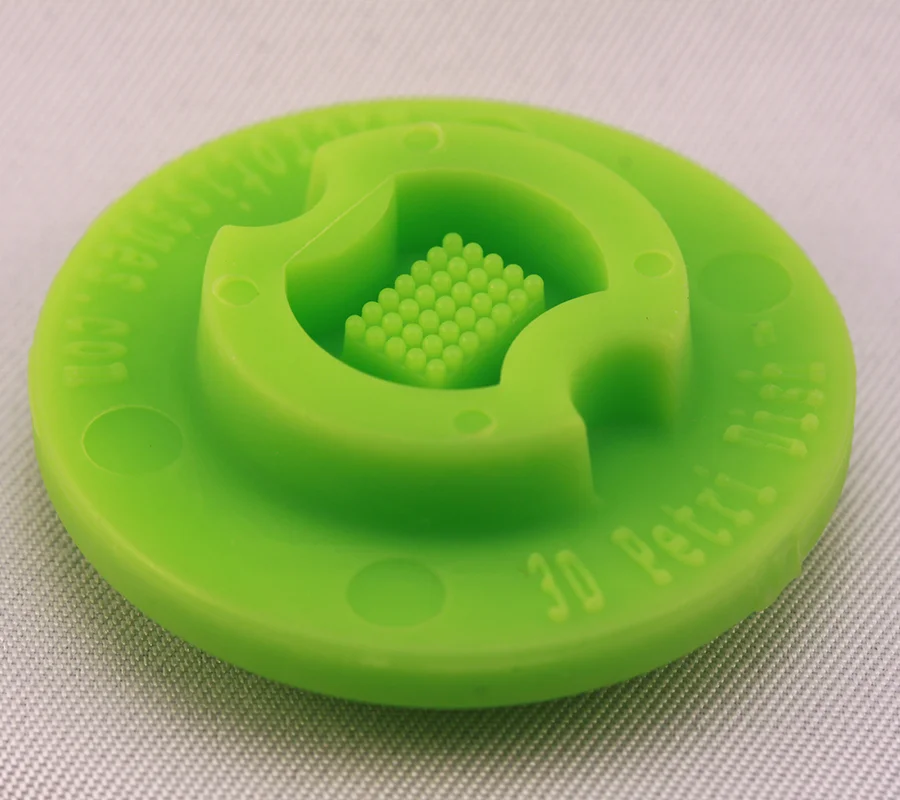
Published in Cells (2019), this peer-reviewed study used 3D Petri Dish® micro-molds to form scaffold-free 3D microtissues. Full citation: Szeder, Bálint, et al. Absence of the Tks4 Scaffold Protein Induces Epithelial-Mesenchymal Transition-Like Changes in Human Colon Cancer Cells
Absence of the Tks4 Scaffold Protein Induces Epithelial-Mesenchymal Transition-Like Changes in Human Colon Cancer Cells
Research Overview
Epithelial-to-mesenchymal transition (EMT) participates in wound healing, development, and pathological processes including metastasis. The Tks4 scaffold protein has been implicated in cancer progression, but its role in oncogenesis was poorly defined. This study knocked Tks4 out of HCT116 colon cancer cells using CRISPR/Cas9 to examine its function.
Unexpectedly, loss of Tks4 induced marked changes in cell morphology, motility, adhesion, and in the expression and localization of E-cadherin — all hallmarks of EMT. Fibronectin, a mesenchymal marker, appeared prominently in Tks4-knockout cells, and among the classic EMT transcription factors Snail2 was strongly overexpressed.
Key Discoveries
- CRISPR/Cas9 knockout of Tks4 in HCT116 colon cancer cells
- Tks4 loss altered morphology, motility, adhesion, and E-cadherin — hallmarks of EMT
- Fibronectin gained and Snail2 strongly overexpressed in Tks4-KO cells