Summary
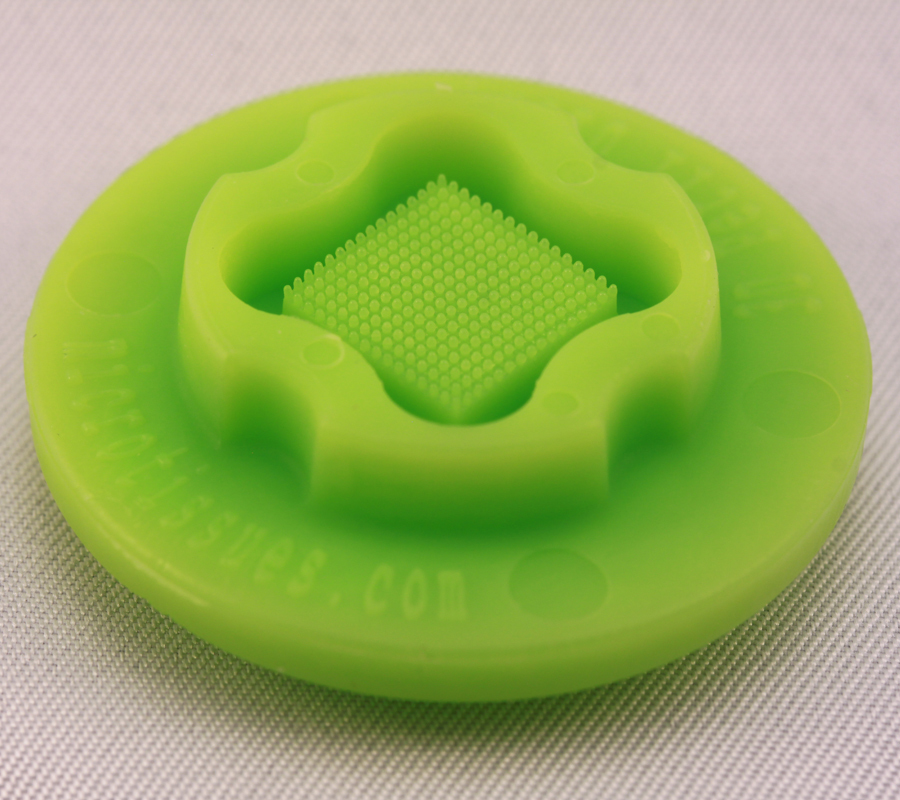
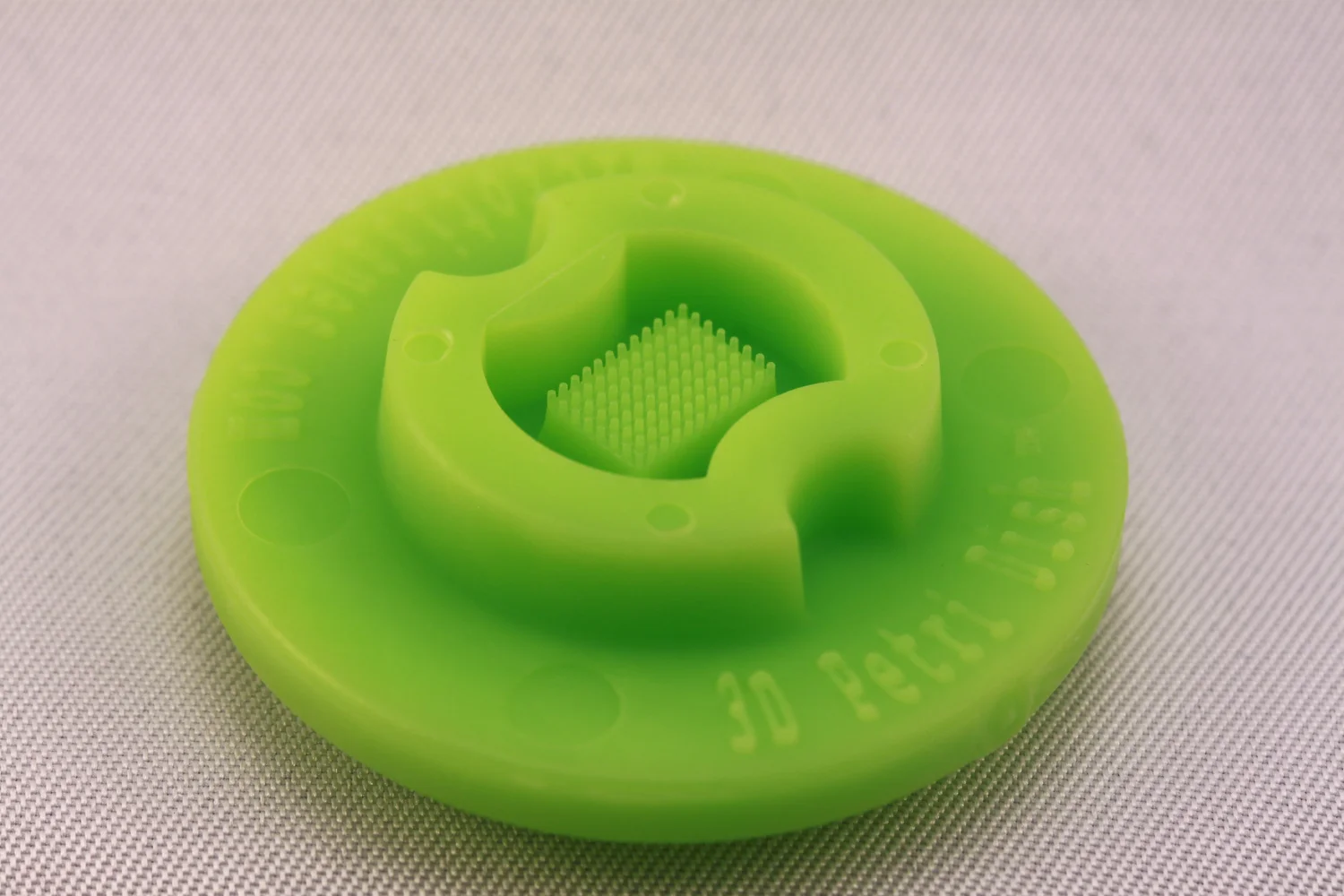
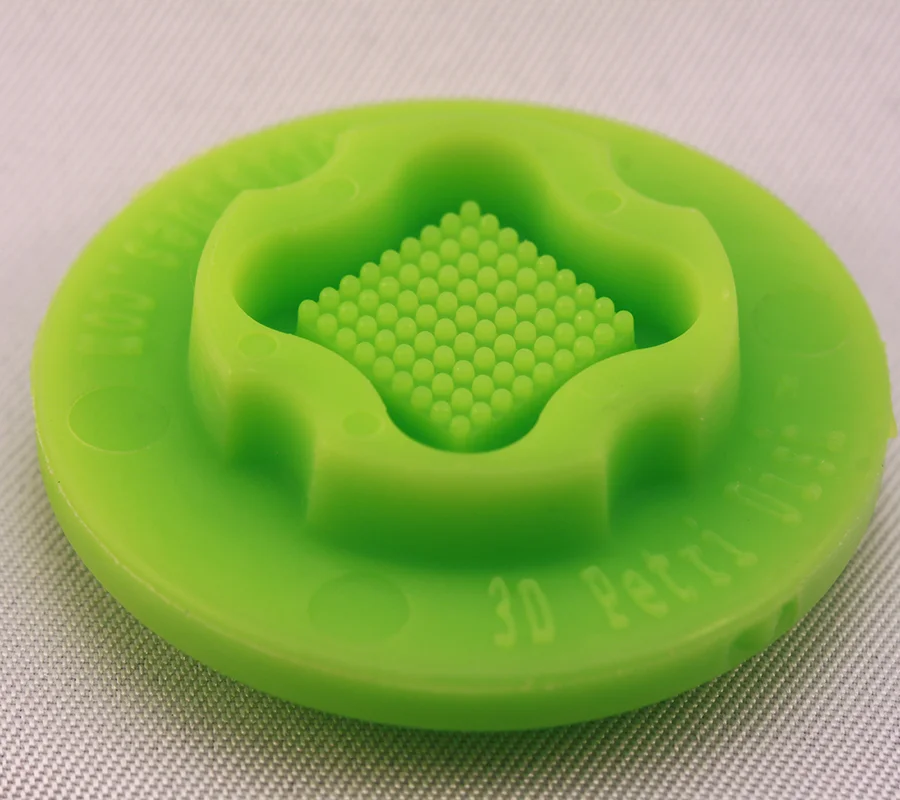
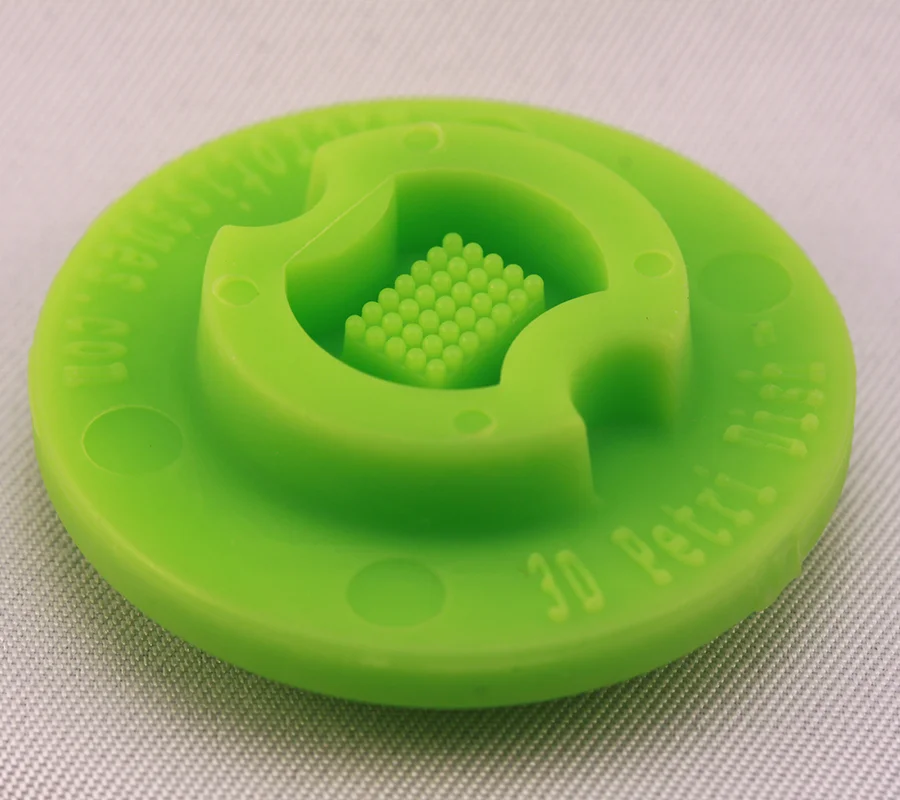
Published in Pharmacology Research & Perspectives (2024), this peer-reviewed study used 3D Petri Dish® micro-molds to form scaffold-free 3D microtissues. Full citation: Petzer, Melissa, et al. A549 Alveolar Carcinoma Spheroids as a Cytotoxicity Platform for Carboxyl‐ and Amine‐Polyethylene Glycol Gold Nanoparticles
A549 Alveolar Carcinoma Spheroids as a Cytotoxicity Platform for Carboxyl‐ and Amine‐Polyethylene Glycol Gold Nanoparticles
Research Overview
Gold nanoparticles have distinctive physicochemical properties and can be functionalized as anticancer agents, and spheroids offer a more tissue-like test bed than monolayers. This study developed an A549 alveolar carcinoma spheroid model — generated in an agarose micro-mold — for cytotoxicity assessment and mechanistic evaluation of functionalized gold nanoparticles.
Spheroids were characterized over 21 days of culture for morphology, acid phosphatase activity, and protein content. Day-7 spheroids were then exposed for 72 hours to carboxyl-PEG- and amine-PEG-functionalized nanoparticles, with cytotoxicity read out by morphology, acid phosphatase activity, protein content, caspase-3/7 activity, and cell-cycle analysis.
Key Discoveries
- A549 spheroids formed in an agarose micro-mold and characterized across 21 days of culture
- Carboxyl-PEG and amine-PEG gold nanoparticles compared for 72-h cytotoxicity on day-7 spheroids
- Multi-endpoint readout: morphology, acid phosphatase, protein, caspase-3/7, and cell cycle