Summary
This study by Barbone, D., et al was published in Chem, 2008. It utilized Microtissues 3D Petri Dish® micro-molds for 3D cell culture, contributing to advances in oncology research.
Mammalian Target of Rapamycin Contributes to the Acquired Apoptotic Resistance of Human Mesothelioma Multicellular Spheroids
Research Overview
Tumor cells grown as 3D structures acquire multicellular resistance to apoptosis that mimics the chemoresistance of solid tumors. This study built a multicellular spheroid model of malignant mesothelioma to investigate the molecular basis of that acquired resistance.
Mesothelioma cell lines grown as spheroids resisted a range of apoptotic stimuli — TRAIL combinations, ribotoxic stressors, histone deacetylase inhibitors, and proteasome inhibitors — that were highly effective against the same cells in monolayer. Inhibitor experiments implicated mTOR signaling in the resistance, identifying a target for restoring drug sensitivity.
Key Discoveries
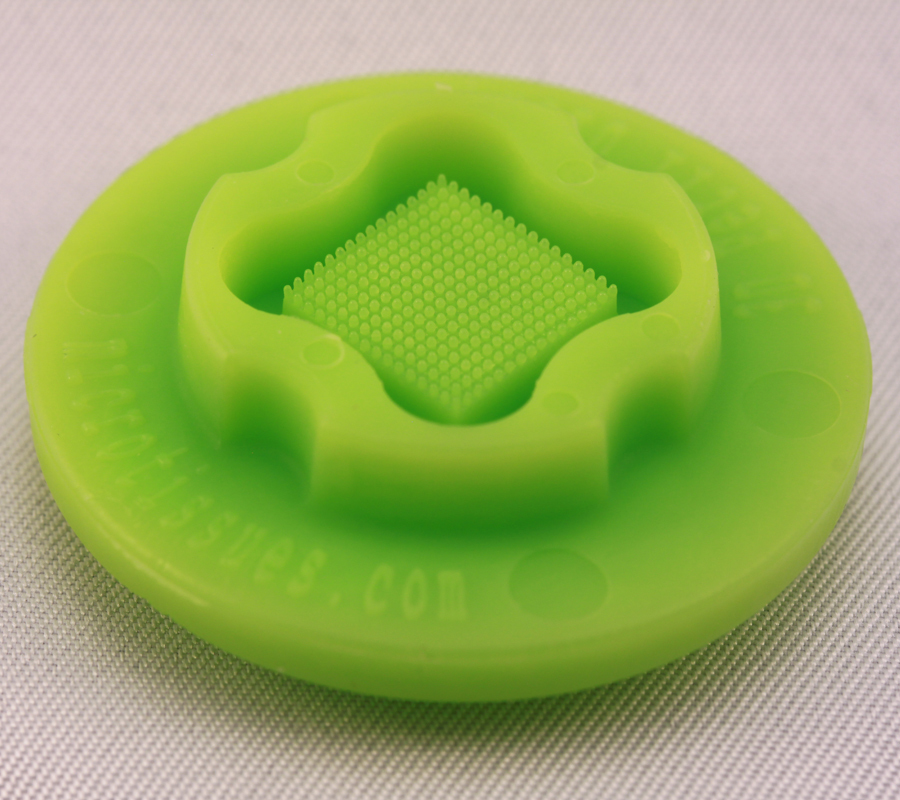
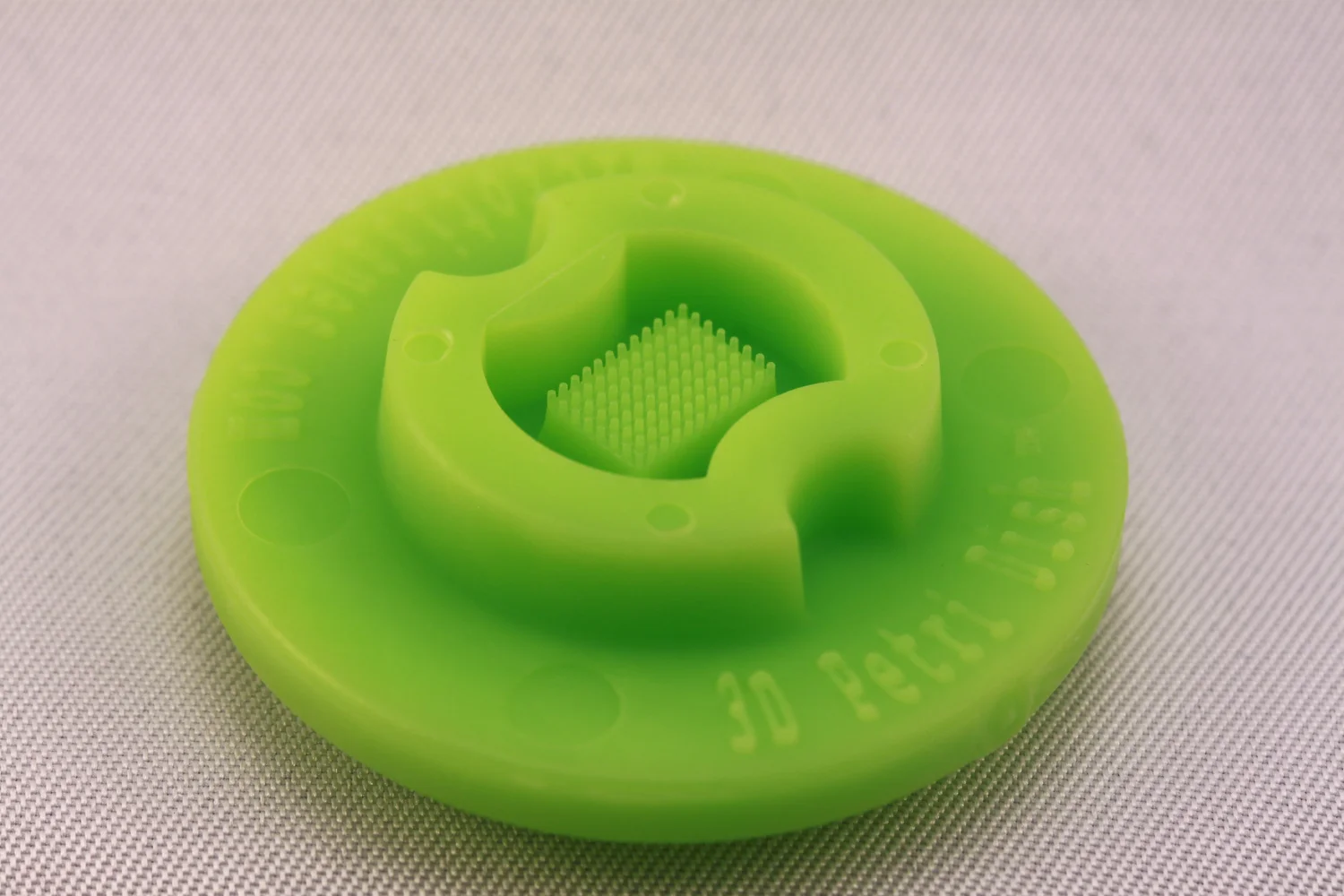
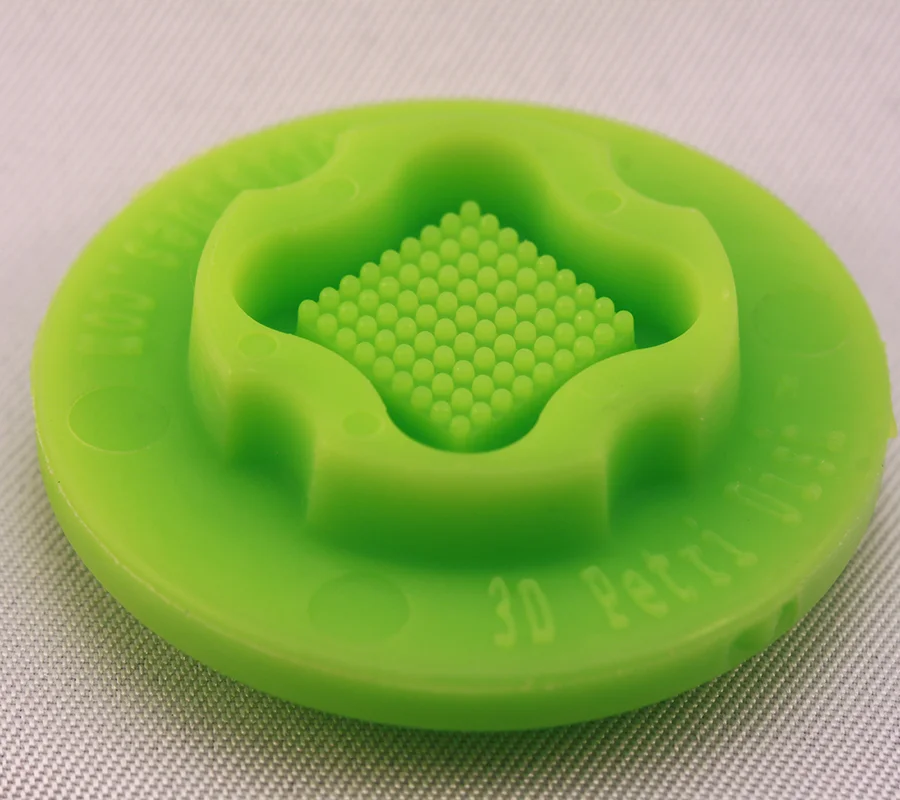
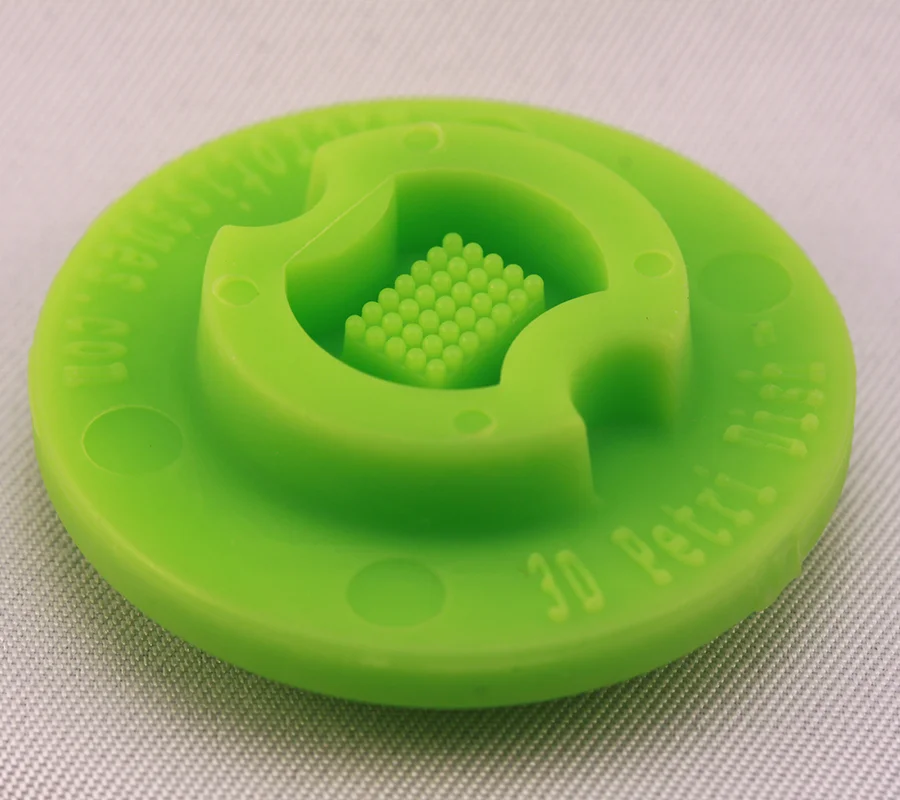
- Utilized Microtissues 3D Petri Dish® micro-molds for reproducible 3D spheroid formation
- Enabled physiologically relevant cell-cell interactions in a controlled 3D environment
- Supported the study of complex biological processes that cannot be replicated in traditional 2D culture
3D Petri Dish® Application
3D Petri Dish® Application
- Non-adhesive hydrogel micro-molds promoted self-assembly of cells into 3D spheroids:
- Uniform microtissue size ensured experimental reproducibility:
- Compatible with standard cell culture workflows and imaging techniques: