Summary
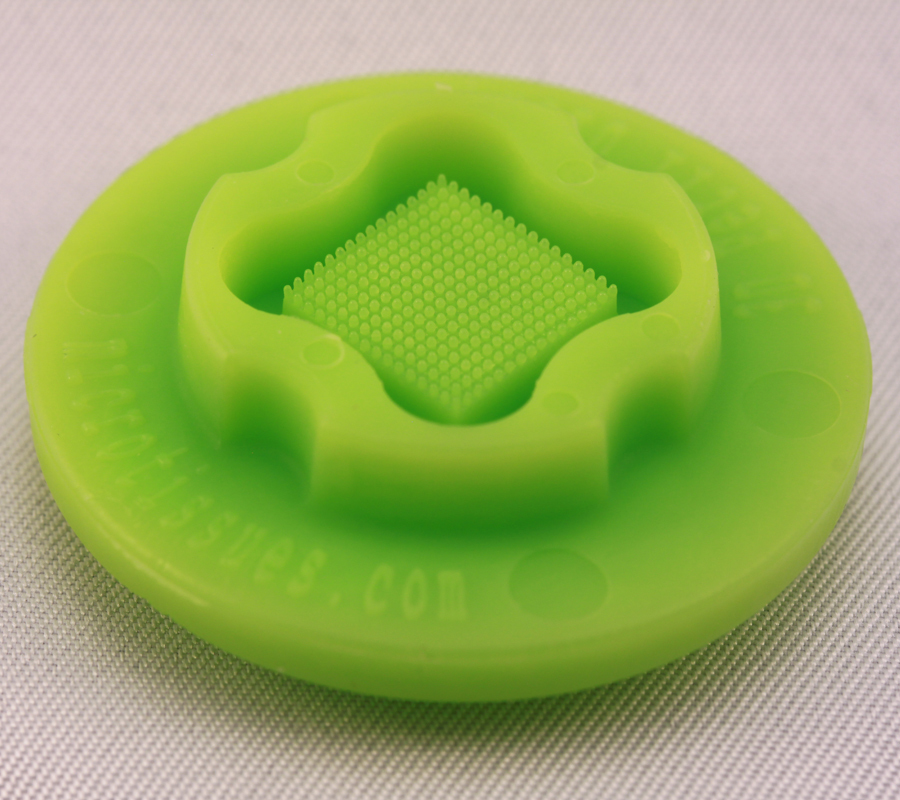
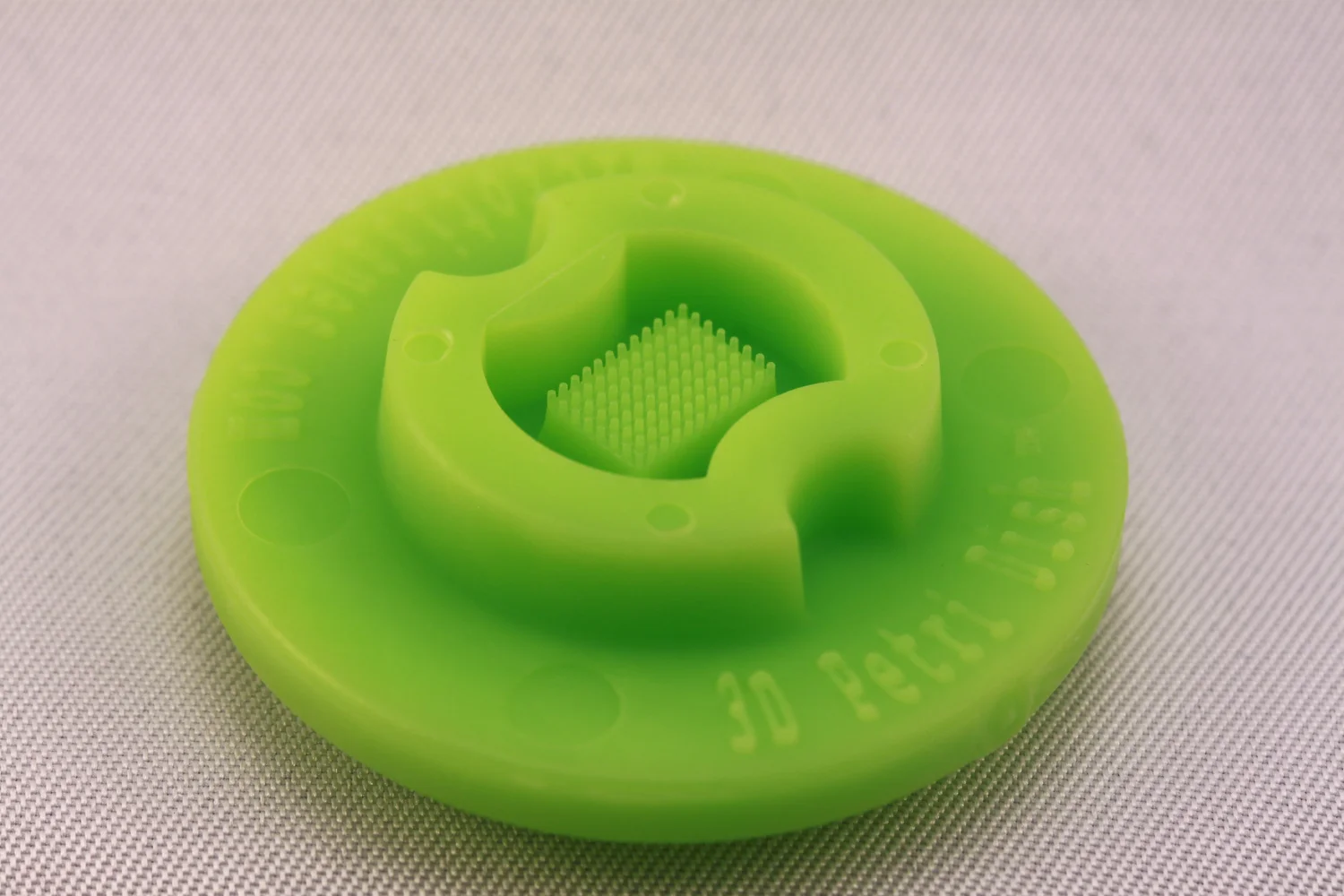
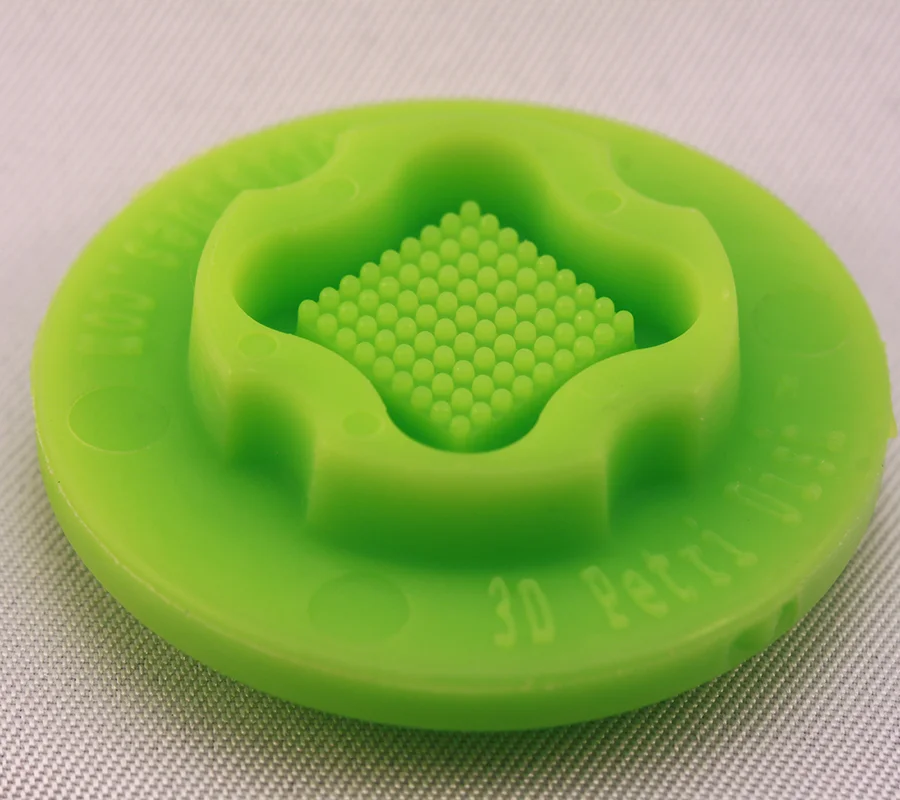
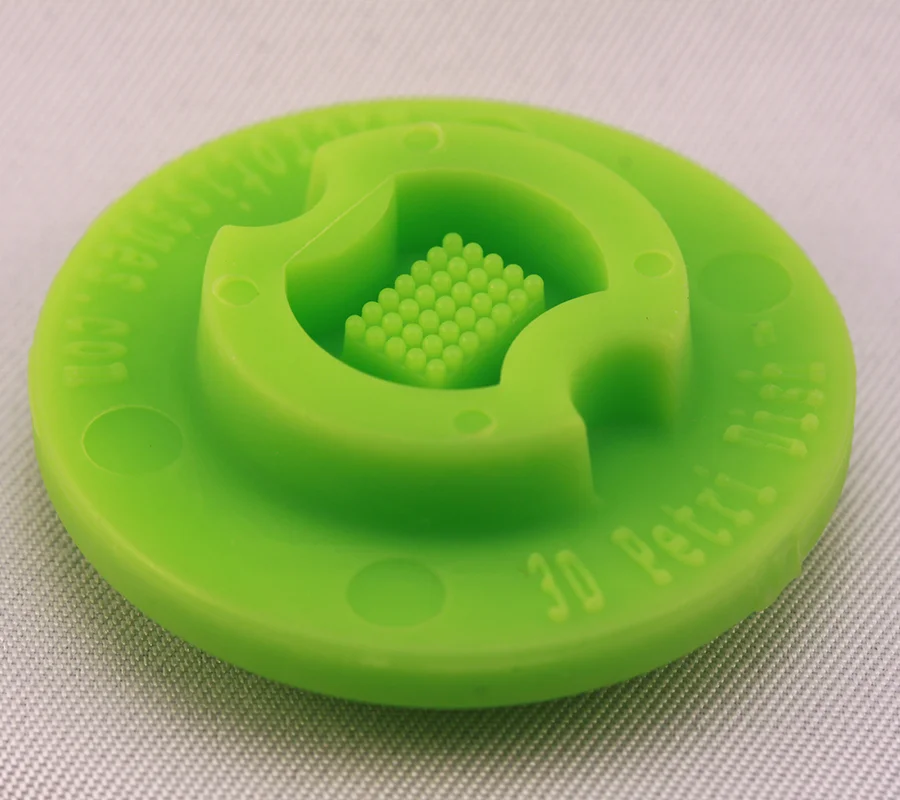
Published in Cells (2026), this peer-reviewed study used 3D Petri Dish® micro-molds to form scaffold-free 3D microtissues. Full citation: Szkolnicka, Dagmara, et al. Translating Human Prototype Liver Implant Technology from Academia to Industry for Third-Party Transplant and In Vivo Validation
Translating Human Prototype Liver Implant Technology from Academia to Industry for Third-Party Transplant and In Vivo Validation
Research Overview
Liver disease kills more than two million people a year, driven by inflammation and scarring that erode function and regeneration and can progress to decompensation, toxin build-up, and death. No approved medicine treats cirrhosis long-term; the only effective option for end-stage disease is transplantation, and demand far exceeds donor supply.
Against that bottleneck, groups worldwide have built cell-based prototype systems to restore failing liver function, some now in clinical trials — yet no mainstream commercial liver-assist product exists. This article examines what it takes to move a human liver implant prototype from an academic laboratory into an industrial, third-party-manufactured product.
Key Discoveries
- Frames the unmet need: >2M liver deaths a year, no long-term cirrhosis drug, transplant supply far short of demand
- Surveys cell-based liver support prototypes, some already in clinical trials
- Addresses the academia-to-industry translation gap that has kept liver-assist products off the market