Summary
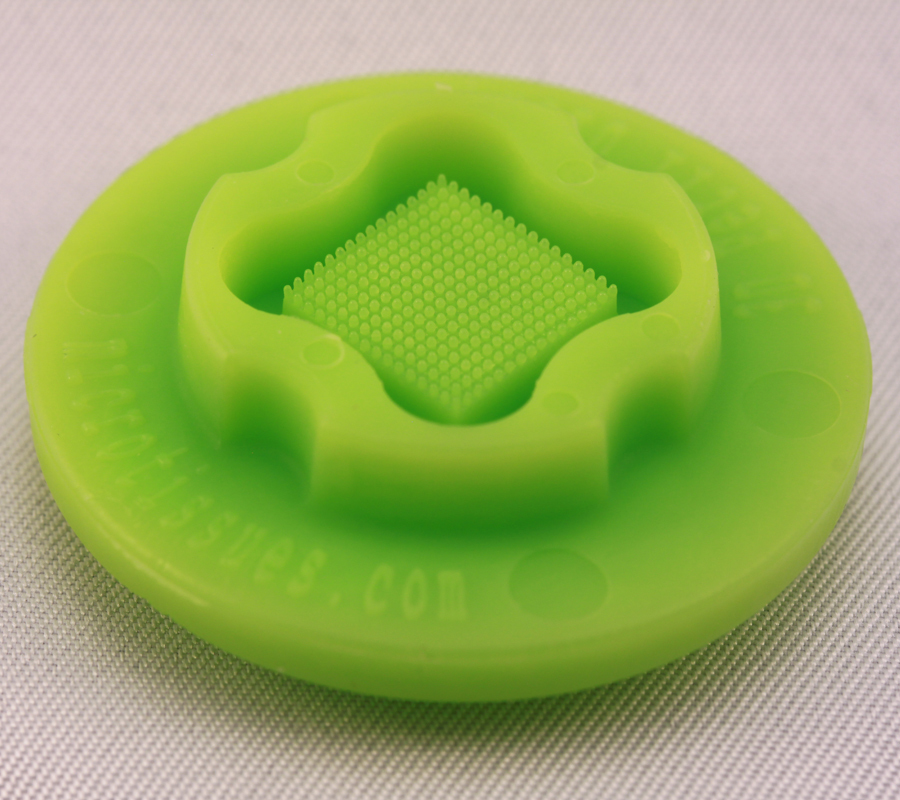
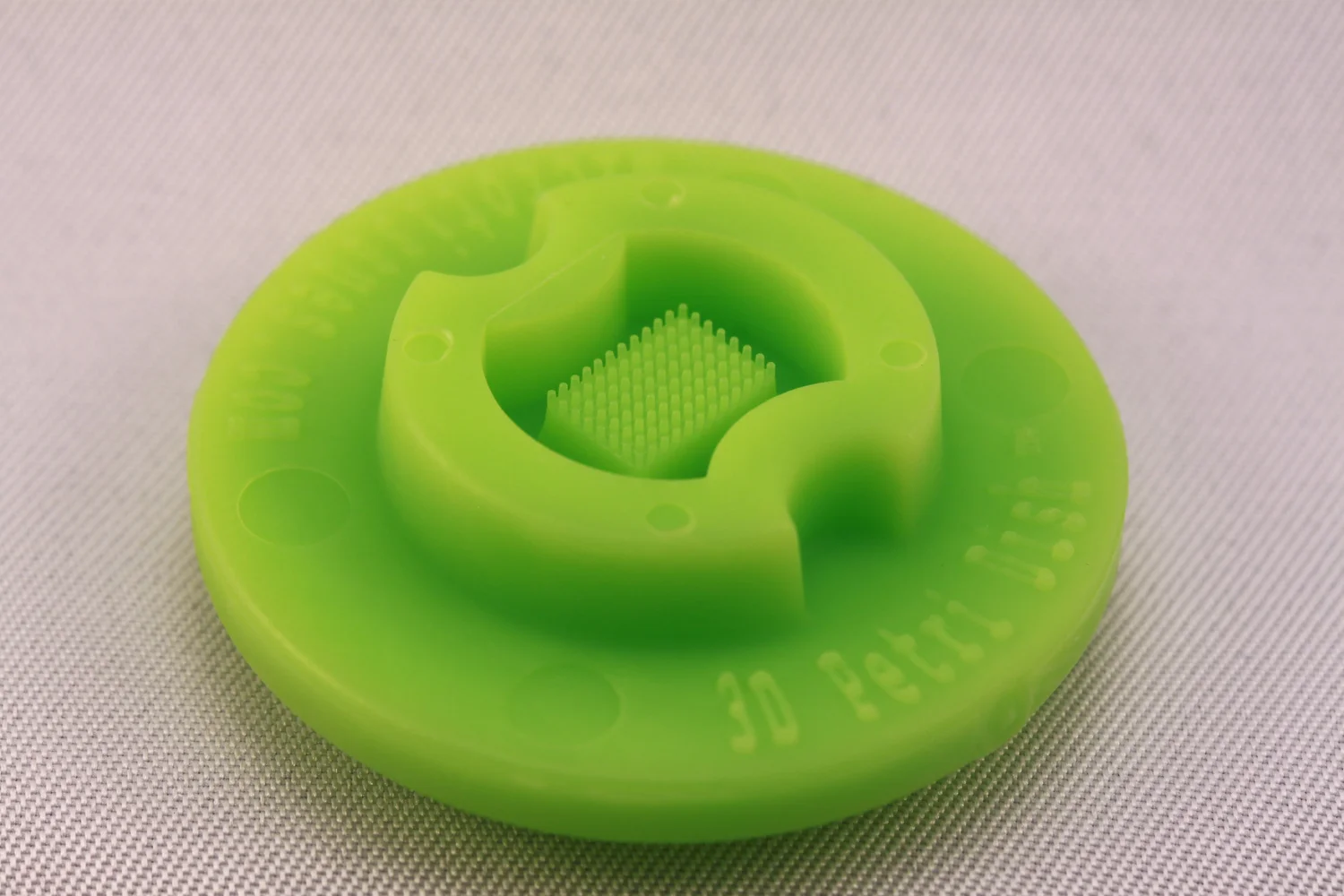
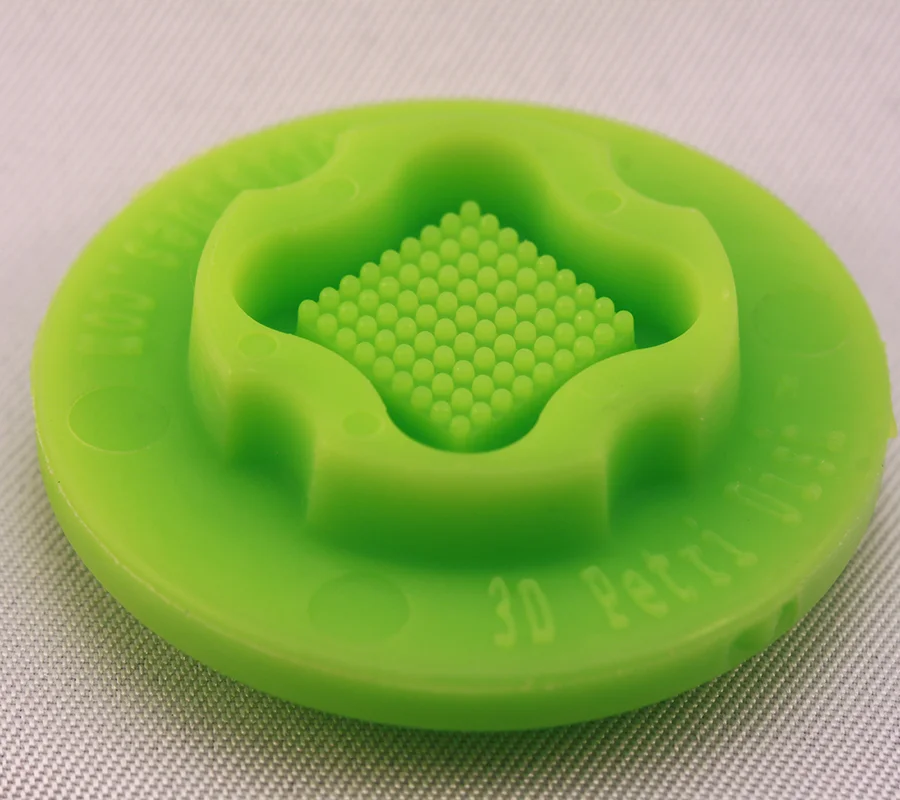
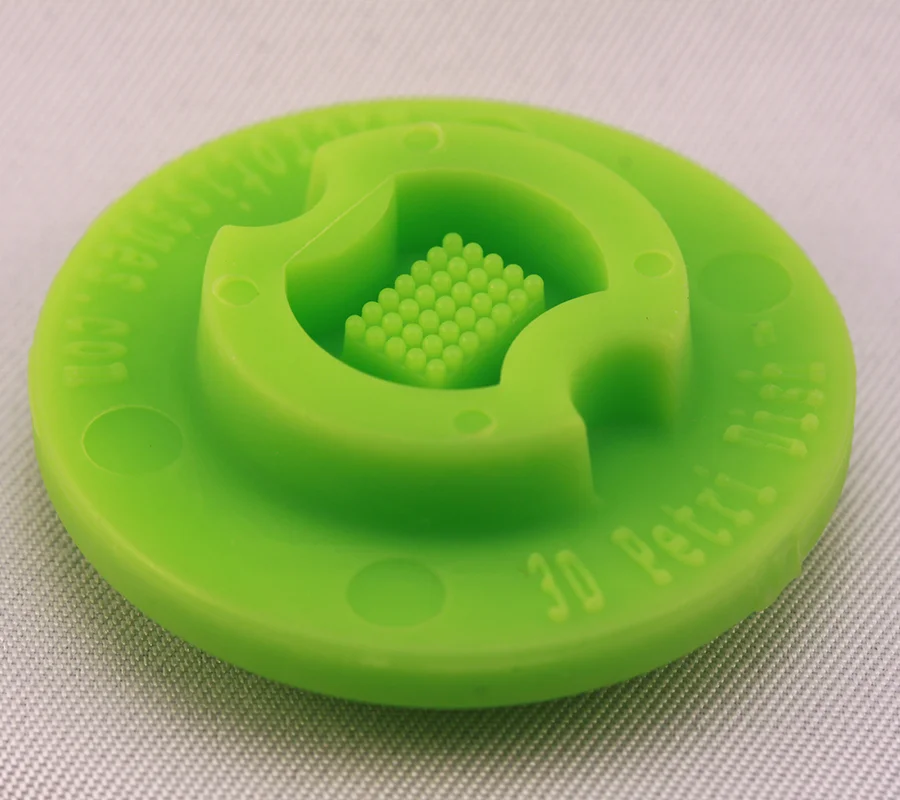
Published in Advanced Science (2025), this peer-reviewed study used 3D Petri Dish® micro-molds to form scaffold-free 3D microtissues. Full citation: Lian, Senlin, et al. Conjugated Lithocholic Acid Activates Hepatic TGR5 to Promote Lipotoxicity and MASLD‐MASH Transition by Disrupting Carnitine Biosynthesis
Conjugated Lithocholic Acid Activates Hepatic TGR5 to Promote Lipotoxicity and MASLD‐MASH Transition by Disrupting Carnitine Biosynthesis
Research Overview
Conjugated lithocholic acid drives the development of metabolic dysfunction-associated steatotic liver disease, and inflammation-induced upregulation of its receptor TGR5 in hepatocytes is a key step. Serum bile-acid profiling showed conjugated lithocholic acid rising with disease severity, and deleting the TGR5 gene (Gpbar1) in hepatocytes significantly protected against progression to steatohepatitis.
In vivo and in vitro, TGR5 activation in hepatocytes promoted lipotoxic cell death and inflammation by suppressing de novo carnitine biosynthesis. Mechanistically, TGR5 binds CD36 and recruits the E3 ubiquitin ligase TRIM21, which degrades BBOX1 — the enzyme that completes carnitine synthesis — linking a bile acid receptor to a metabolic bottleneck in fatty liver disease.
Key Discoveries
- Serum conjugated lithocholic acid rose with MASLD severity; hepatocyte Gpbar1 deletion protected against MASH
- TGR5 activation caused lipotoxic death and inflammation by suppressing de novo carnitine biosynthesis
- TGR5-CD36 binding recruits TRIM21 to degrade BBOX1, the carnitine-synthesis enzyme