Summary
Published in Transplantation (2015), this peer-reviewed study used 3D Petri Dish® micro-molds to form scaffold-free 3D microtissues. Full citation: Takemoto, Naohiro, et al. Coaggregates of Regulatory T Cells and Islet Cells Allow Long-term Graft Survival in Liver Without Immunosuppression
Coaggregates of Regulatory T Cells and Islet Cells Allow Long-term Graft Survival in Liver Without Immunosuppression
Research Overview
Islet transplantation can treat insulin-dependent diabetes, but grafts require immunosuppressive drugs whose long-term complications drive the search for alternatives. This study tested a cell-based alternative: co-aggregates of CD4+CD25+ regulatory T cells with islet cells, formed on agarose hydrogel bearing small round-bottomed wells.
Four hundred co-aggregates — with Treg and islet cells randomly distributed within each — were transplanted via the portal vein into the livers of streptozotocin-induced diabetic mice with no systemic immunosuppression. Six of nine recipients showed improved blood glucose control, suggesting locally delivered regulatory T cells can protect islet grafts without systemic drugs.
Key Discoveries
- Treg + islet cell co-aggregates formed in agarose micro-wells with round-bottomed recesses
- 400 co-aggregates transplanted into diabetic mice without systemic immunosuppression
- 6 of 9 recipients showed improved glycemic outcomes
Recommended Products
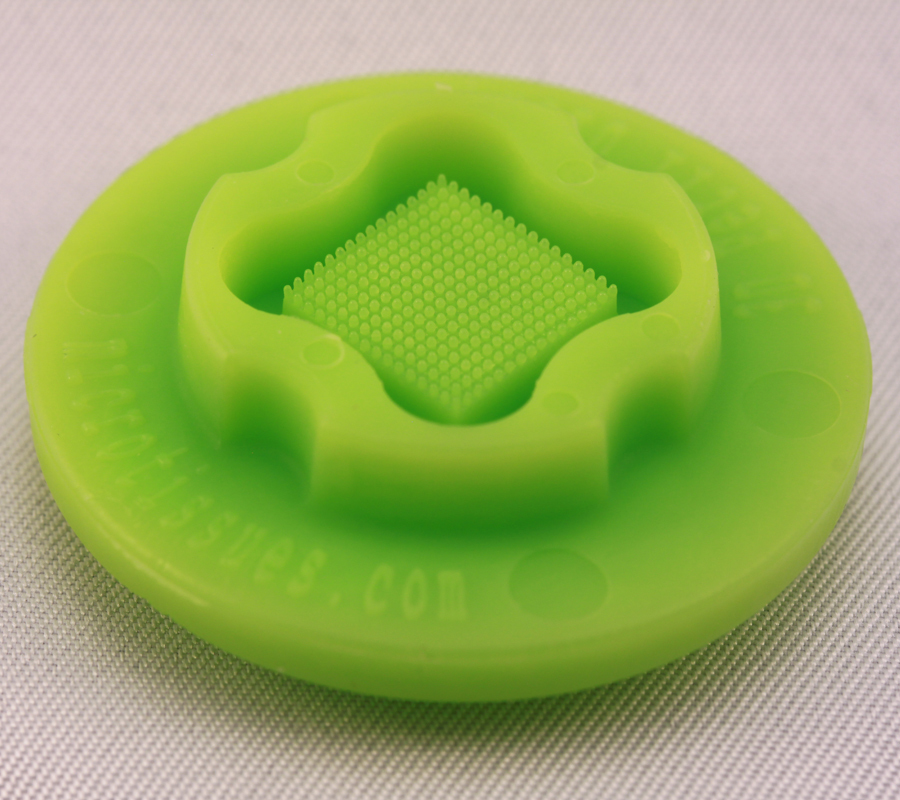
12-256 Small Spheroids
12-well plates · $575
View 12-256 →
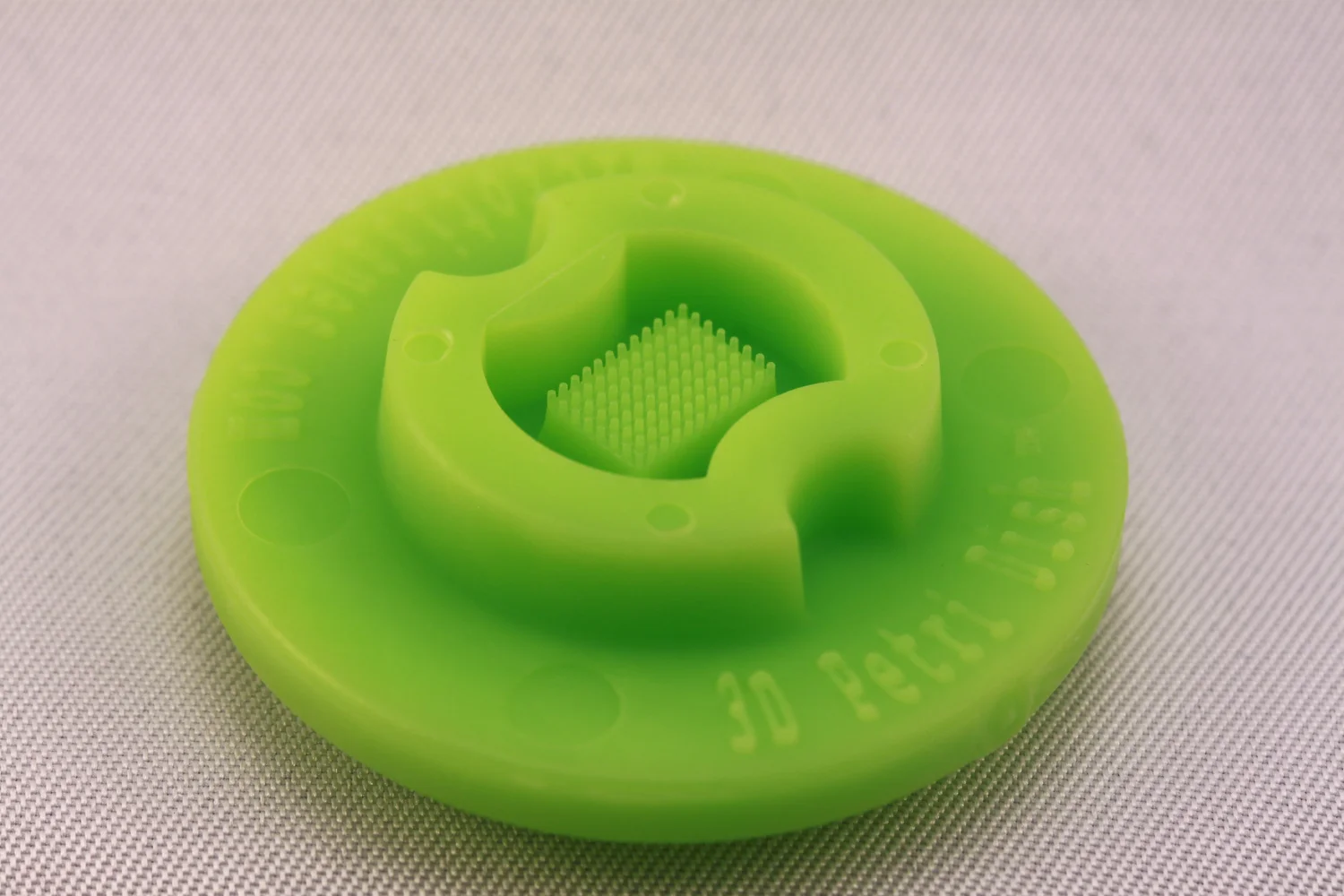
24-96 Small Spheroids
24-well plates · $575
View 24-96 →
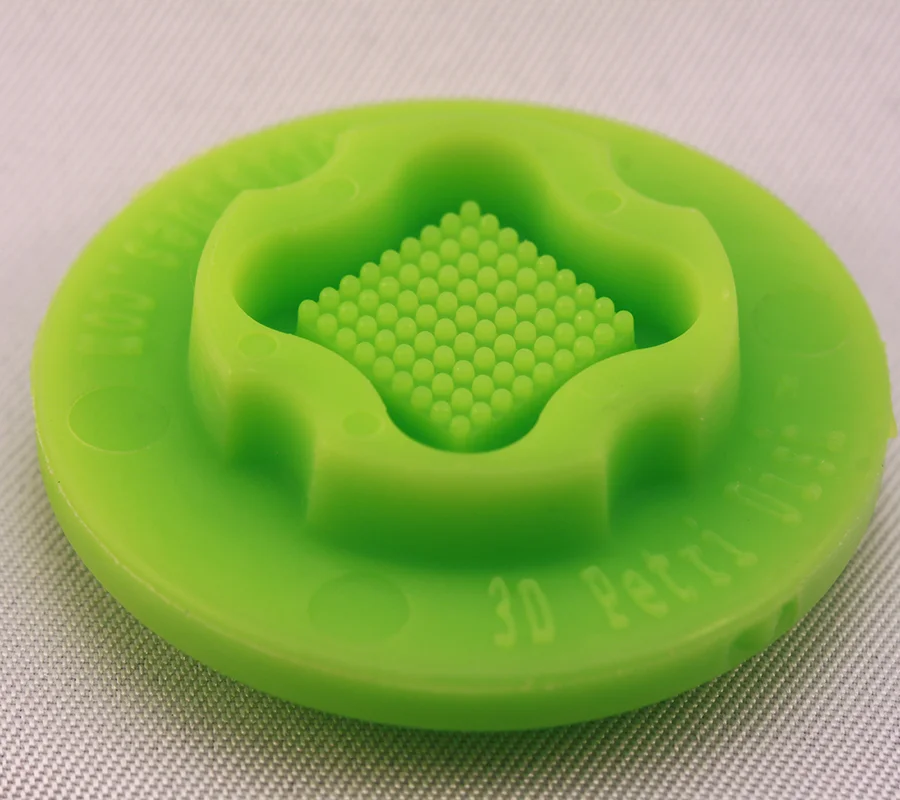
12-81 Large Spheroids
12-well plates · $575
View 12-81 →
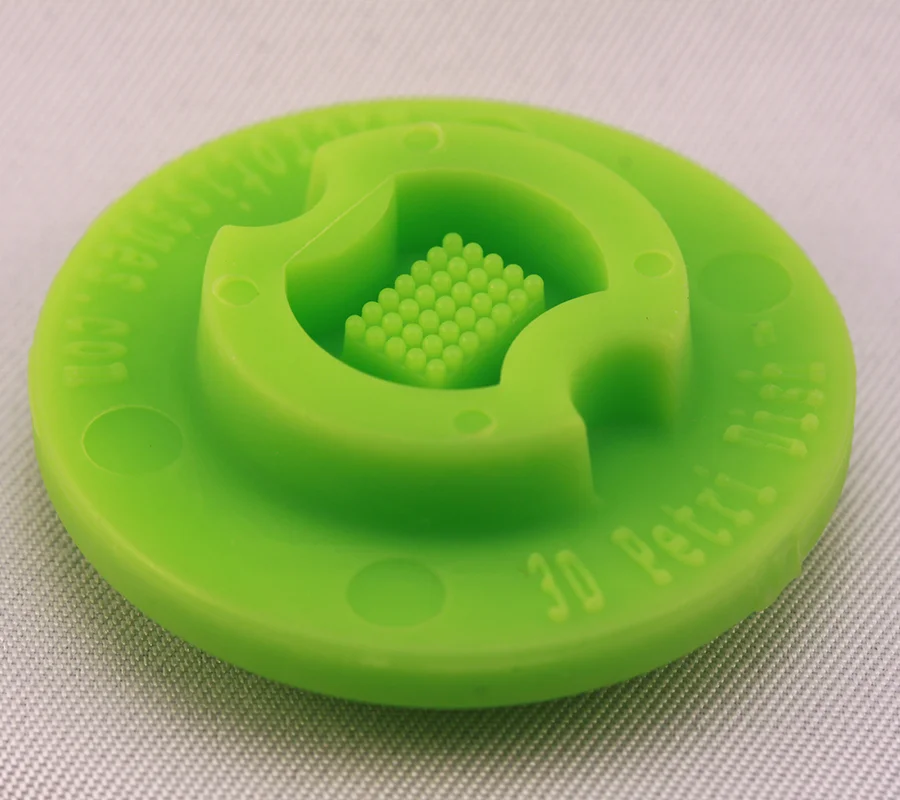
24-35 Large Spheroids
24-well plates · $575
View 24-35 →
Frequently Asked Questions
What research areas use 3D Petri Dish® micro-molds?How do 3D Petri Dish® micro-molds work?
The micro-mold system uses non-adhesive agarose to create arrays of uniform recesses. When cells are seeded, they settle into these recesses and self-assemble into uniform 3D microtissues within 24 hours, without the need for specialized equipment or complex protocols.