Summary
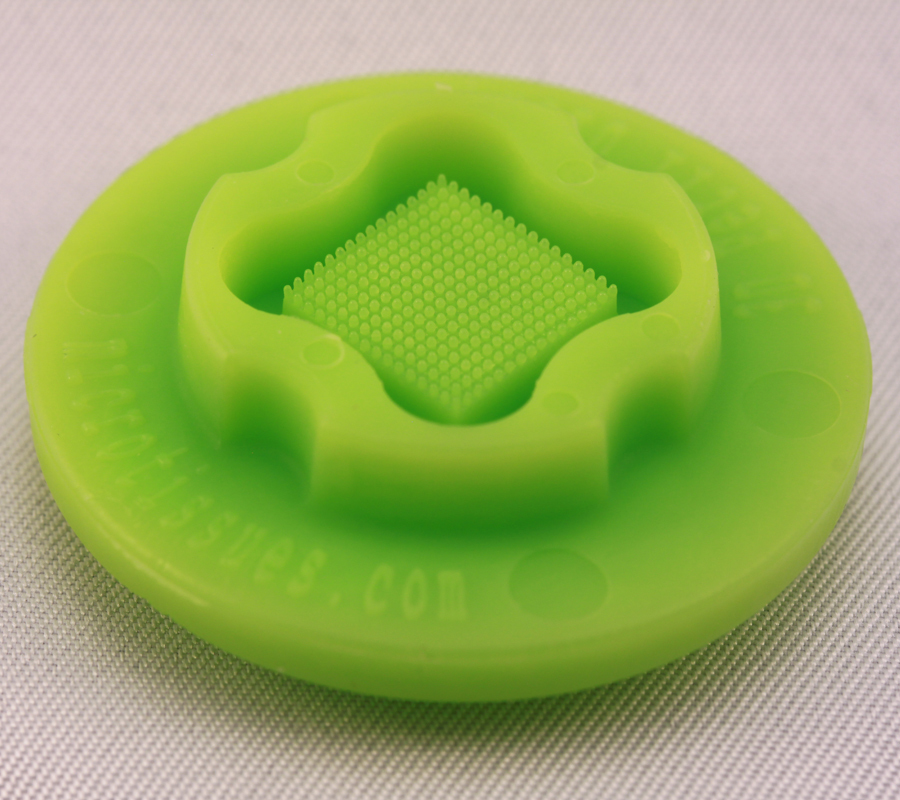
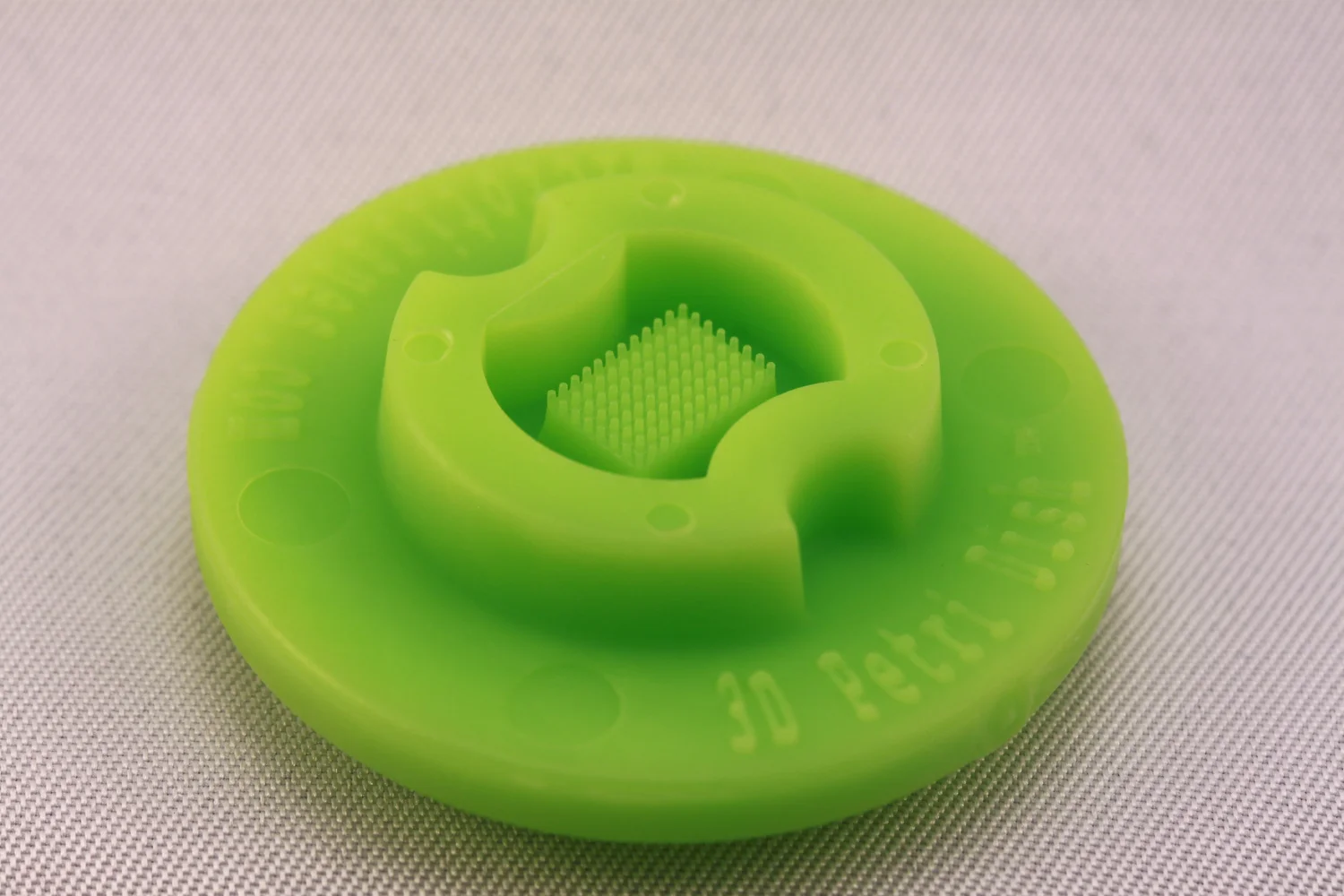
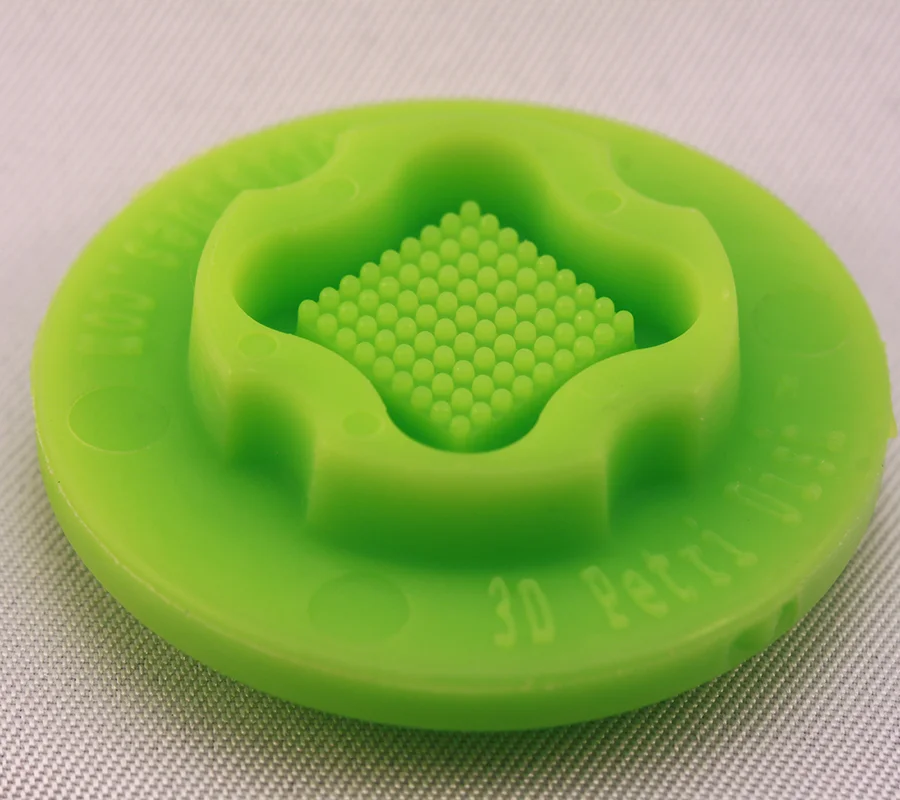
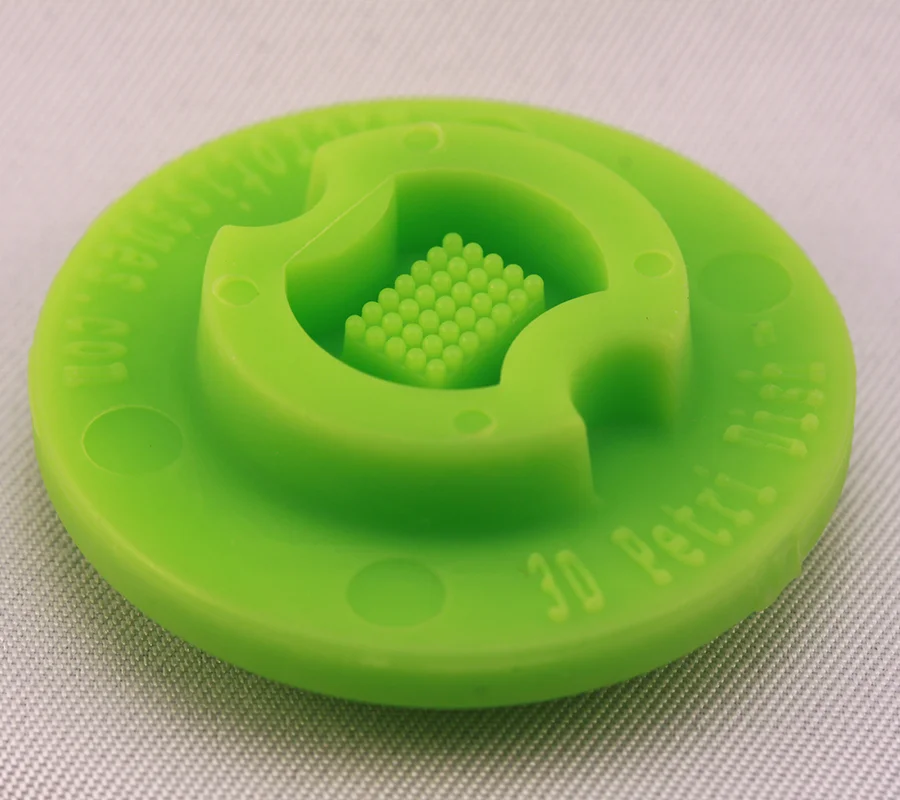
Published in Cell Transplantation (2025), this peer-reviewed study used 3D Petri Dish® micro-molds to form scaffold-free 3D microtissues. Full citation: Rashidi, Hassan, et al. The safety and efficacy of ultrasound histotripsy and human pluripotent stem cell–derived hepatic spheroid implantation as a potential therapy for treatment of congenital metabolic liver disease: Assessment in an immunocompetent rodent model
The safety and efficacy of ultrasound histotripsy and human pluripotent stem cell–derived hepatic spheroid implantation as a potential therapy for treatment of congenital metabolic liver disease: Assessment in an immunocompetent rodent model
Research Overview
Liver disease caused by inborn errors of metabolism is rare but chronic and life-shortening, and curative treatment is largely limited to transplantation with its long-term risks. Cell therapy is an appealing alternative that has so far been ineffective. This study tested a new route: histotripsy — non-invasive, high-intensity ultrasound that mechanically ablates a pocket of liver tissue — followed by implantation of hepatocyte stem cells into the cavity.
Safety and feasibility were assessed in healthy adult rats (n = 12). Under anesthesia, the exposed liver received histotripsy, and around one million cells were injected into a single cavity under direct vision in ten animals, with two receiving histotripsy alone as controls.
Key Discoveries
- Histotripsy created a mechanical ablation cavity in rat liver for cell implantation
- ~1 million hepatocyte stem cells injected per cavity in 10 of 12 animals; 2 histotripsy-only controls
- First safety and feasibility assessment of ablation-plus-implantation for genetic liver disease