Summary
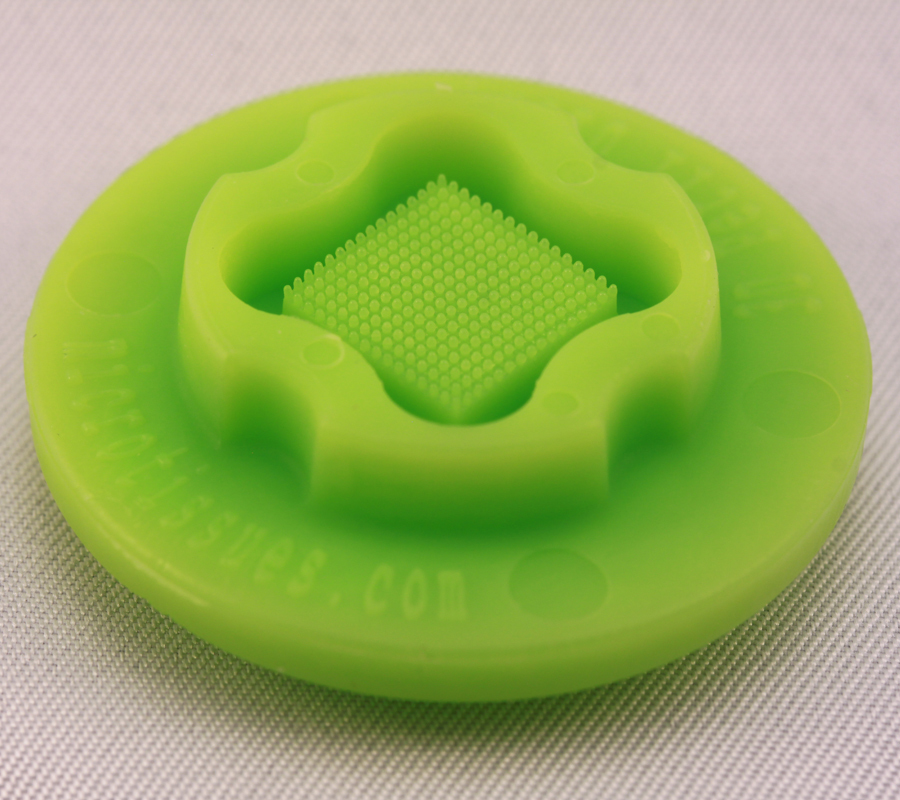
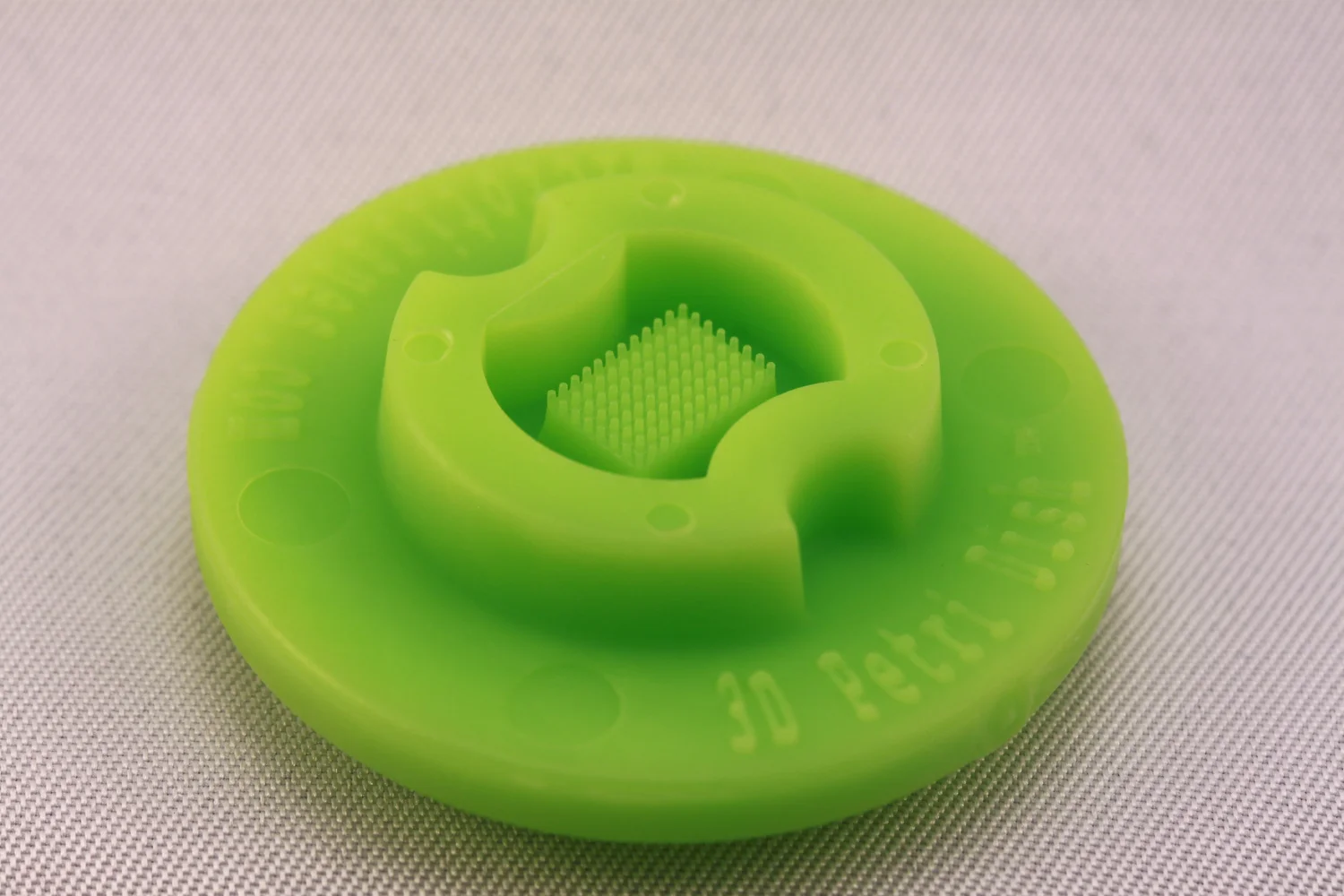
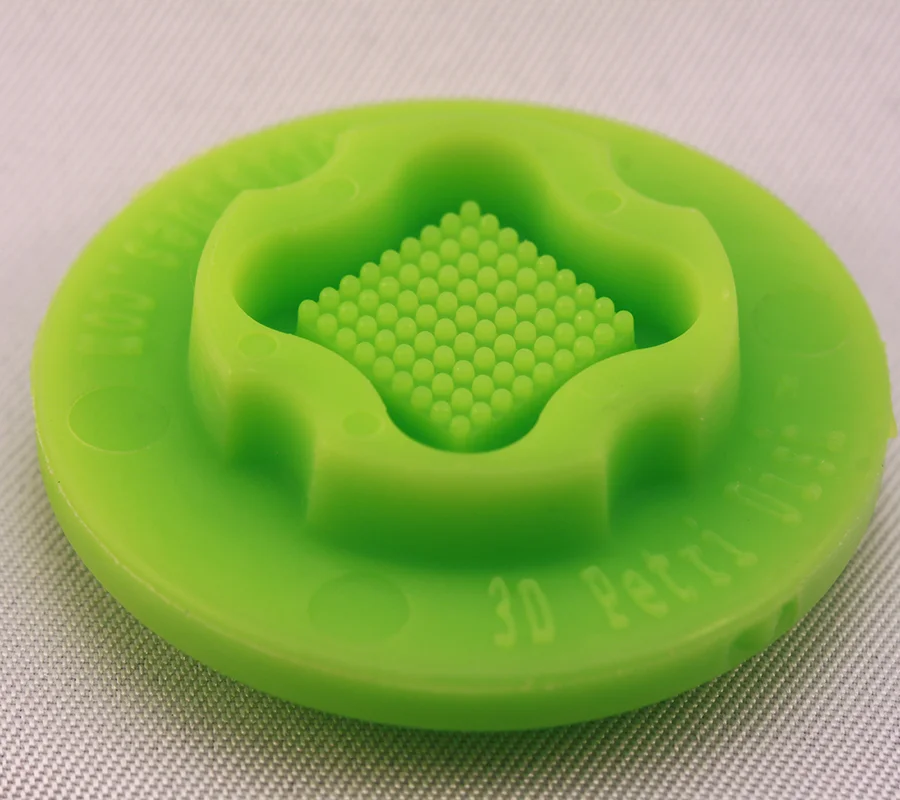
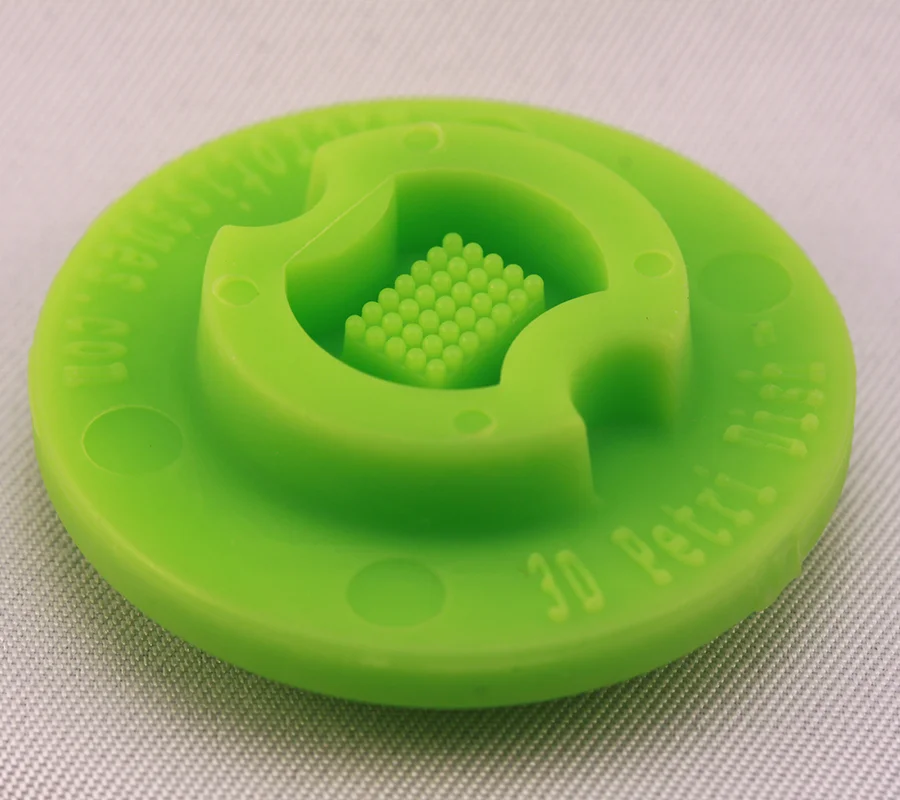
Published in Antioxidants (2026), this peer-reviewed study used 3D Petri Dish® micro-molds to form scaffold-free 3D microtissues. Full citation: Lima, Irlã Santos, et al. The Flavonoid Rutin Enhances Temozolomide Sensitivity in Glioblastoma Spheroids by Modulating Chemoresistance via PI3K/AKT, STAT3, Redox and Kynurenine Pathways, and Altering ECM Remodeling Associated with Reduced Migration
The Flavonoid Rutin Enhances Temozolomide Sensitivity in Glioblastoma Spheroids by Modulating Chemoresistance via PI3K/AKT, STAT3, Redox and Kynurenine Pathways, and Altering ECM Remodeling Associated with Reduced Migration
Research Overview
Glioblastoma is the most aggressive primary brain tumor and is highly resistant to temozolomide, the standard chemotherapy. Rutin, a potent antioxidant flavonoid with anti-glioma activity in vitro, has an incompletely understood mechanism. This study examined rutin’s effects on morphology, viability, redox balance, and pro-tumoral signaling in glioblastoma 2D cultures and 3D spheroids, and whether it changes temozolomide sensitivity.
GL15 and U343 glioblastoma lines and primary astrocytes were treated with rutin (5–30 µM) and/or temozolomide (125–4000 µM). Viability and metabolic activity were measured by MTT and live/dead staining, migration was assessed from spheroid-derived cells, and the matrix components fibronectin and laminin were evaluated by immunofluorescence alongside intracellular reactive oxygen species.
Key Discoveries
- Rutin tested at 5-30 µM alone and with temozolomide across 2D cultures and 3D spheroids
- Two glioblastoma lines plus primary astrocytes allowed tumor-versus-normal comparison
- Readouts covered viability, migration, ECM components, and intracellular ROS