Summary
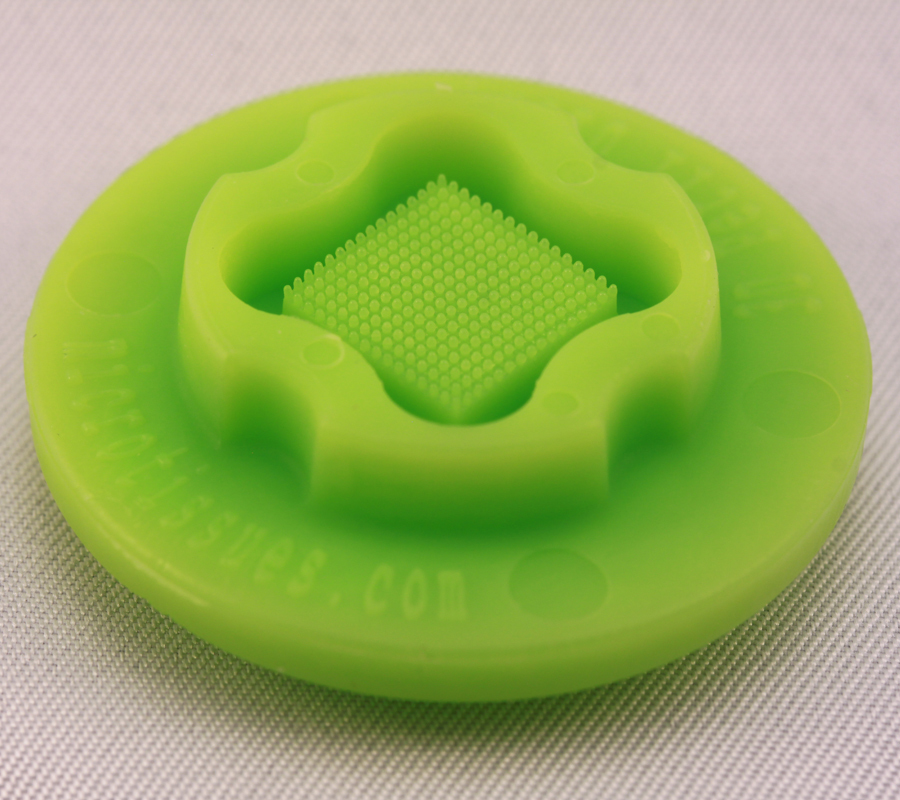
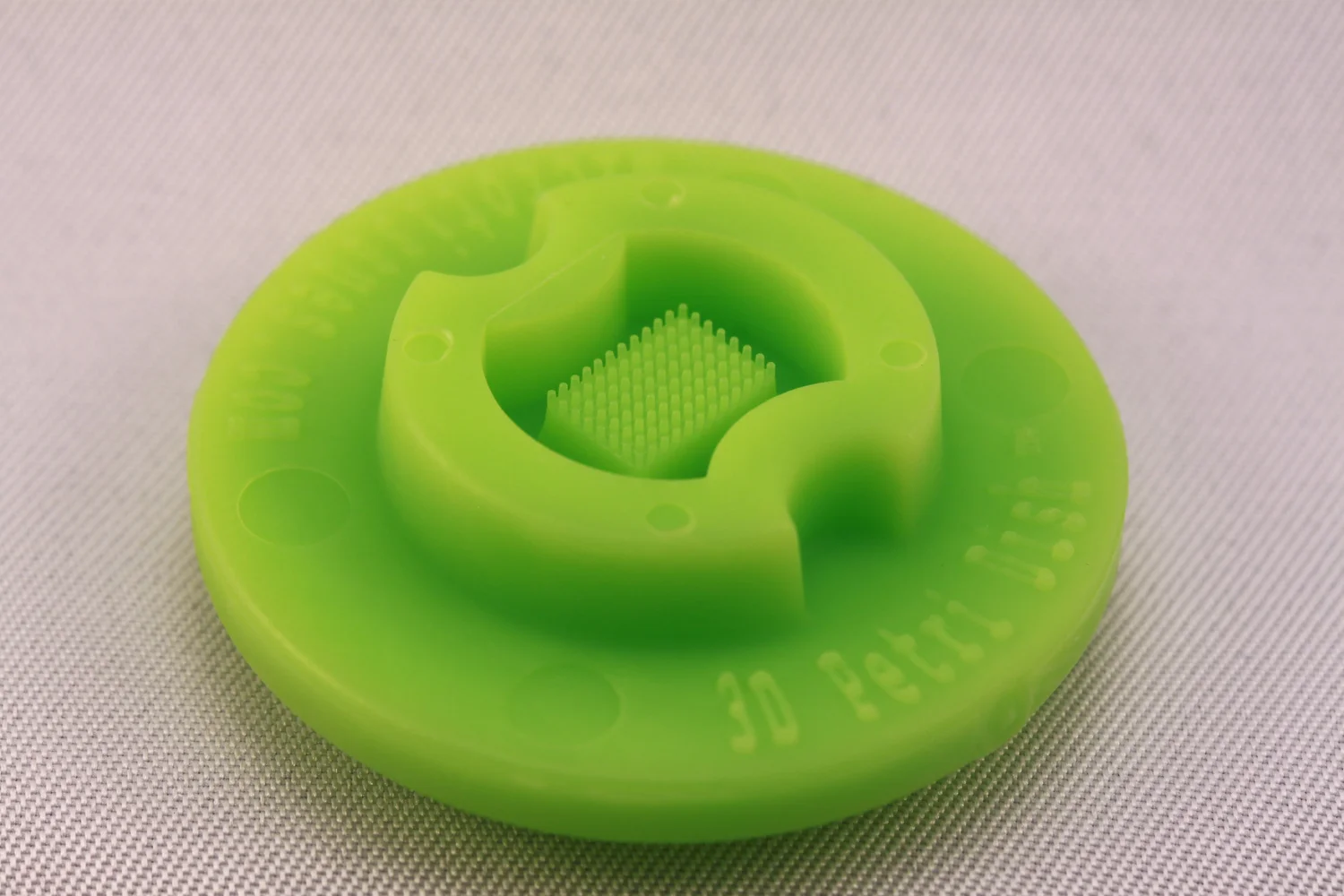
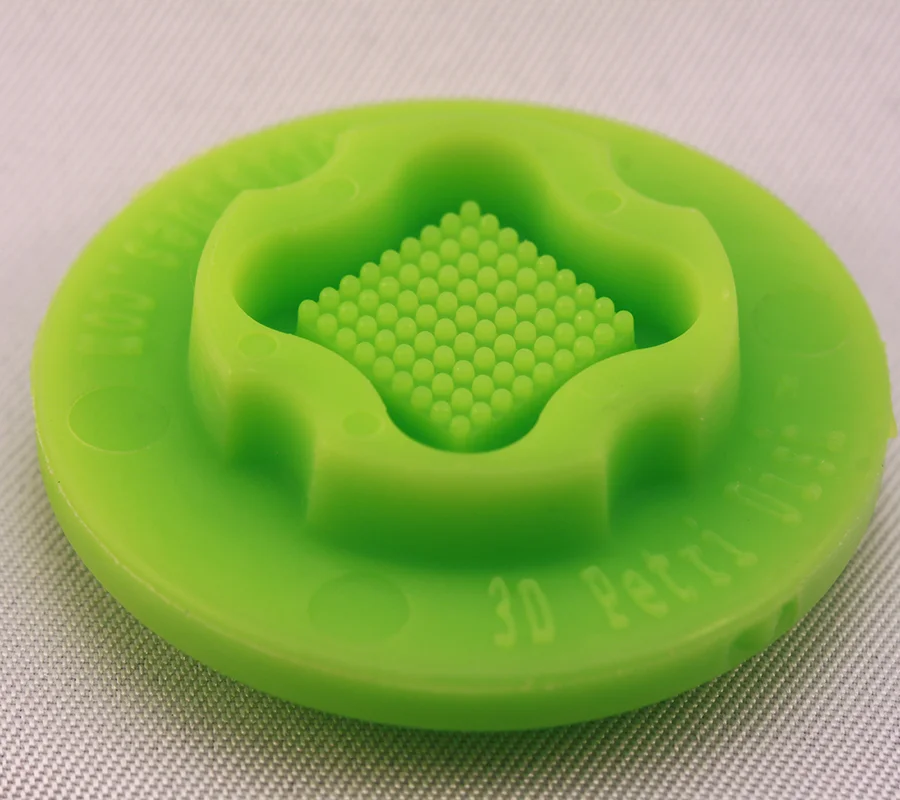
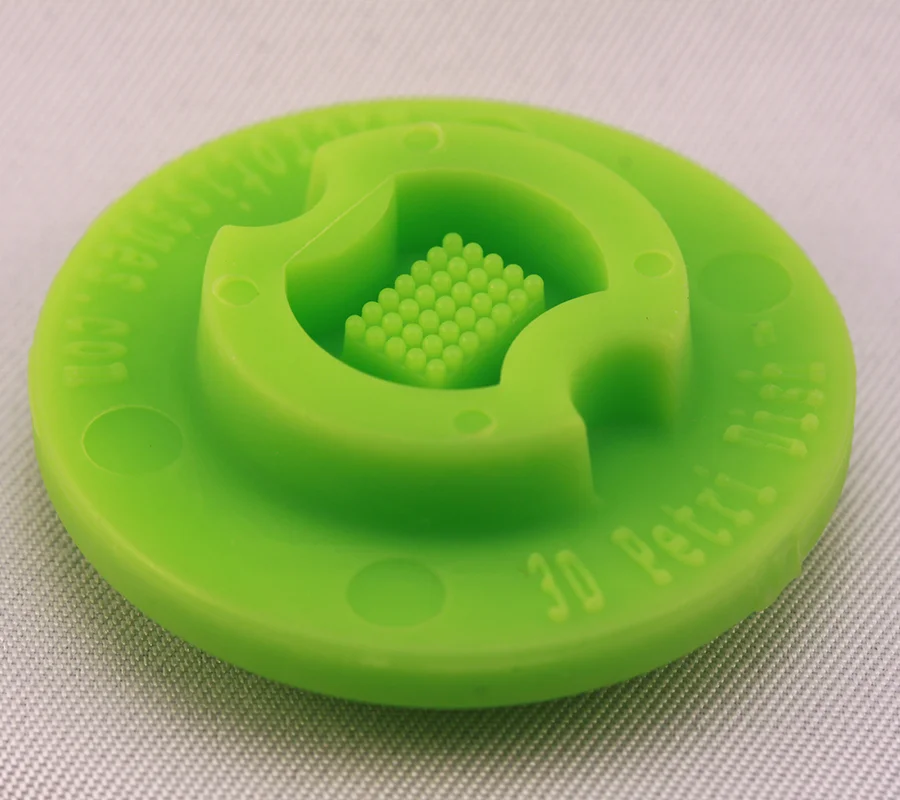
Published in Cellular Reprogramming (2015), this peer-reviewed study used 3D Petri Dish® micro-molds to form scaffold-free 3D microtissues. Full citation: Guo, Yonglong, et al. The Effects of ROCK Inhibitor Y-27632 on Injectable Spheroids of Bovine Corneal Endothelial Cells
The Effects of ROCK Inhibitor Y-27632 on Injectable Spheroids of Bovine Corneal Endothelial Cells
Research Overview
Both 3D spheroid culture and the ROCK inhibitor Y-27632 are known to support cell viability and proliferation. This study combined them, examining Y-27632’s effect on the growth and injectability of bovine corneal endothelial cells maintained as spheroids.
Immunofluorescence confirmed Y-27632 did not alter corneal endothelial cell type specificity, while Live/Dead, EdU labeling, and CCK-8 assays showed significantly enhanced spheroid viability and proliferation. Uniform spheroids formed readily in multiwell agarose micro-molds and displayed higher stemness — relevant to cell-injection therapies for corneal endothelial disease.
Key Discoveries
- Y-27632 enhanced corneal endothelial spheroid viability and proliferation without changing cell identity
- Uniform spheroids formed readily in multiwell agarose micro-molds
- Spheroid culture raised stemness, relevant to injectable corneal cell therapy