Summary
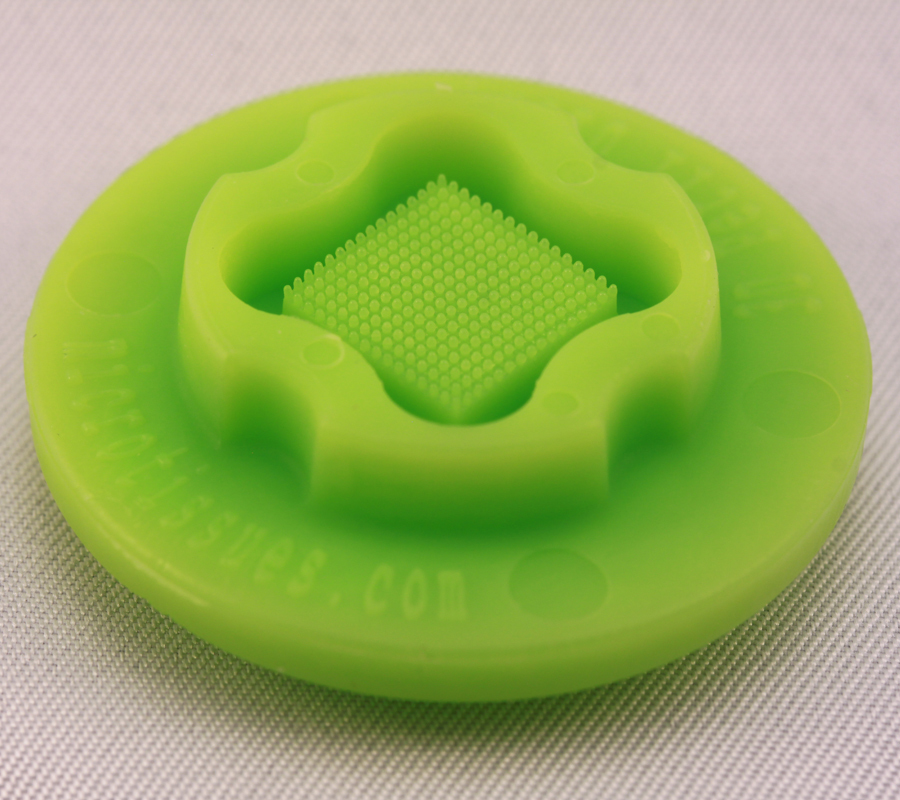
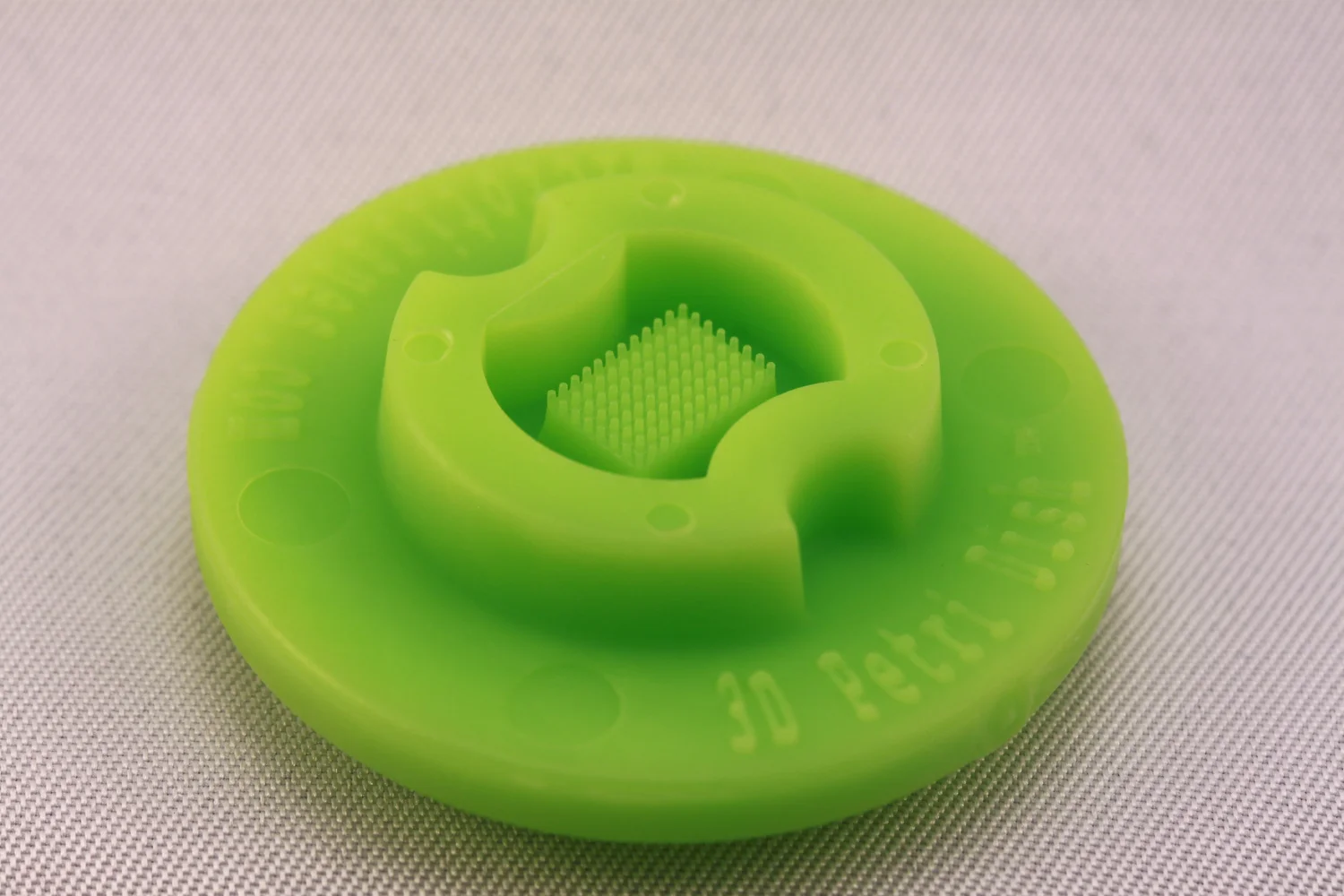
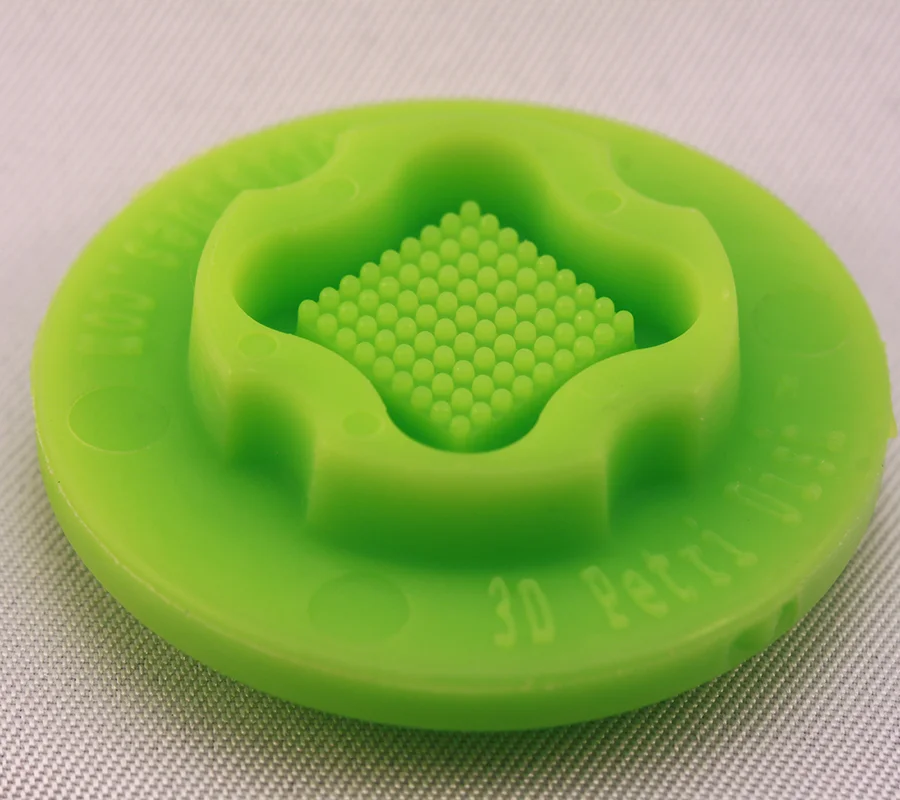
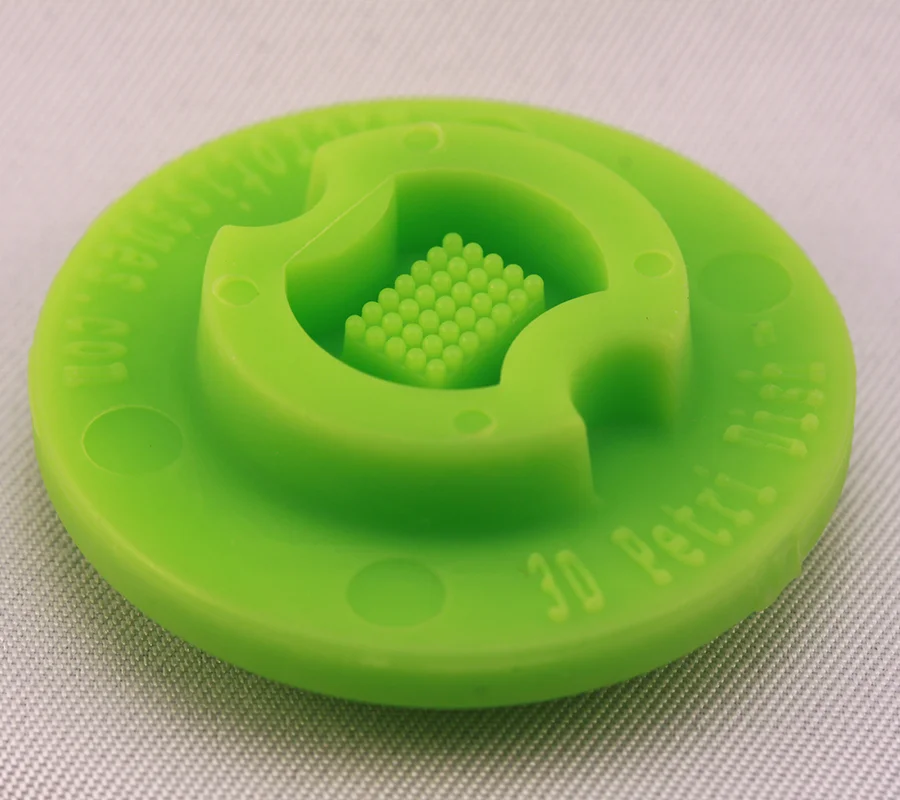
Published in Stem Cell Research & Therapy (2024), this peer-reviewed study used 3D Petri Dish® micro-molds to form scaffold-free 3D microtissues. Full citation: Son, Iltae, et al. 3D spheroids versus 2D-cultured human adipose stem cells to generate smooth muscle cells in an internal anal sphincter-targeting cryoinjured mouse model
3D spheroids versus 2D-cultured human adipose stem cells to generate smooth muscle cells in an internal anal sphincter-targeting cryoinjured mouse model
Research Overview
Whether implanting adipose stem cells as 3D spheroids improves basal sphincter tone in fecal incontinence was unclear. This study compared 3D-spheroid and 2D-cultured human adipose stem cells for differentiation and development of a smooth-muscle contractile phenotype after implantation into an internal anal sphincter-targeted injury model.
The model was created in 60 rats by rapid freezing at −196 °C of the dorsal layers of the sphincter ring’s posterior quarter between the submucosal and muscular layers. Dil-labeled 3D and 2D cells were implanted into randomly allocated cryoinjured animals, and either the entire sphincter ring or the injured region was harvested to assess marker expression.
Key Discoveries
- Cryoinjury (−196 °C) internal anal sphincter model established in 60 rats
- 3D-spheroid versus 2D-cultured human adipose stem cells compared after implantation
- Assessed smooth-muscle contractile phenotype development at the injury site