Summary
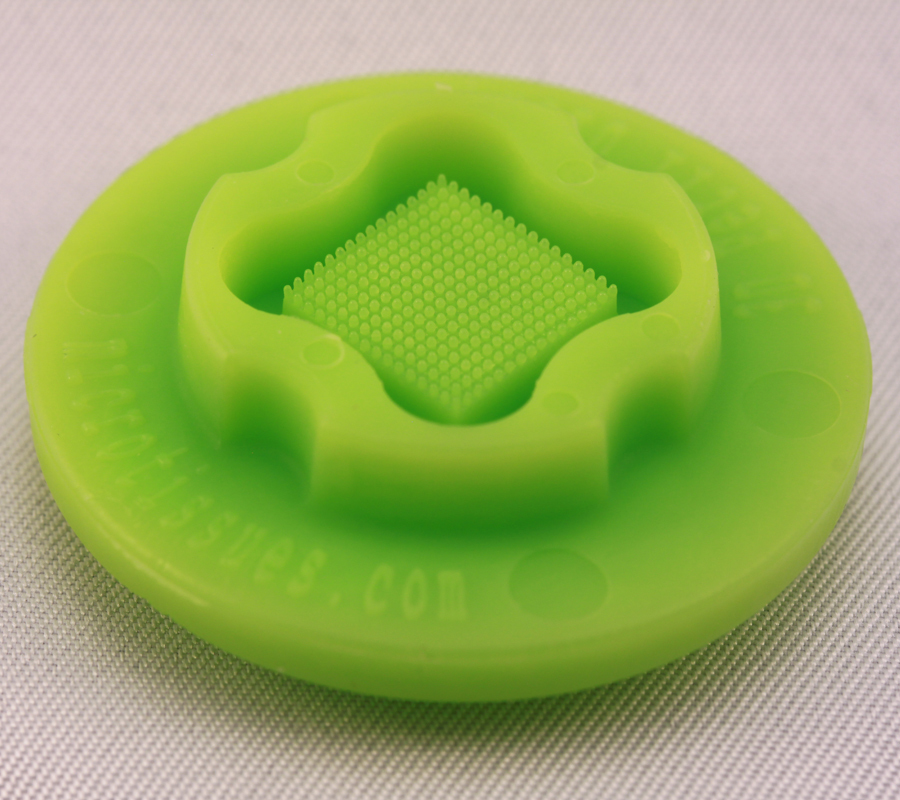
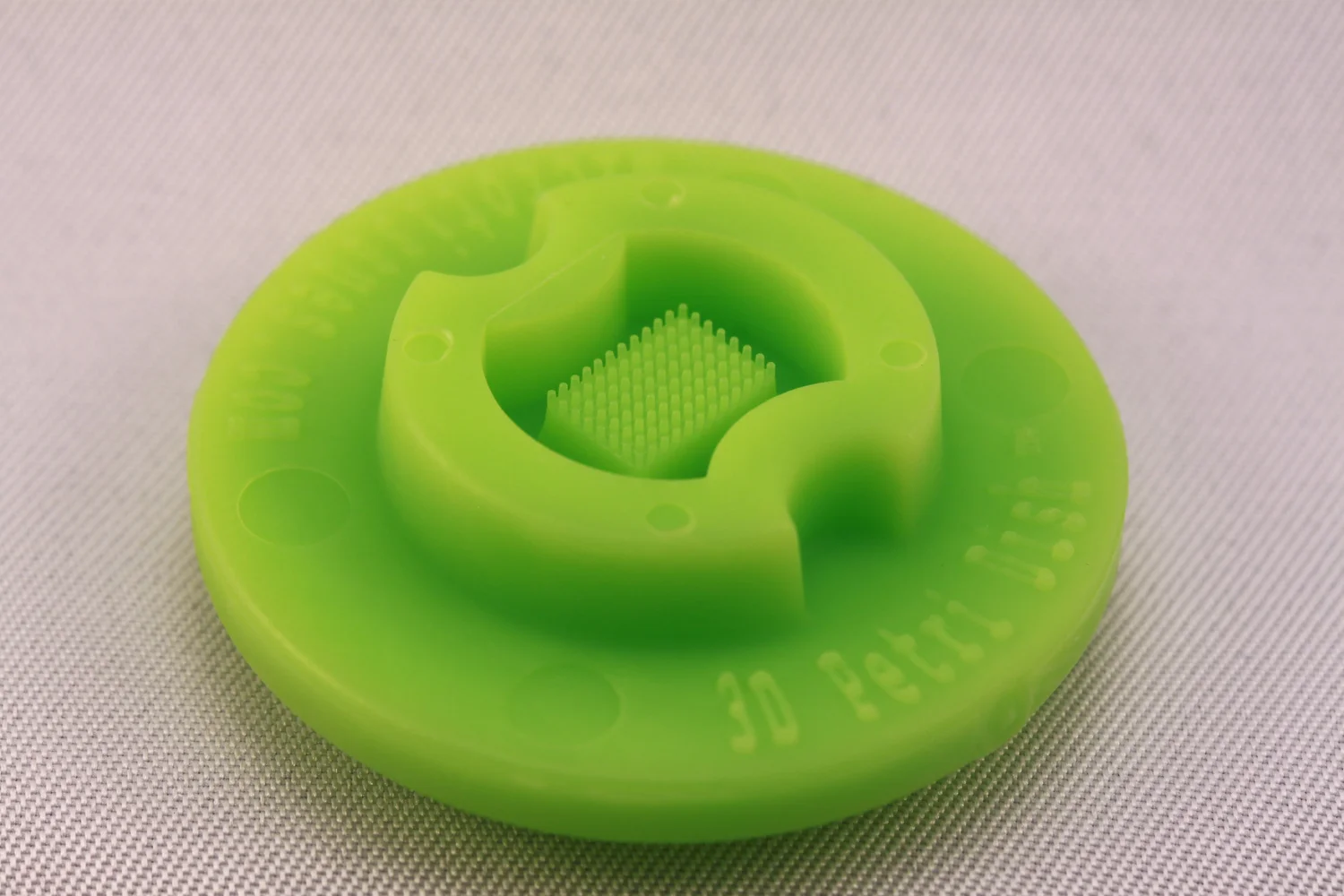
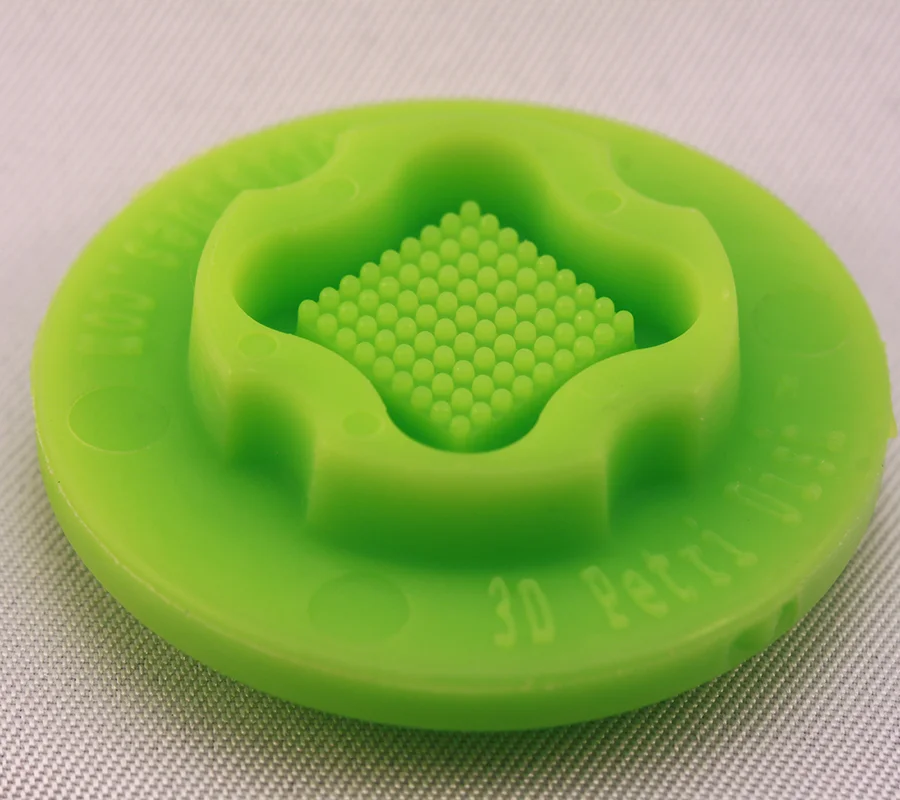
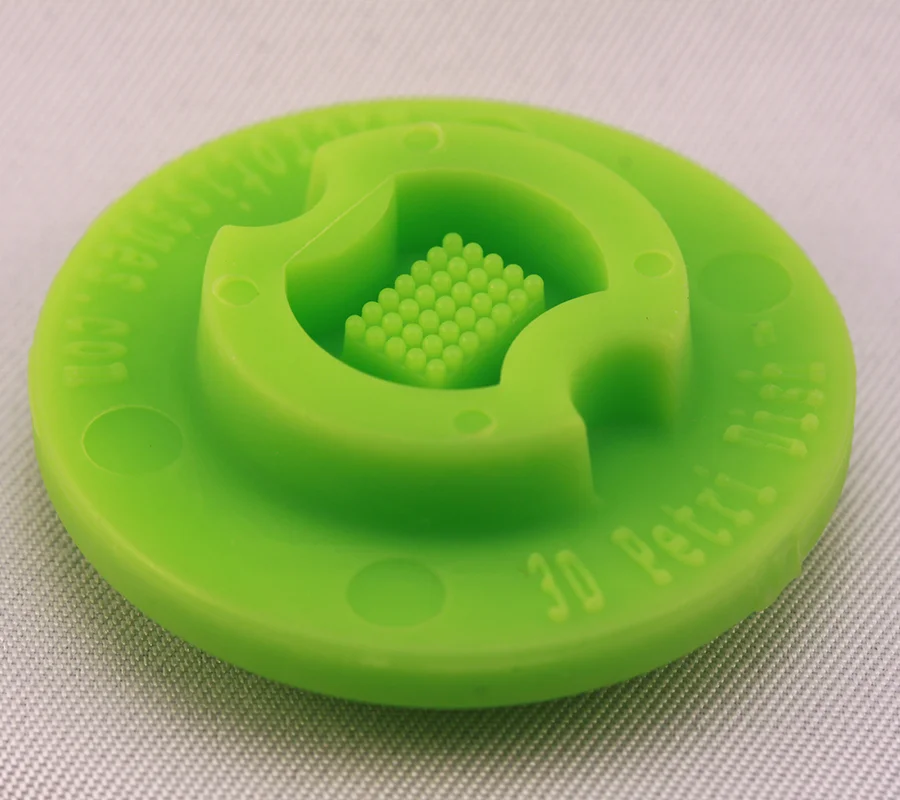
Published in Bioactive Materials (2026), this peer-reviewed study used 3D Petri Dish® micro-molds to form scaffold-free 3D microtissues. Full citation: Kim, Byulhana, et al. AdMSC spheroids encapsulating antioxidant hybrid protein carrier for irradiation-damaged salivary gland repair
AdMSC spheroids encapsulating antioxidant hybrid protein carrier for irradiation-damaged salivary gland repair
Research Overview
Radiation therapy for head and neck cancer frequently causes xerostomia — chronic salivary gland dysfunction driven by excess reactive oxygen species — and existing treatments such as artificial saliva only relieve symptoms temporarily. This study built a therapeutic system pairing a glutathione-conjugated gelatin hybrid protein carrier with adipose-derived mesenchymal stem cell spheroids.
The carrier extended glutathione’s antioxidant activity past its naturally short half-life and enabled efficient encapsulation and delivery of the spheroids to irradiation-damaged glands. The 3D spheroids raised VEGF expression through hypoxic core formation, promoting angiogenesis, and the spheroid-loaded carrier was then tested in an irradiation-damaged mouse model.
Key Discoveries
- Glutathione-conjugated gelatin carrier prolonged antioxidant activity and encapsulated AdMSC spheroids
- Spheroid hypoxic cores raised VEGF expression, promoting angiogenesis
- Tested in an irradiation-damaged salivary gland mouse model of xerostomia