Summary
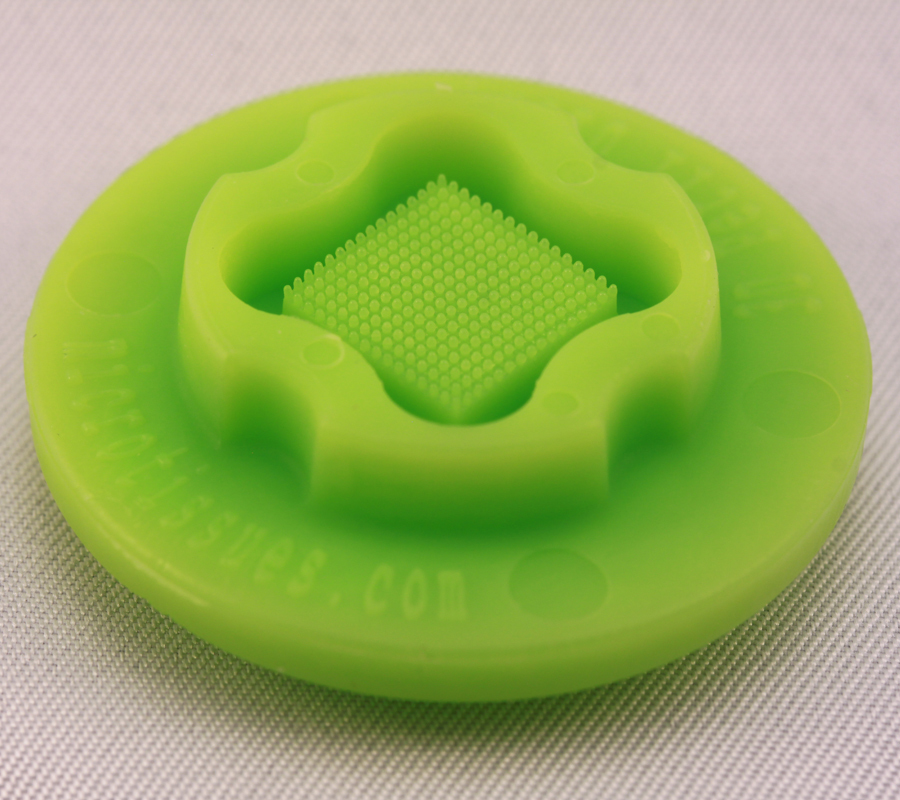
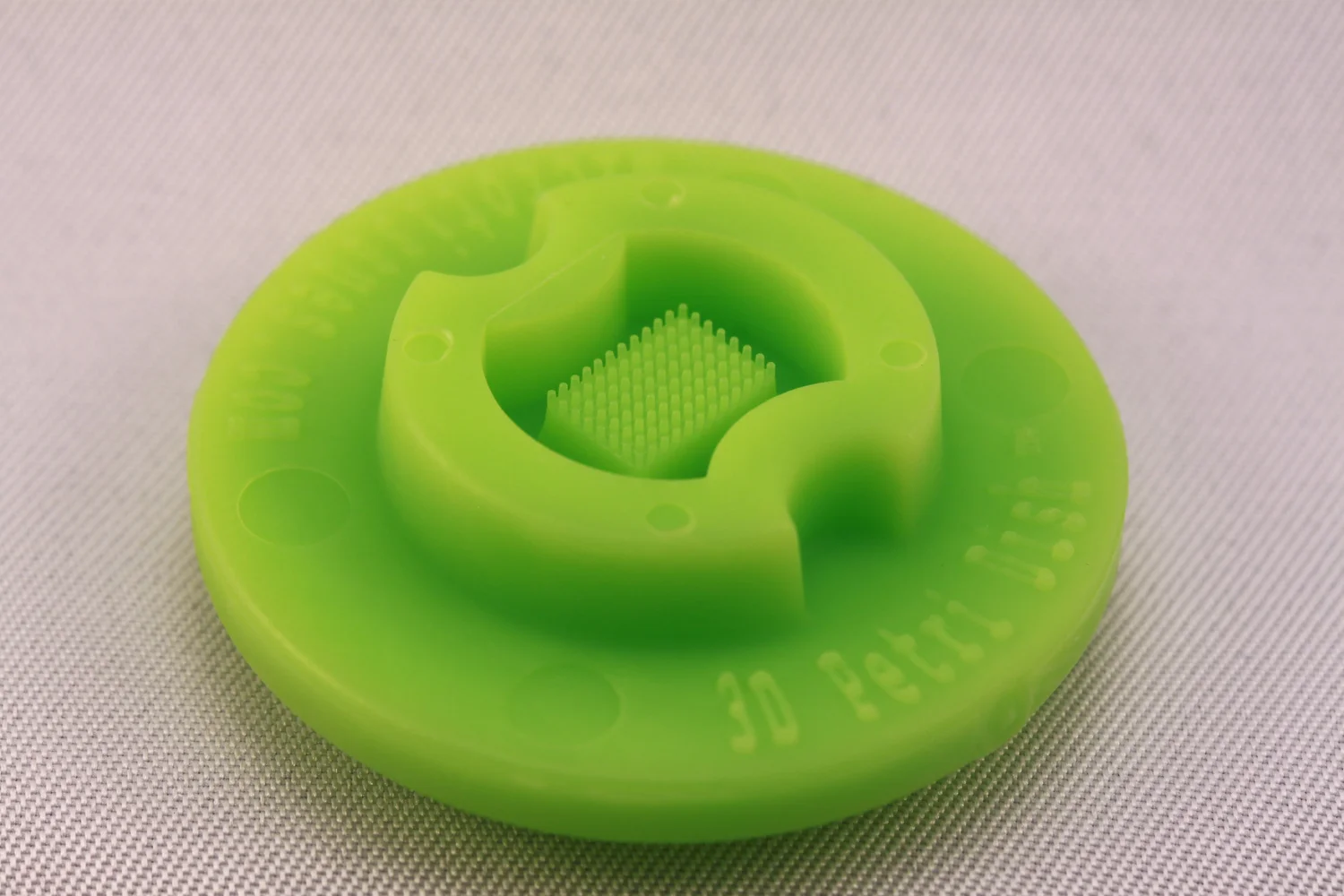
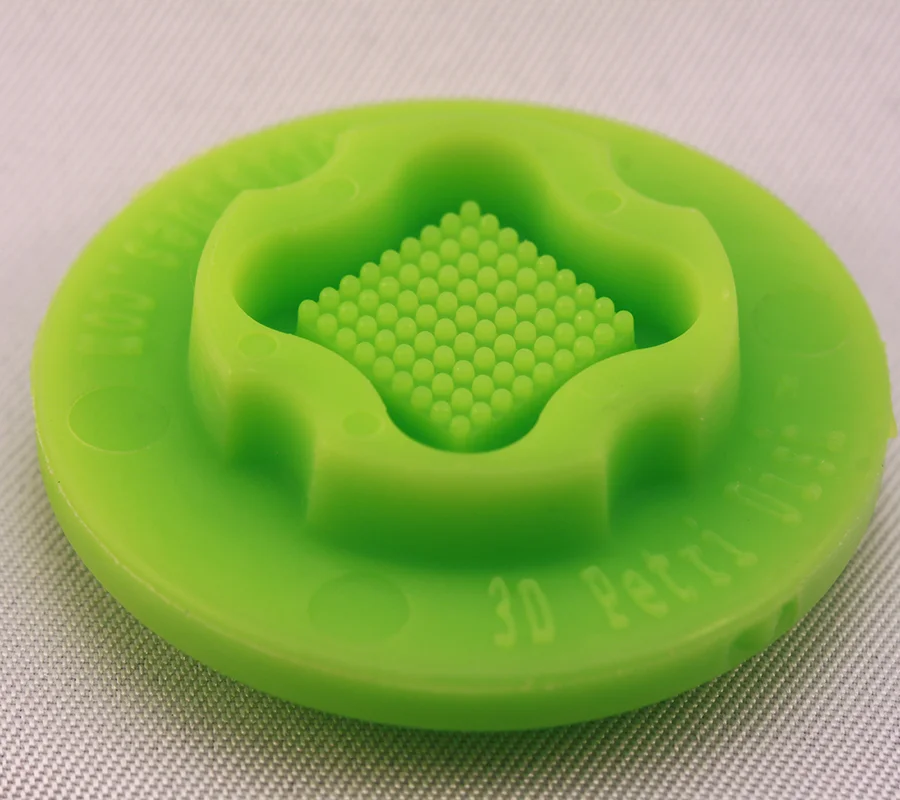
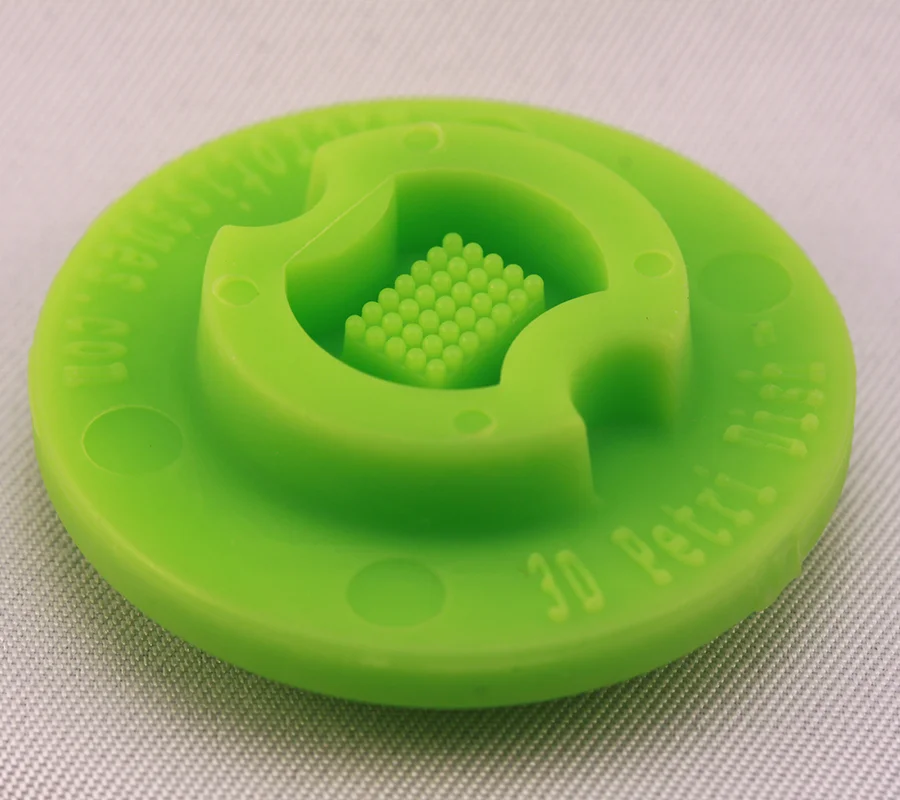
Published in Human Reproduction Open (2025), this peer-reviewed study used 3D Petri Dish® micro-molds to form scaffold-free 3D microtissues. Full citation: Madureira Silva, Samuel, et al. A new human in vitro model of cytotypic and testosterone-producing organoids derived from testicular tissue of transgender women
A new human in vitro model of cytotypic and testosterone-producing organoids derived from testicular tissue of transgender women
Research Overview
Testicular organoids are a promising tool for studying testis function and toxicant effects, and immature testicular cells form the most faithful organoids — but immature human tissue is scarce, which limits high-throughput use. This study asked whether testicular tissue from trans women, which is abundantly available and immature in phenotype, could fill that gap.
The answer was yes: testosterone-producing, cytotypic human testicular organoids with bicompartmental architecture were generated from trans tissue. Organoids were compared histologically and for androgen output against reference organoids to establish how closely they reproduce seminiferous-tubule-like structure and function.
Key Discoveries
- Testicular tissue from trans women yielded functional human testicular organoids
- Organoids showed bicompartmental architecture and produced testosterone
- Offers an abundant immature-tissue source for high-throughput testicular research