Summary
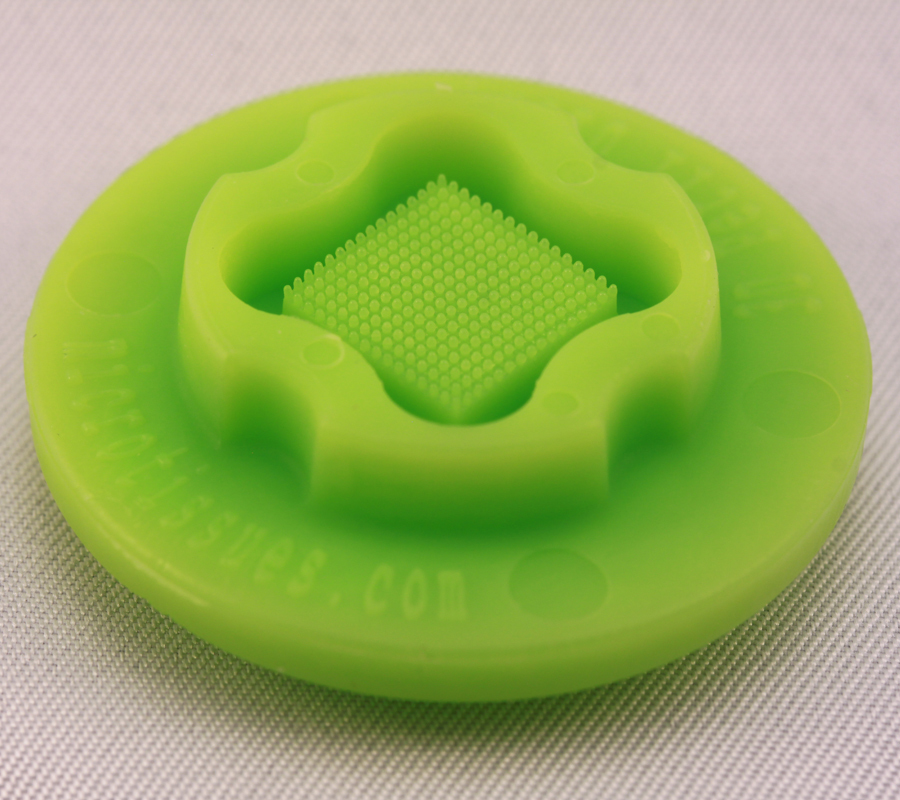
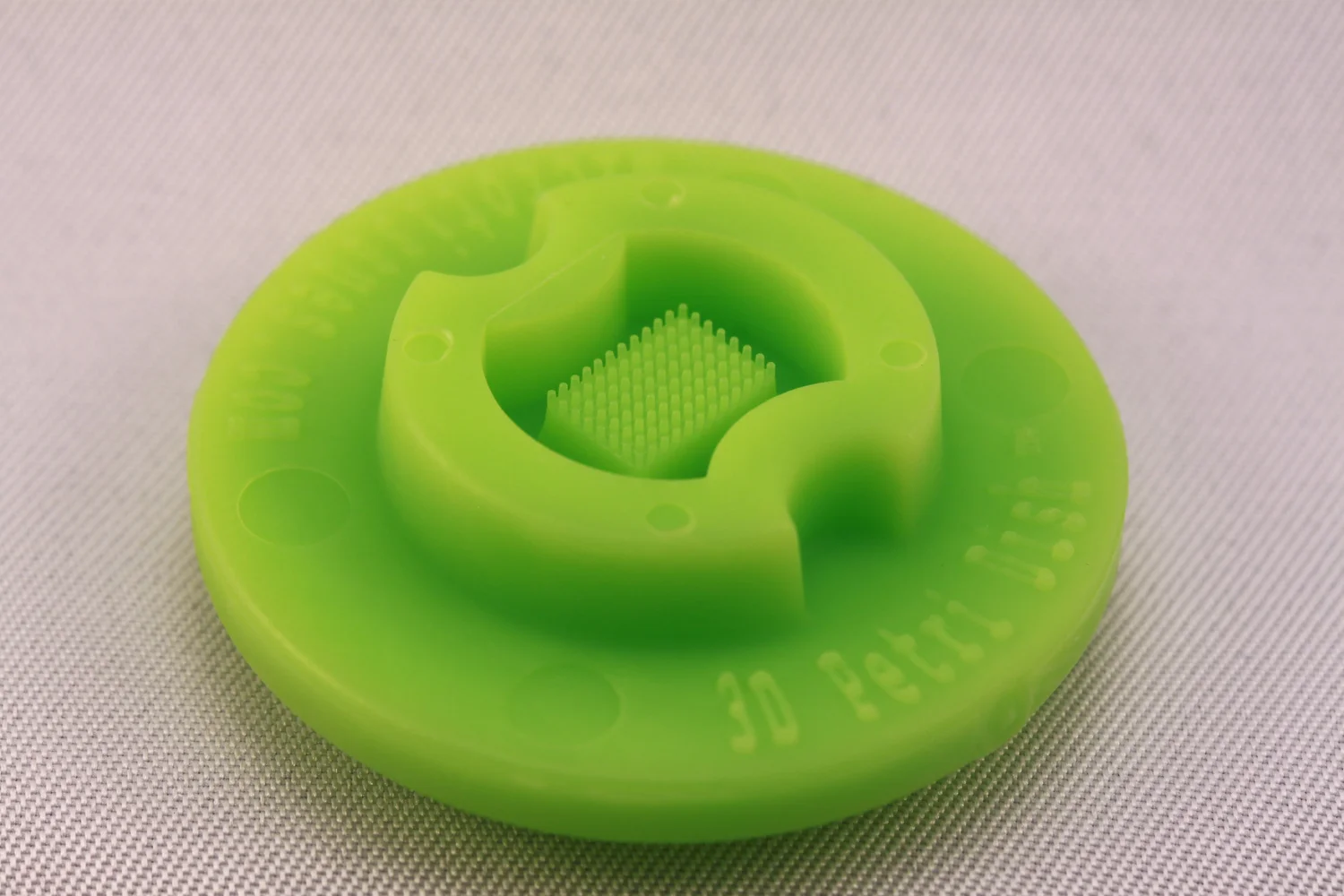
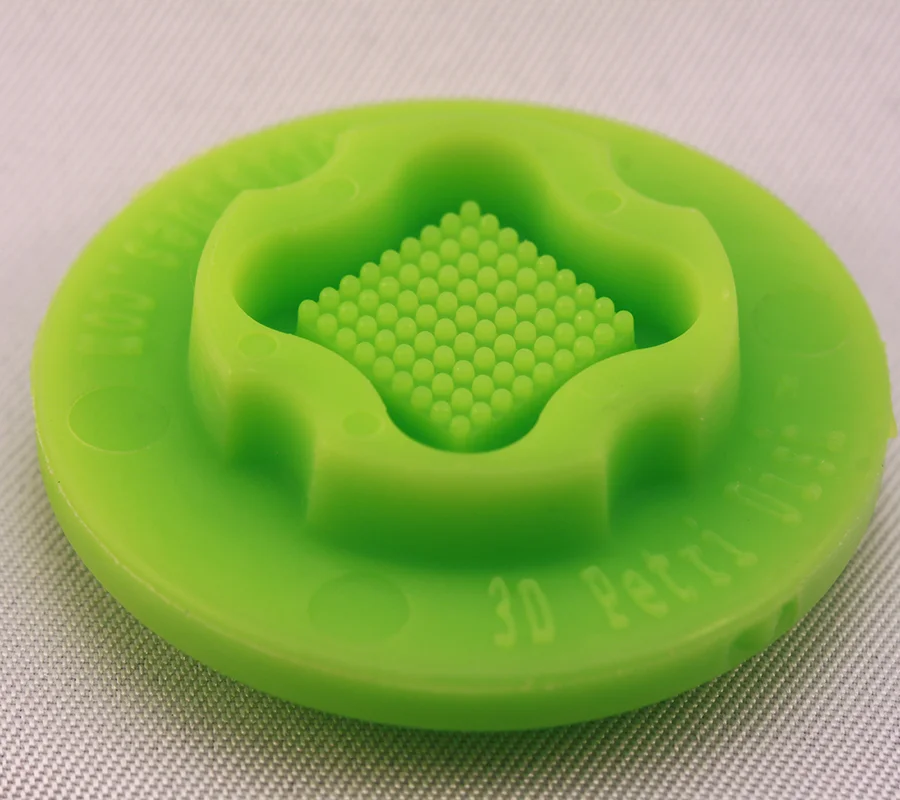
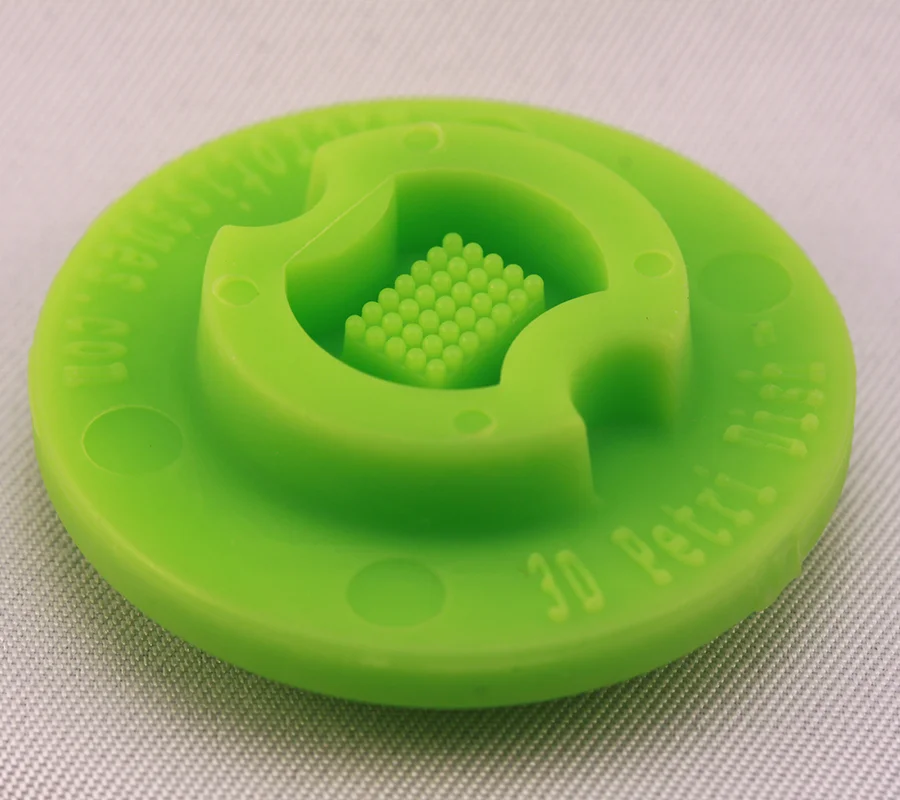
Published in Tissue Engineering Part A (2019), this peer-reviewed study used 3D Petri Dish® micro-molds to form scaffold-free 3D microtissues. Full citation: Coyle, Robert, et al. The Effects of Metabolic Substrate Availability on Human Adipose-Derived Stem Cell Spheroid Survival
The Effects of Metabolic Substrate Availability on Human Adipose-Derived Stem Cell Spheroid Survival
Research Overview
Adipose-derived stem cell spheroids show promise for treating ischemic injury, but the low glucose and oxygen of ischemic tissue limits their survival after transplantation. This study used an in vitro system to test how varying glucose and oxygen concentrations affect viability of spheroids of different radii (115–215 µm).
Low viability improved with higher glucose but not with more oxygen — an unexpected result identifying glucose, not oxygen, as the limiting substrate. A computational model of nutrient transport was then built to explain the experimental findings and predict how spheroid size interacts with nutrient availability.
Key Discoveries
- Viability of adipose stem cell spheroids improved with glucose but not with added oxygen
- Spheroid radii from 115 to 215 µm tested against varying substrate concentrations
- Computational nutrient-transport model developed to explain the experimental results