Summary
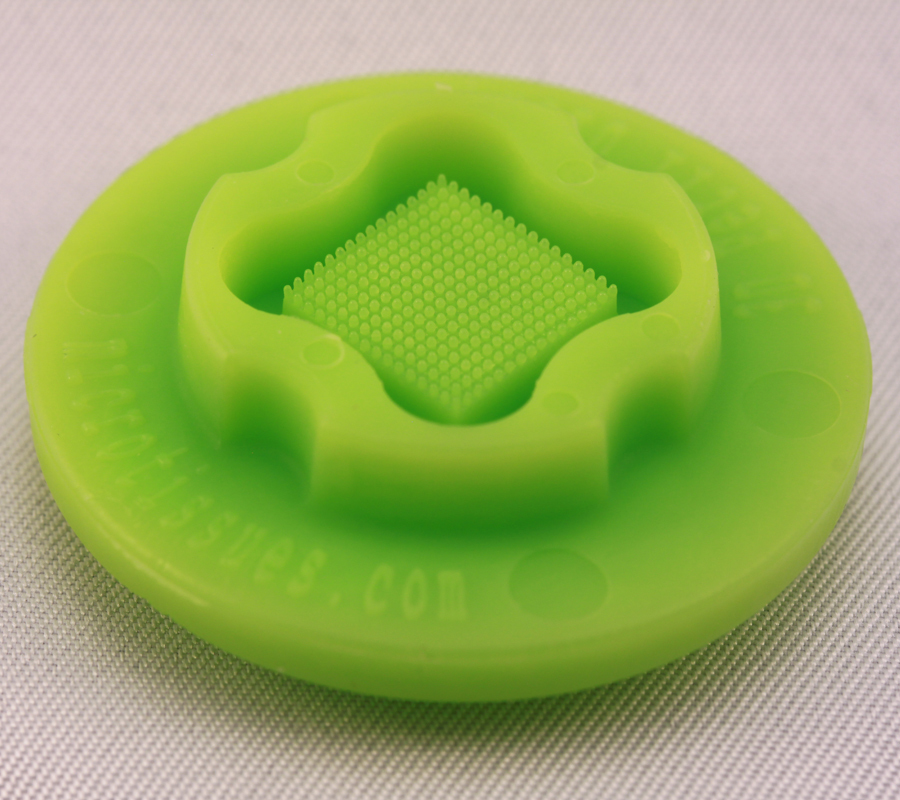
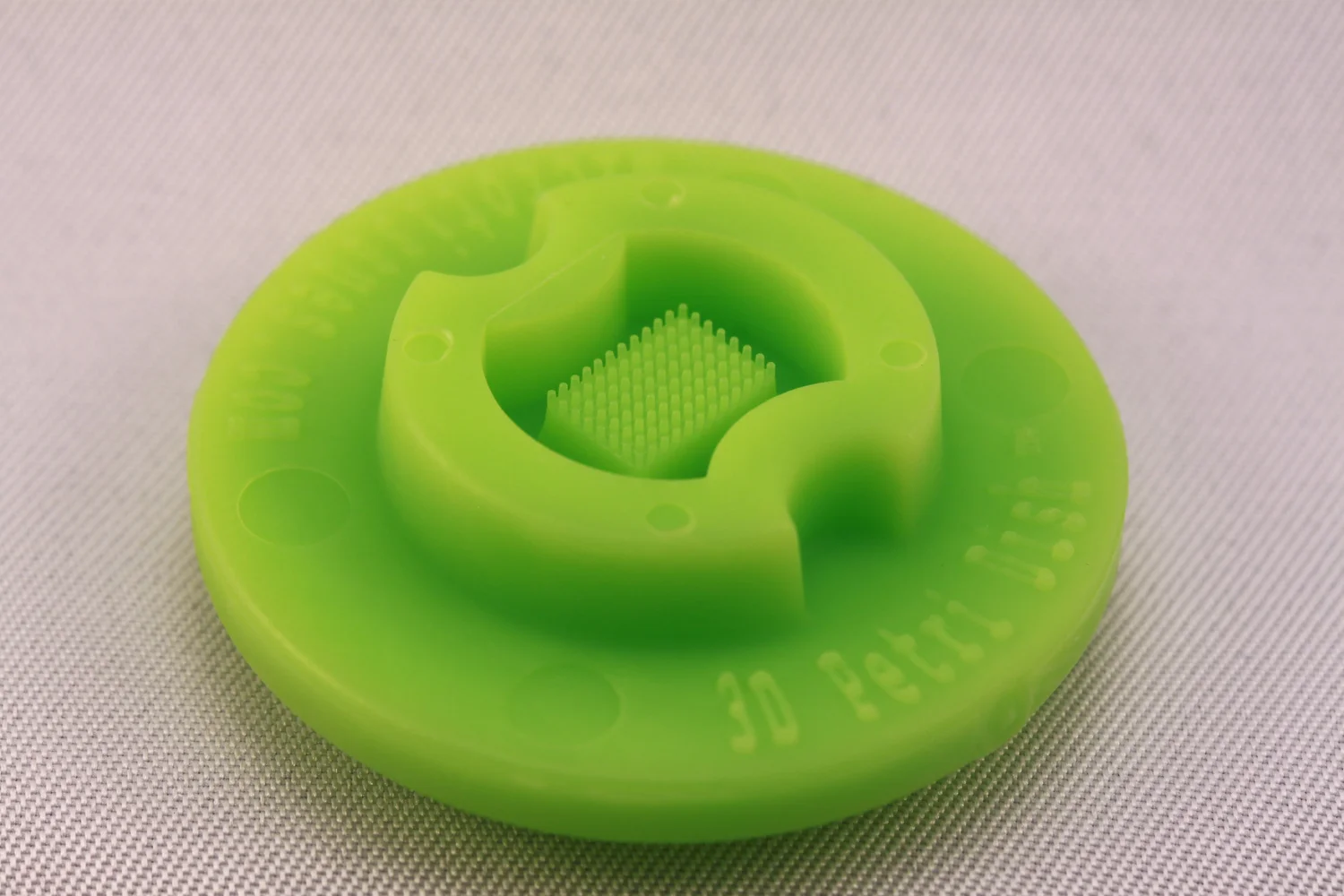
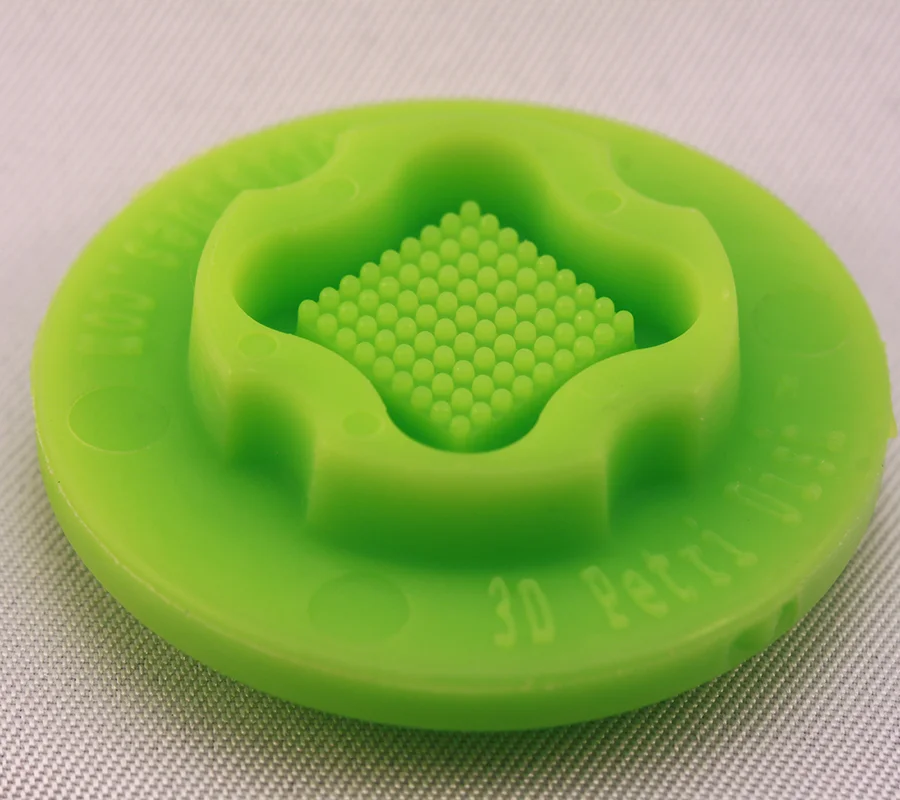
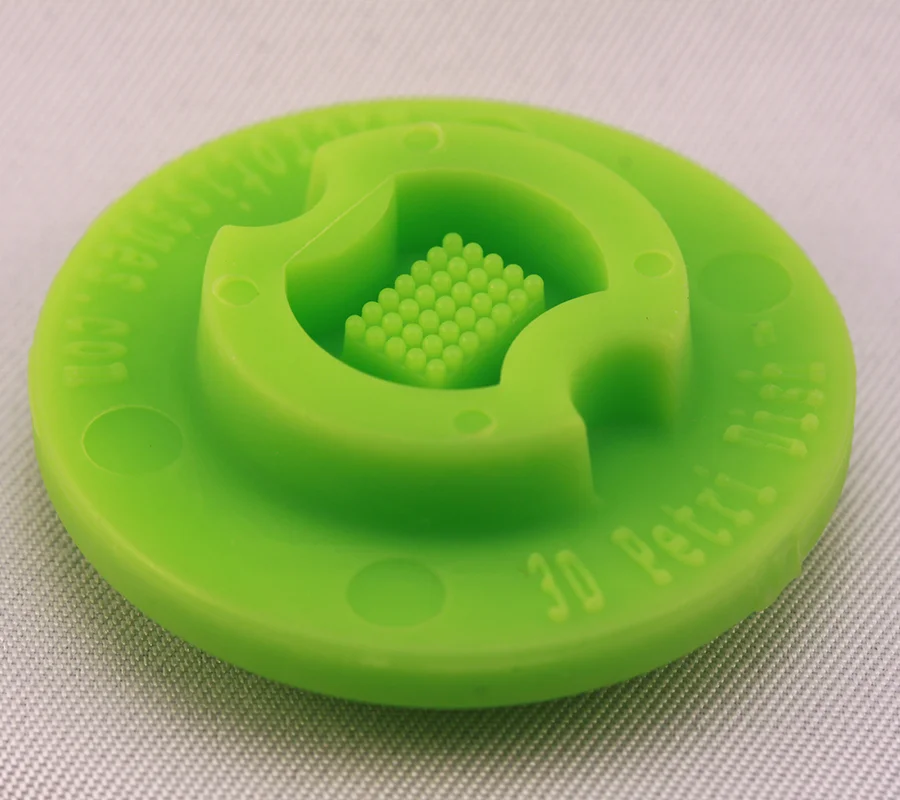
Published in Biofabrication (2020), this peer-reviewed study used 3D Petri Dish® micro-molds to form scaffold-free 3D microtissues. Full citation: Edmonds, Maxwell E, et al. Testicular organoid formation is a property of immature somatic cells, which self-assemble and exhibit long-term hormone-responsive endocrine function
Testicular organoid formation is a property of immature somatic cells, which self-assemble and exhibit long-term hormone-responsive endocrine function
Research Overview
Testicular organoids support study of testicular physiology, development, and spermatogenesis, but few studies compare generation methods side by side. This work directly tested whether the culture microenvironment is the prime determinant of organoid self-assembly.
Using Matrigel as a representative extracellular matrix, the authors compared four environments — 2D and 3D, with and without matrix — for self-assembly of immature murine testicular cells. De novo tissues appeared in all four within 72 hours, but only the 2D-with-matrix and 3D matrix-free conditions produced tissues meeting the definition of organoids, showing that assembly and true organoid identity are not the same thing.
Key Discoveries
- Four culture environments compared head-to-head for testicular organoid self-assembly
- De novo tissue formed in all conditions within 72 hours, but only two produced true organoids
- 3D matrix-free culture matched 2D-with-matrix in meeting organoid criteria