Summary
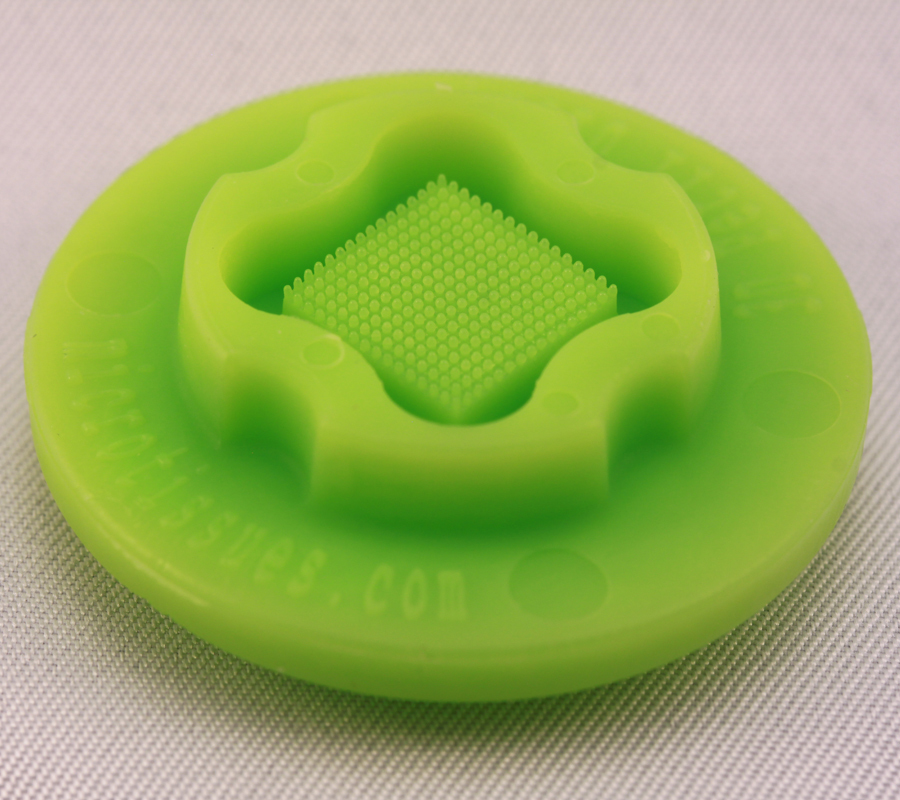
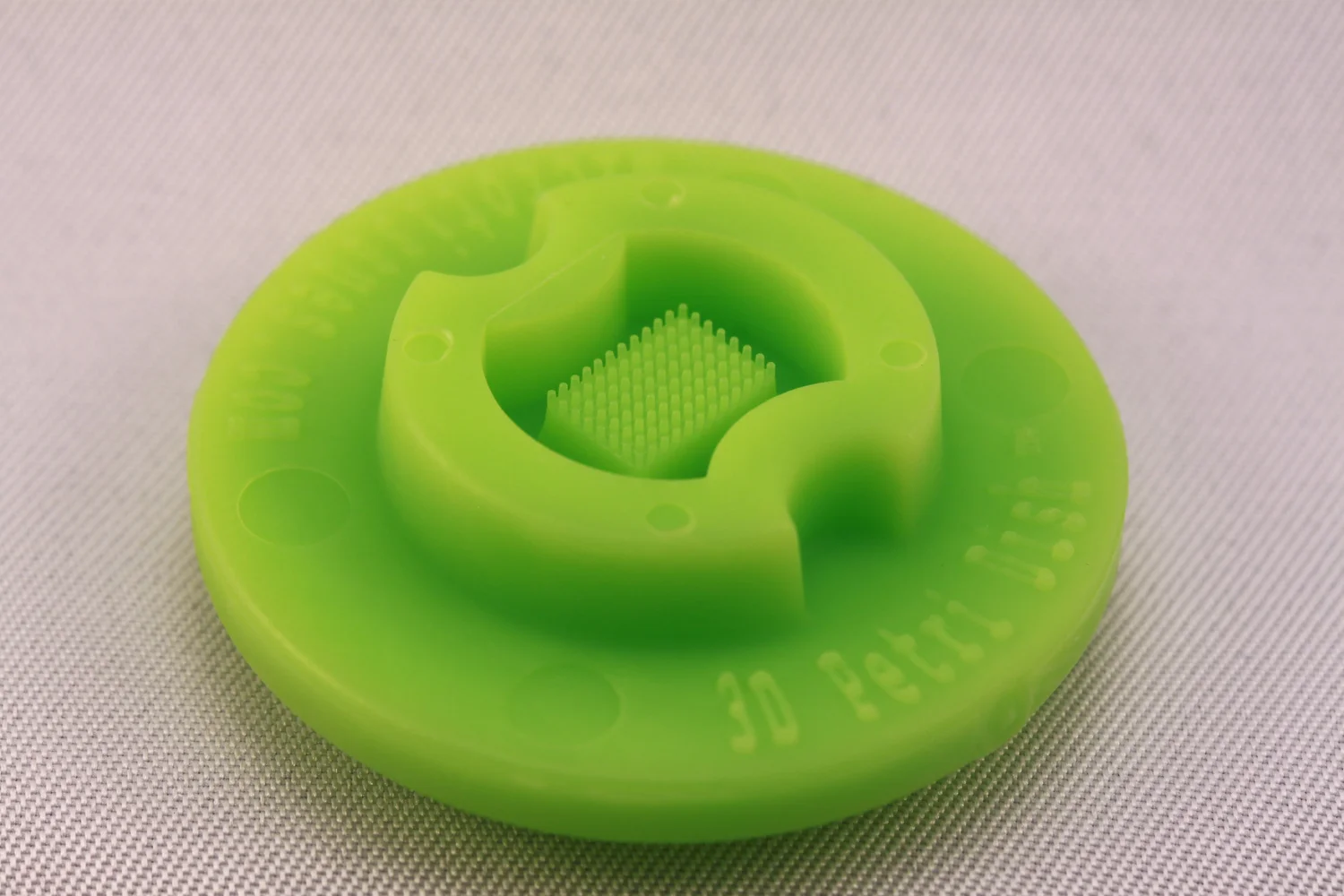
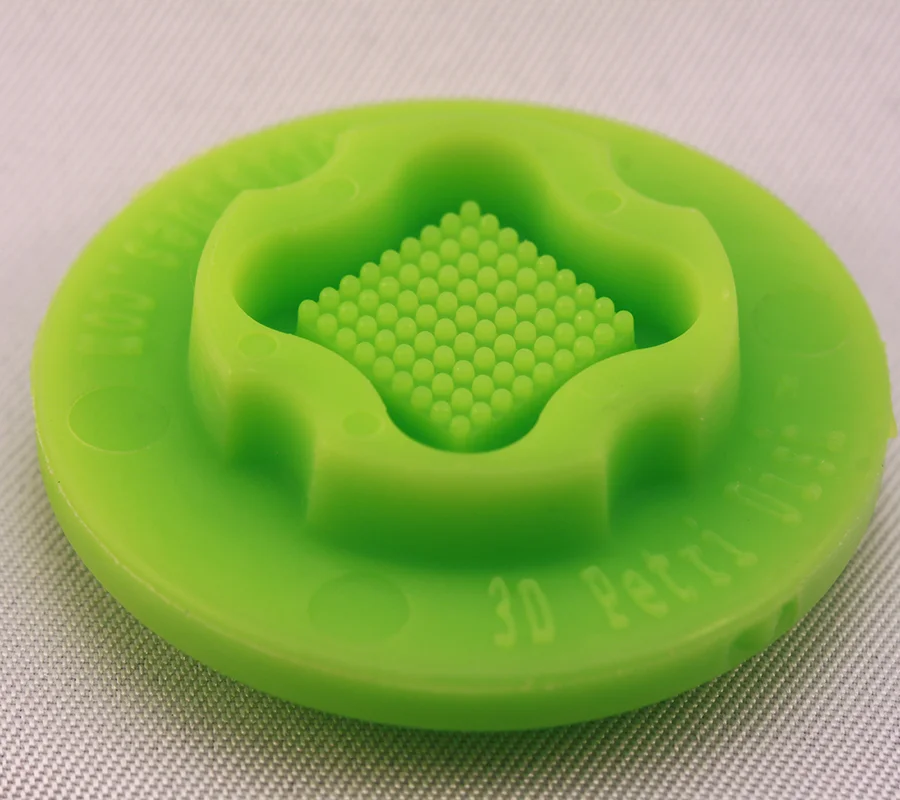
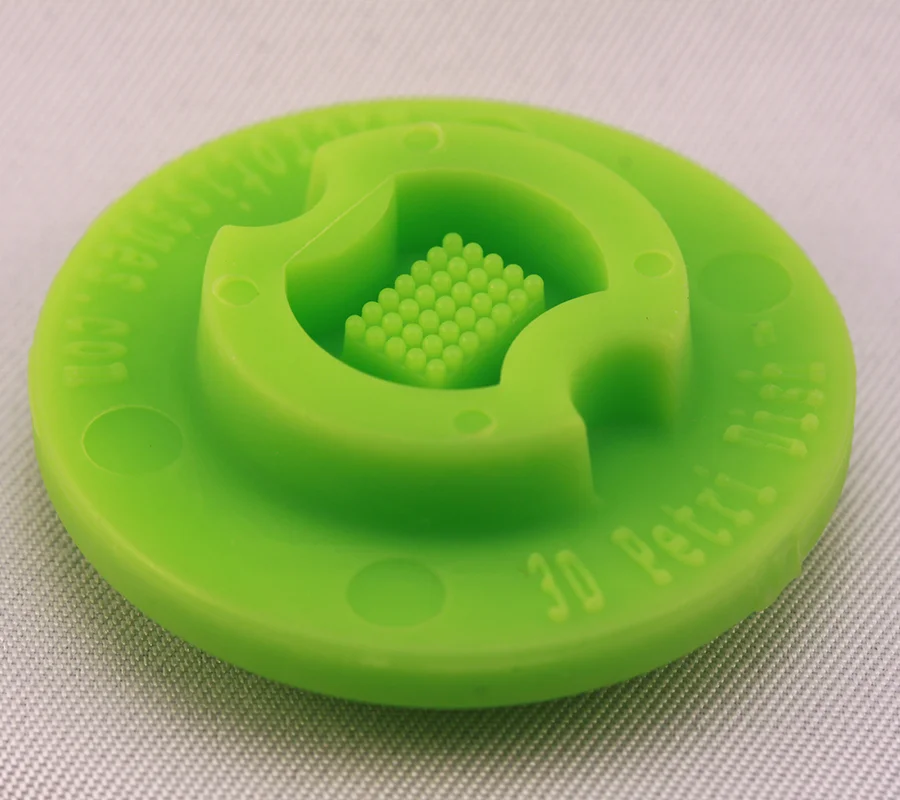
Published in Journal of Bone Oncology (2026), this peer-reviewed study used 3D Petri Dish® micro-molds to form scaffold-free 3D microtissues. Full citation: Lohberger, Birgit, et al. Targeting the Hippo/YAP-TAZ pathway increases X-ray sensitivity in chondrosarcoma spheroids and is associated with autophagic disruption
Targeting the Hippo/YAP-TAZ pathway increases X-ray sensitivity in chondrosarcoma spheroids and is associated with autophagic disruption
Research Overview
Chondrosarcomas are cartilage-forming bone tumors for which surgery is the only curative option; chemotherapy and radiotherapy are blunted by intrinsic resistance. Dysregulated Hippo signaling is linked to progression and therapy resistance in several cancers, but its relevance in chondrosarcoma — and whether targeting it could sensitize tumors to radiation — was unclear.
Spheroids of human chondrosarcoma lines (SW-1353, Cal78) and healthy chondrocytes were treated with the YAP/TAZ inhibitor Verteporfin alone or combined with X-ray irradiation. Viability, Hippo/YAP-TAZ signaling, autophagy markers, DNA damage, apoptosis, ultrastructure, and gene expression were analyzed to test whether Hippo pathway inhibition increases X-ray sensitivity.
Key Discoveries
- Chondrosarcoma and healthy chondrocyte spheroids compared under Verteporfin, X-ray, and the combination
- Readouts spanned viability, YAP/TAZ signaling, autophagy, DNA damage, apoptosis, and ultrastructure
- Tests Hippo pathway inhibition as a radiosensitizing strategy for a tumor with few non-surgical options