Summary
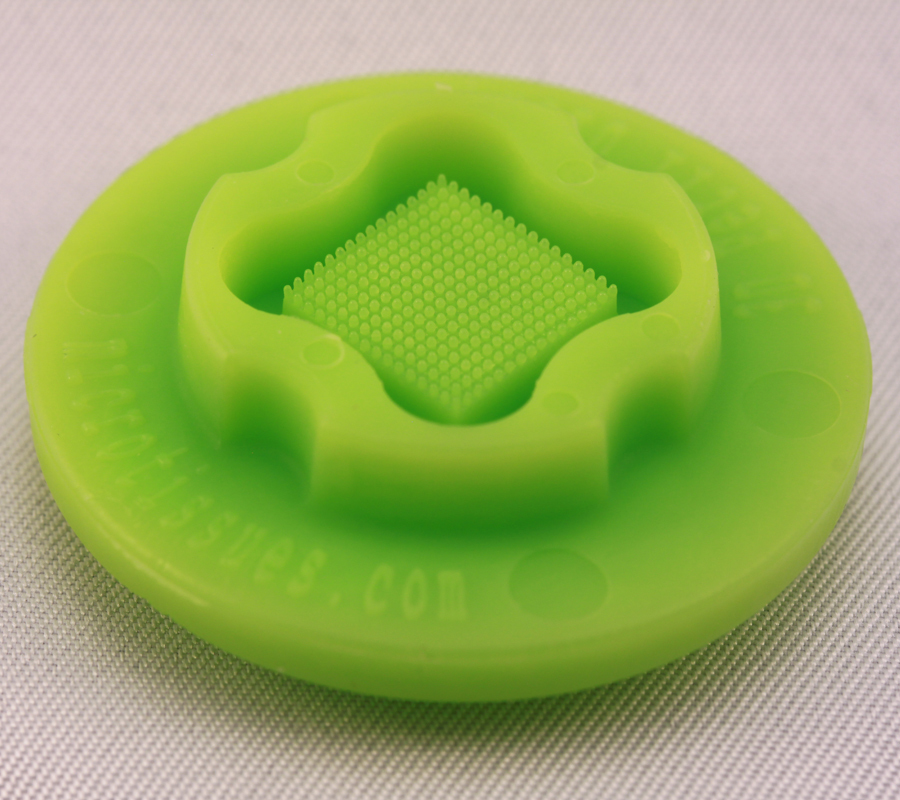
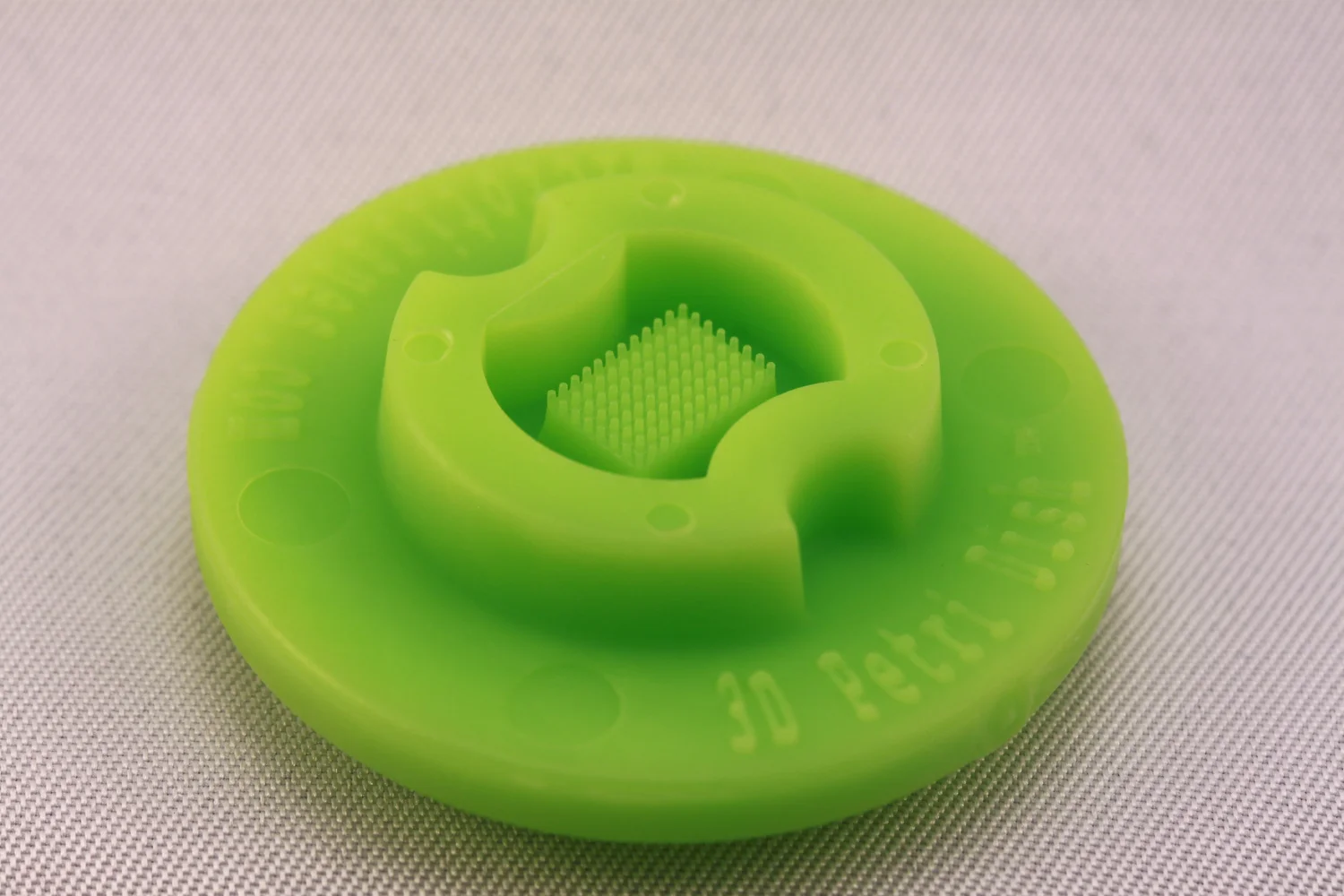
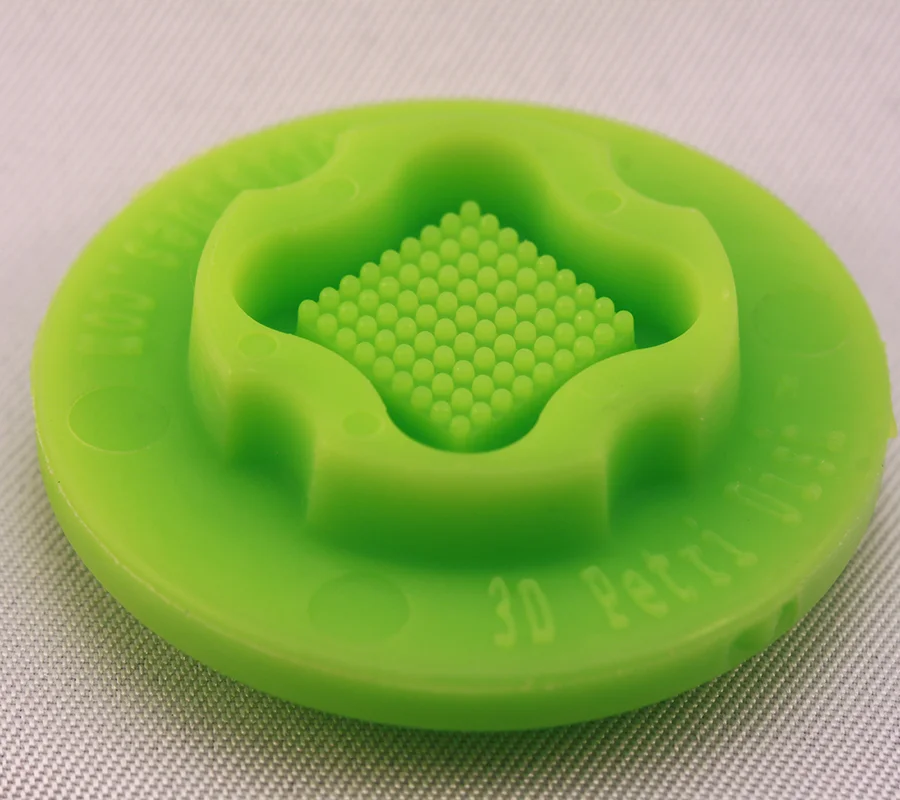
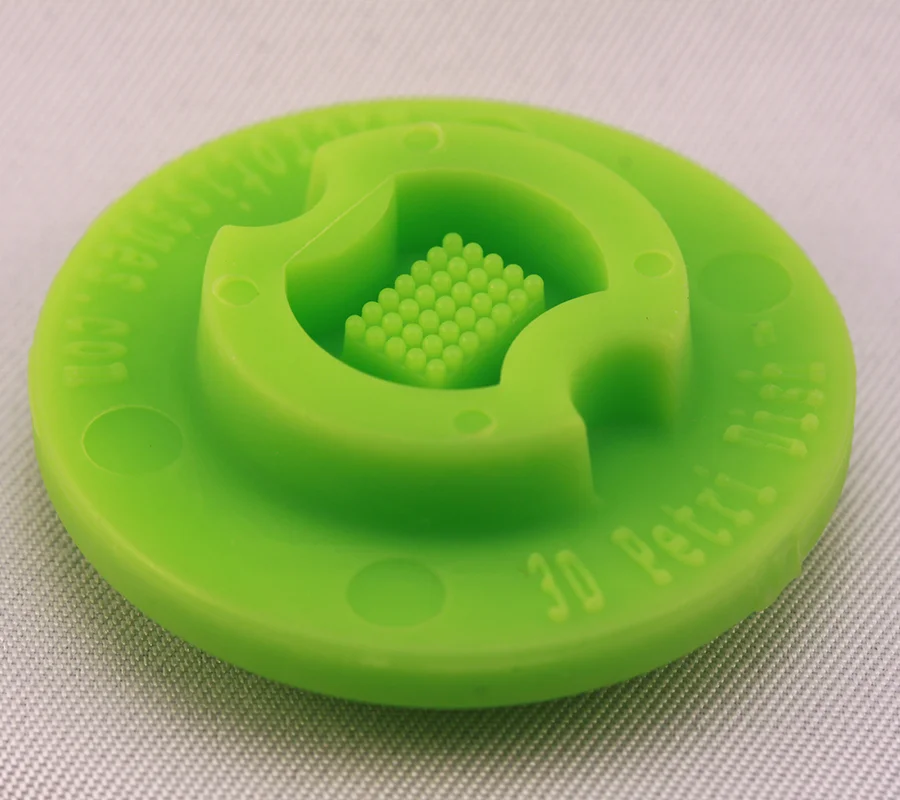
Published in RSC Medicinal Chemistry (2024), this peer-reviewed study used 3D Petri Dish® micro-molds to form scaffold-free 3D microtissues. Full citation: Formánek, Bedřich, et al. Synthesis and migrastatic activity of cytochalasin analogues lacking a macrocyclic moiety
Synthesis and migrastatic activity of cytochalasin analogues lacking a macrocyclic moiety
Research Overview
Cytochalasins are natural products that block actin polymerization and cell migration, but their macrocyclic structure makes them hard to make. This study synthesized simplified cytochalasan analogues lacking the macrocycle and tested whether they retain activity.
Selected analogues showed migrastatic activity against BLM melanoma cells and inhibited actin polymerization, with no cytotoxicity at 50 µM. Activity was less pronounced than natural cytochalasins, but the results establish that the macrocycle is not essential — and that substitution on the core structure is what switches a compound between migrastatic and cytotoxic behavior, opening a route to easily accessible migrastatic agents.
Key Discoveries
- Macrocycle-free cytochalasan analogues retained migrastatic activity against BLM melanoma cells
- Analogues inhibited actin polymerization without cytotoxicity at 50 µM
- Core-structure substitution determines the switch between migrastatic and cytotoxic activity