Summary
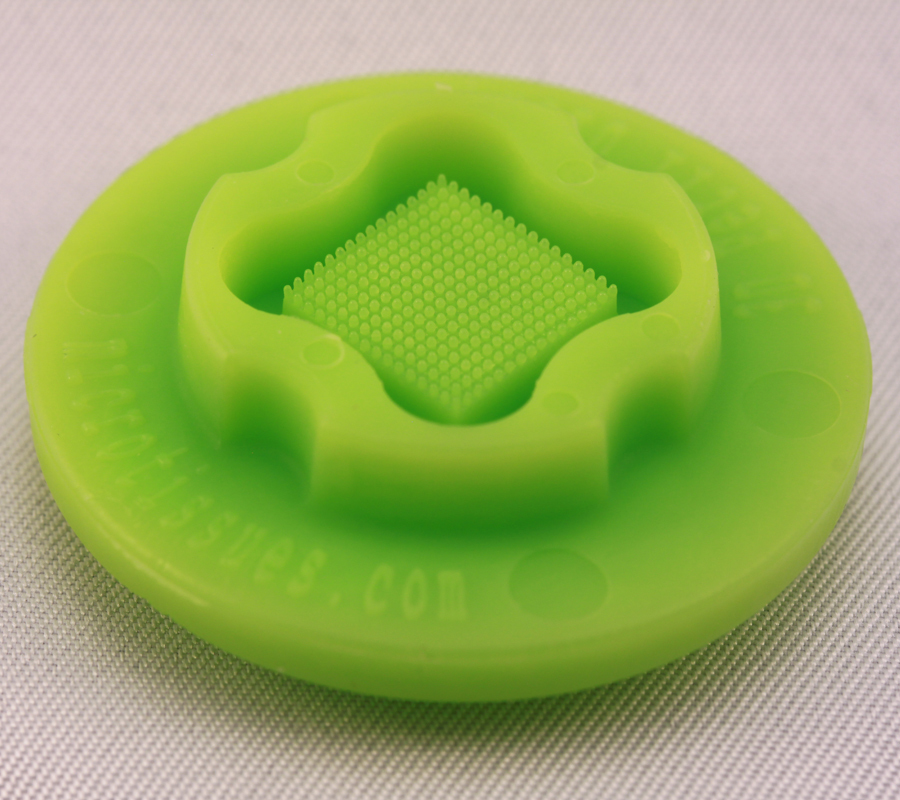
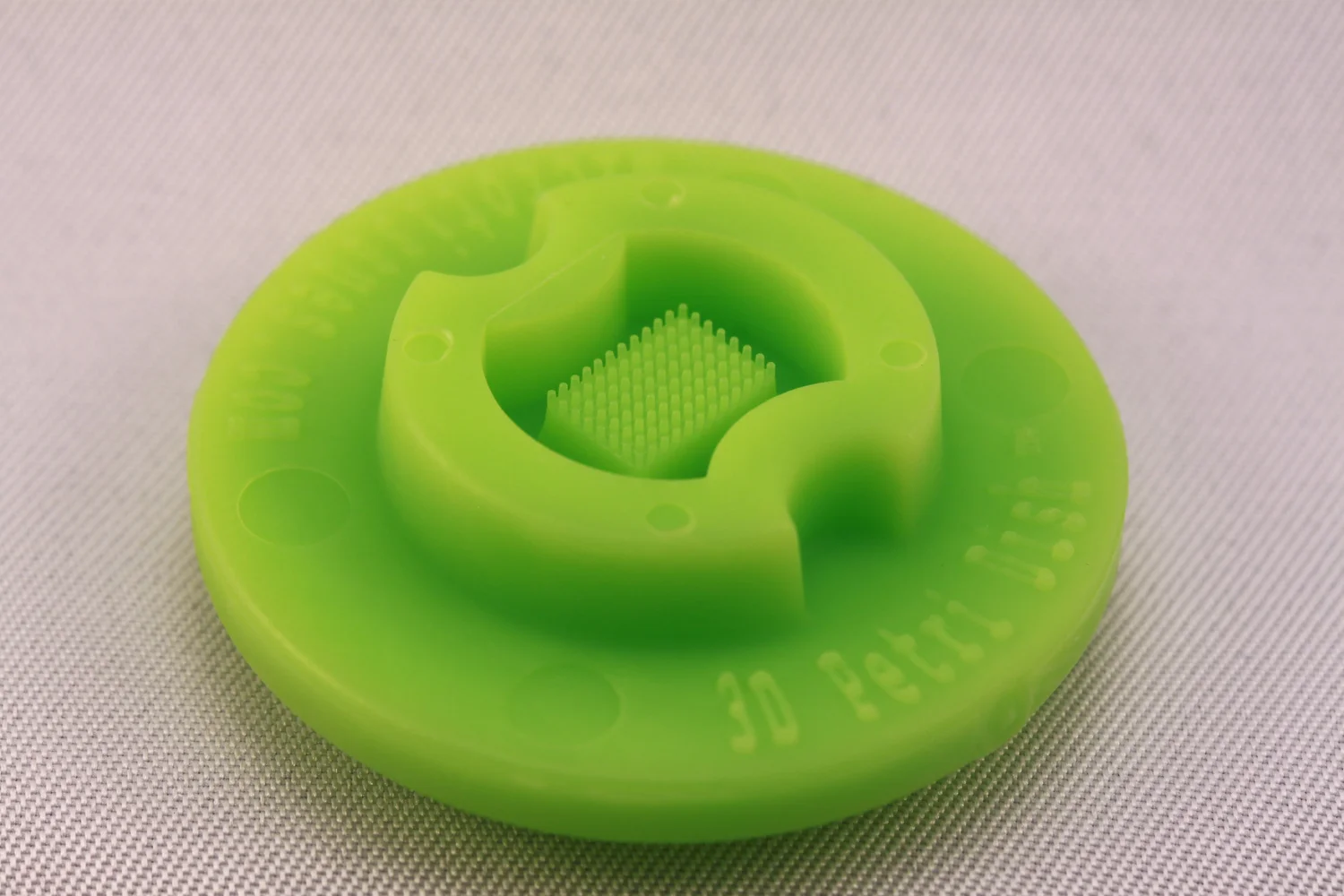
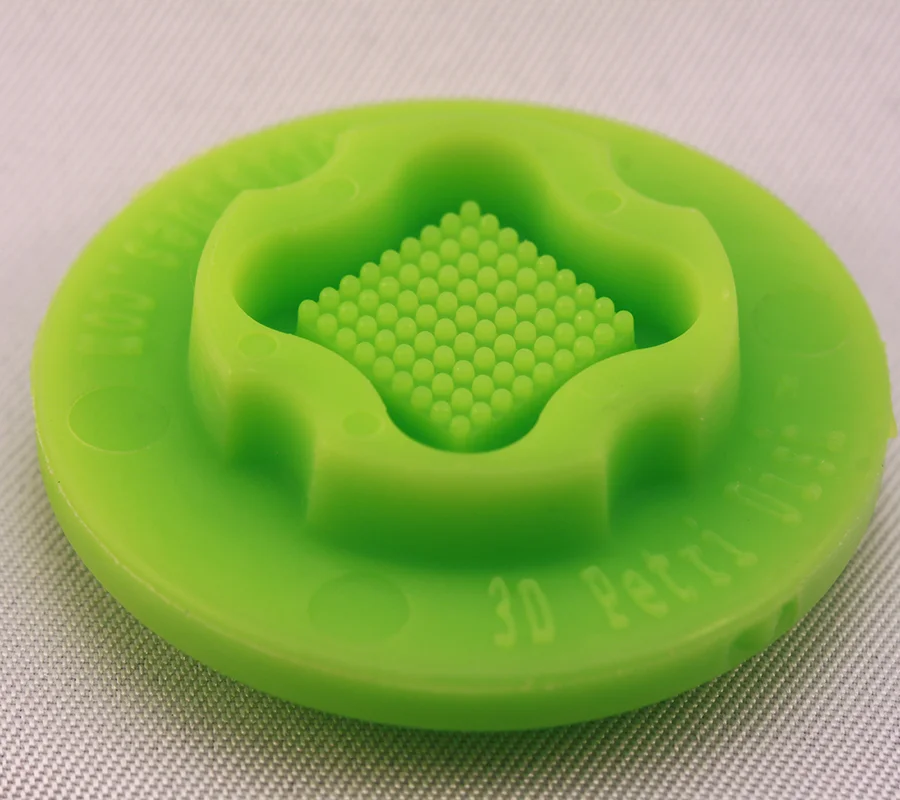
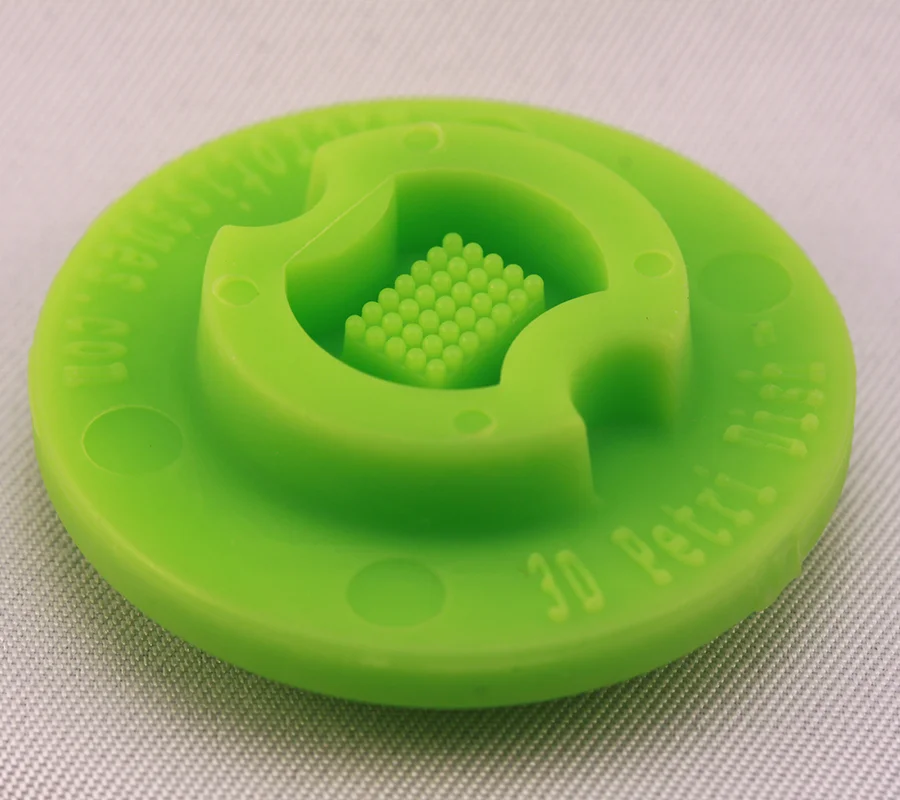
Published in Stem Cells International (2017), this peer-reviewed study used 3D Petri Dish® micro-molds to form scaffold-free 3D microtissues. Full citation: Stuart, Mellannie P., et al. Successful Low-Cost Scaffold-Free Cartilage Tissue Engineering Using Human Cartilage Progenitor Cell Spheroids Formed by Micromolded Nonadhesive Hydrogel
Successful Low-Cost Scaffold-Free Cartilage Tissue Engineering Using Human Cartilage Progenitor Cell Spheroids Formed by Micromolded Nonadhesive Hydrogel
Research Overview
Scaffold-free spheroid approaches offer a way to optimize delivery of engineered cartilage. This study evaluated micro-molded nonadhesive hydrogel (MicroTissues®) for spheroid compaction over two days and spontaneous chondrogenesis over 21 days, using cartilage progenitor cells from human nasal septum — with no chondrogenic stimulus added.
The spheroids showed stable diameter (486 ± 65 µm), high viability (88.1 ± 2.1%), and low apoptosis (2.3%). After compaction, synthesis of TGF-β1, TGF-β2, and TGF-β3 was significantly higher than in monolayer culture — evidence that the 3D format alone drives chondrogenic signaling.
Key Discoveries
- Cartilage progenitor spheroids underwent spontaneous chondrogenesis without chondrogenic stimulus
- Stable 486 ± 65 µm diameter with 88% viability and only 2.3% apoptosis
- TGF-β1, TGF-β2, and TGF-β3 synthesis significantly exceeded monolayer culture