Summary
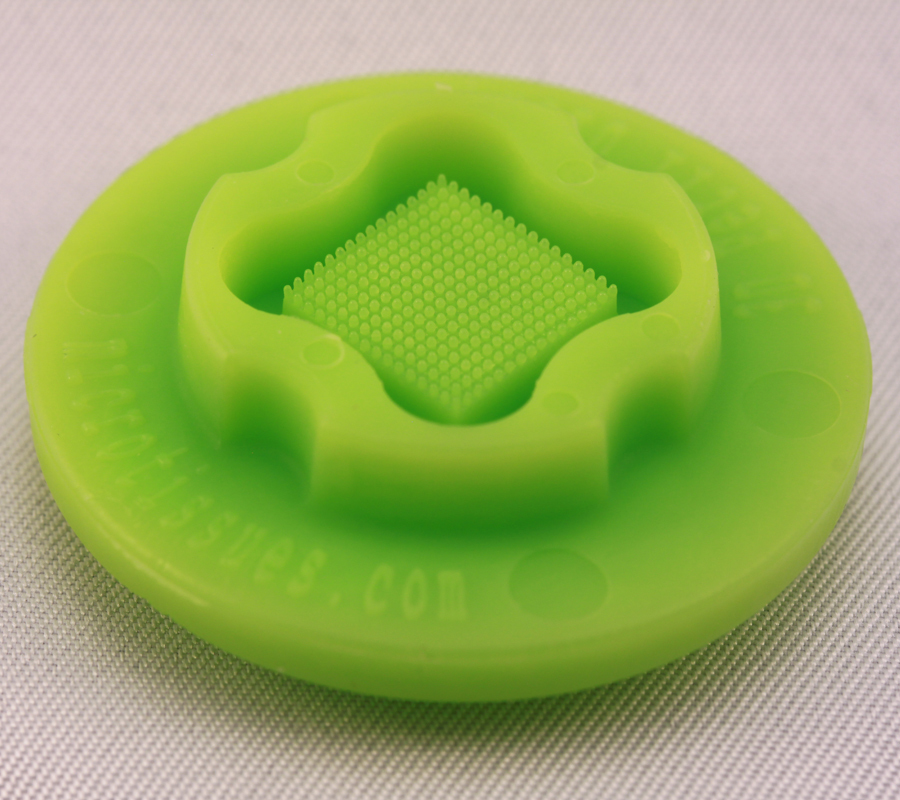
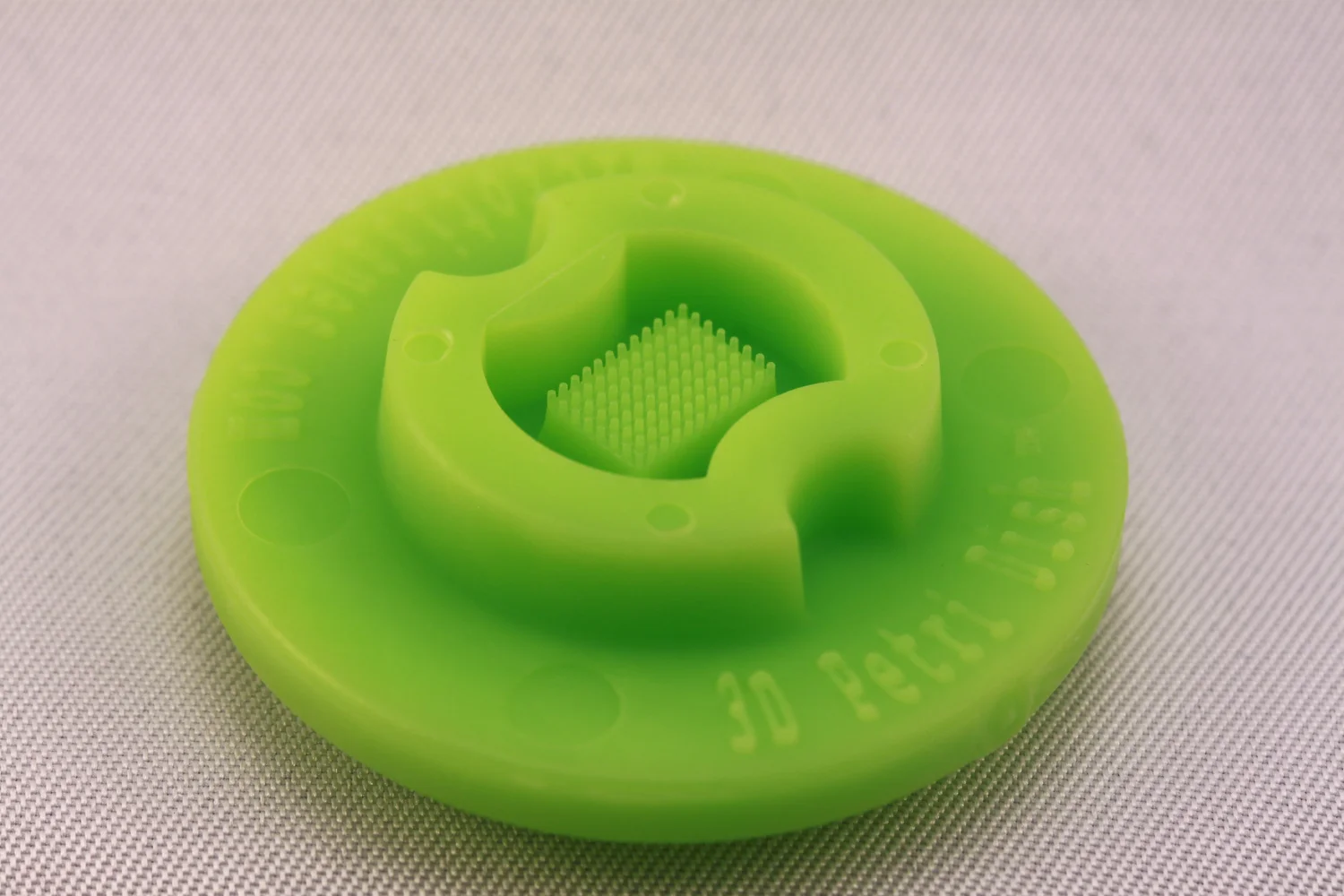
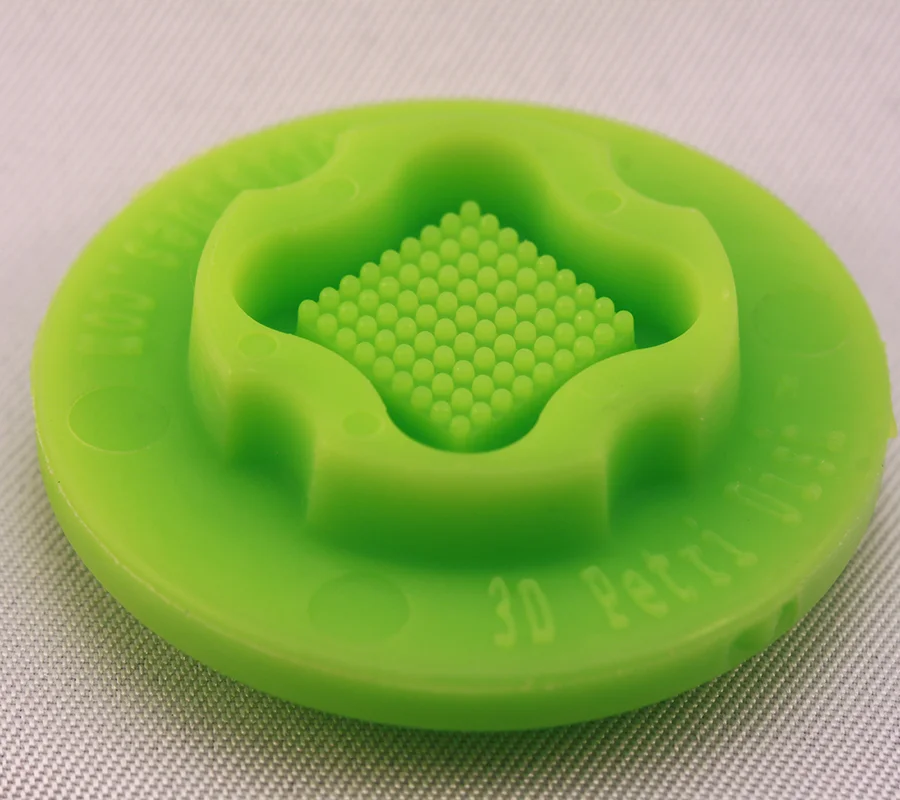
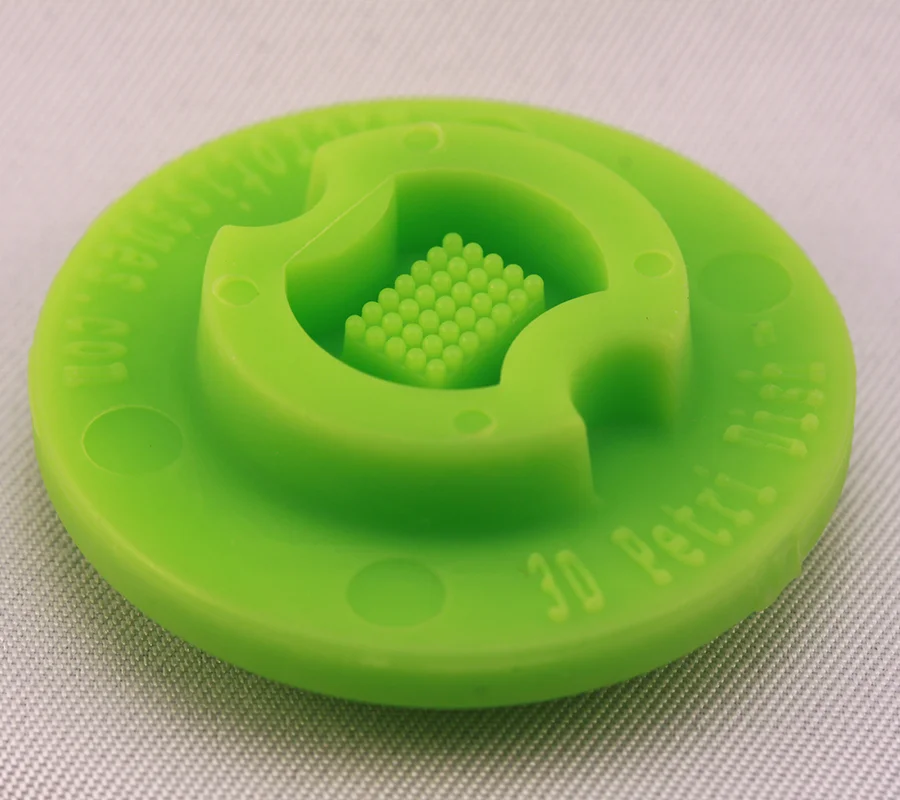
Published in Stem Cell Research & Therapy (2026), this peer-reviewed study used 3D Petri Dish® micro-molds to form scaffold-free 3D microtissues. Full citation: Shpichka, Anastasia, et al. SPHERpower: MSC spheroid-based bioequivalent lead to the efficient restoration of the scarred vocal folds
SPHERpower: MSC spheroid-based bioequivalent lead to the efficient restoration of the scarred vocal folds
Research Overview
Mesenchymal stromal cell therapy for scarred vocal folds has reached first clinical trials, but keeping the injected cells at the implantation site long enough to act remains unsolved. Delivering the cells as spheroids rather than as a suspension is one proposed answer, and this study tested it head-to-head for safety and efficacy.
A vocal fold scar model was established in 48 male rabbits, allocated to untreated control, PEG-fibrin alone, PEG-fibrin with MSC suspension, or PEG-fibrin with MSC spheroids. At three months, the two cell-based arms were compared histologically, including where mature connective tissue formed relative to the implant — a direct test of whether spheroid delivery improves on cell suspension.
Key Discoveries
- Rabbit vocal fold scar model with 48 animals across four treatment groups
- MSC spheroids in PEG-fibrin compared directly against MSC suspension in the same carrier
- Three-month histological follow-up assessed connective tissue maturation and cell retention