Summary
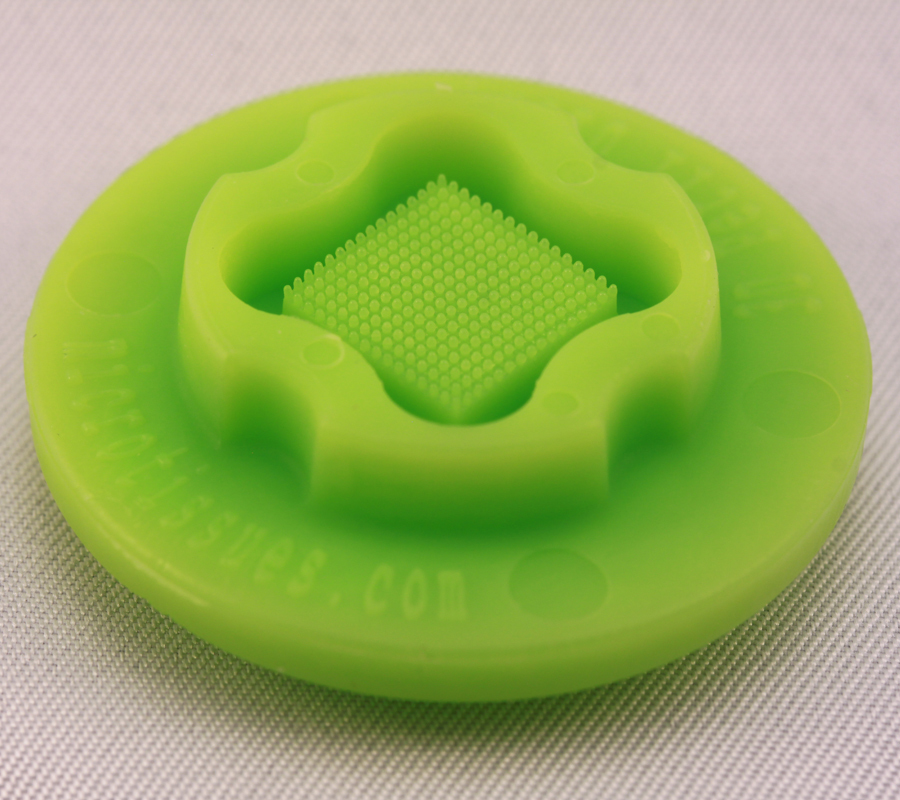
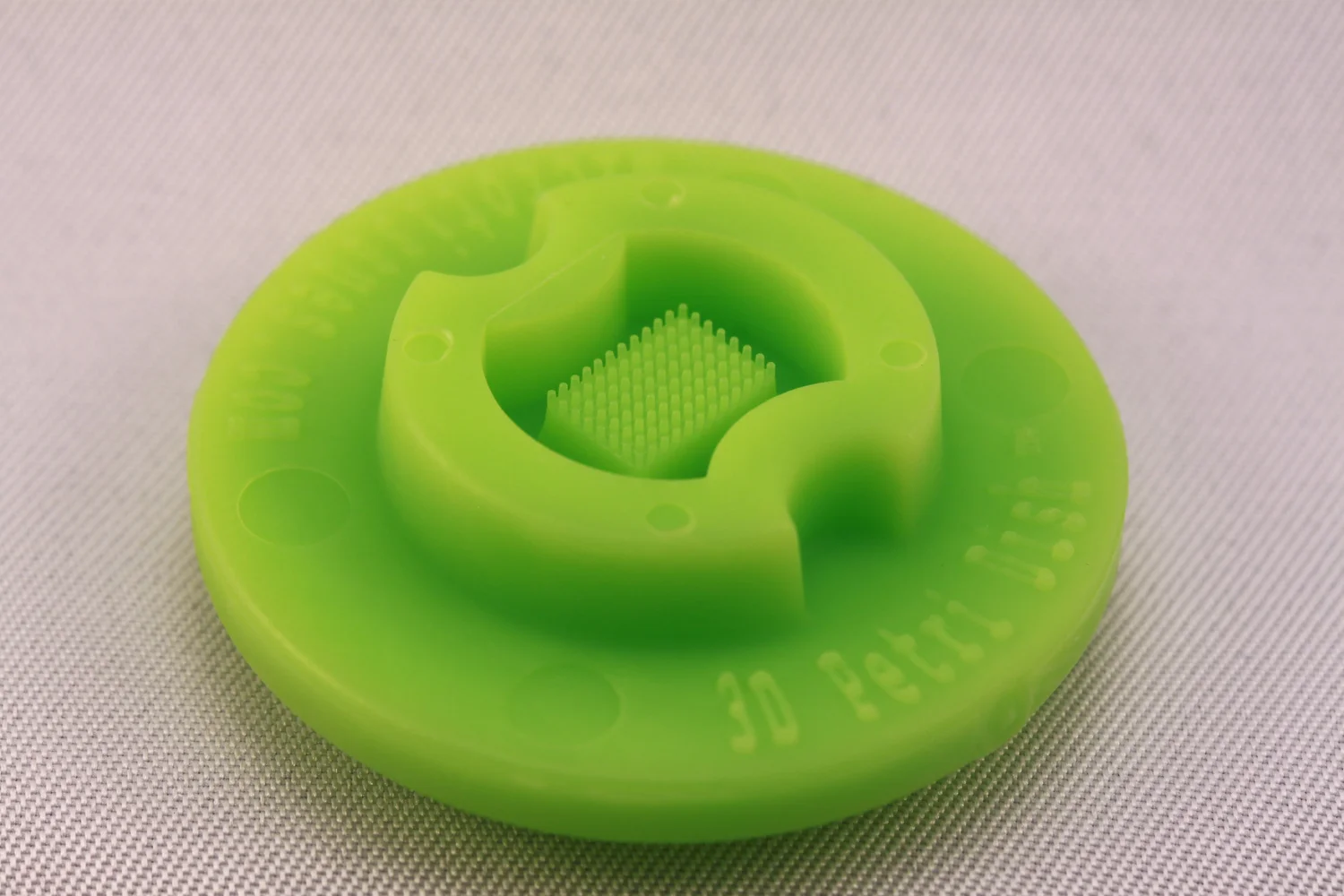
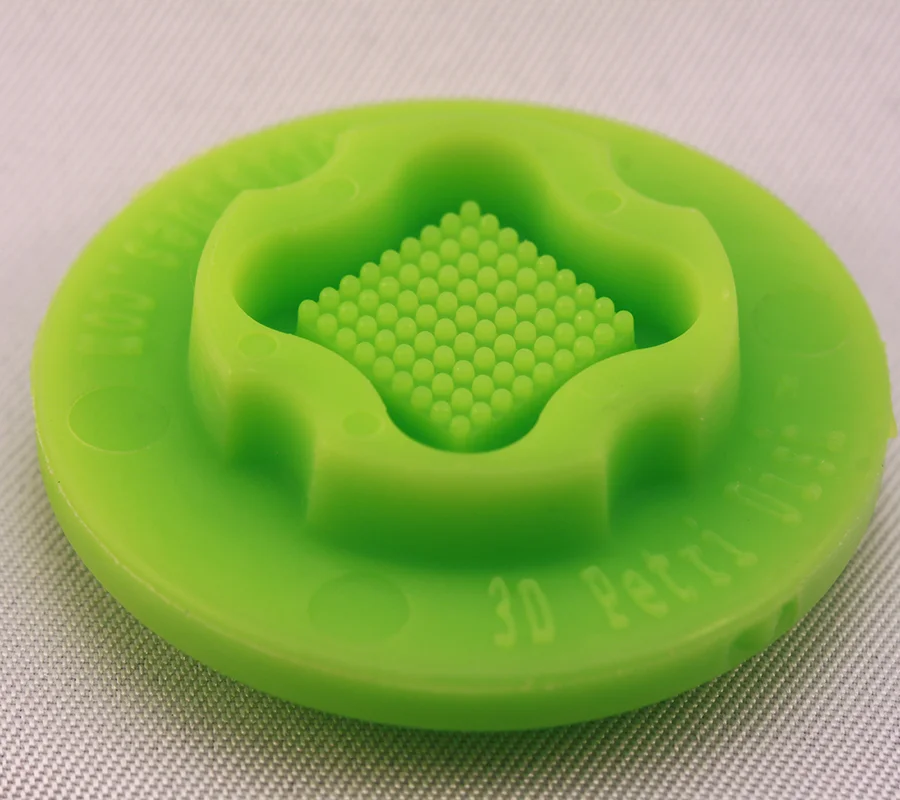
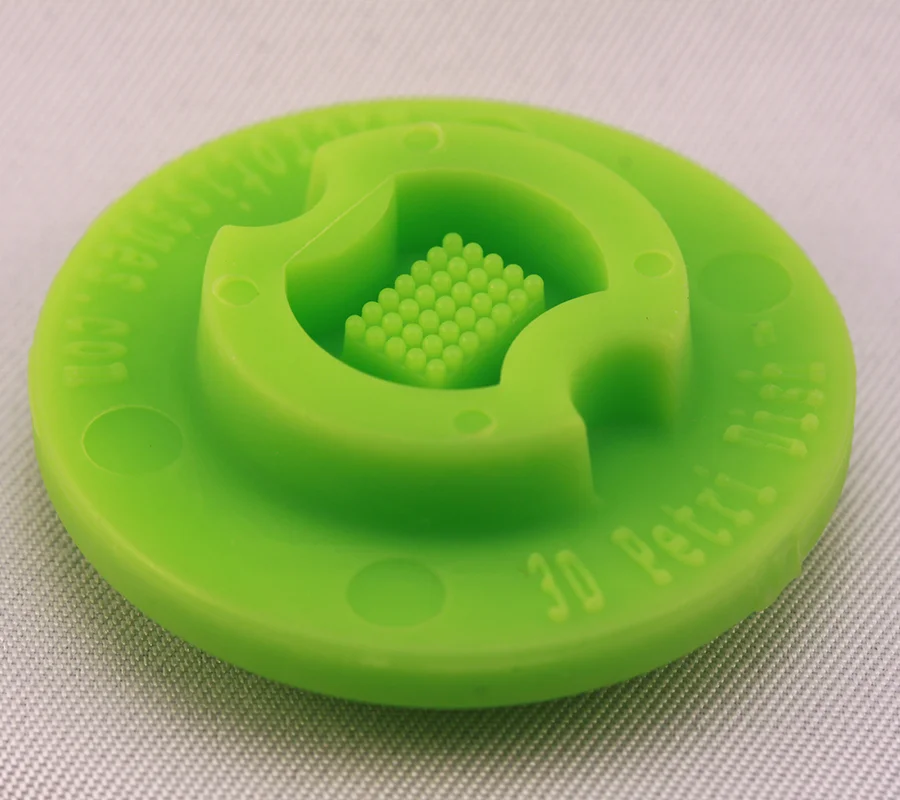
Published in Frontiers in Bioengineering and Biotechnology (2023), this peer-reviewed study used 3D Petri Dish® micro-molds to form scaffold-free 3D microtissues. Full citation: Rovere, Matteo, et al. Spheroid size influences cellular senescence and angiogenic potential of mesenchymal stromal cell-derived soluble factors and extracellular vesicles
Spheroid size influences cellular senescence and angiogenic potential of mesenchymal stromal cell-derived soluble factors and extracellular vesicles
Research Overview
The mesenchymal stromal cell secretome is an emerging regenerative tool, and 3D culture preserves MSC phenotype during extended maintenance. The spheroid interior, however, is hypoxic — which may boost the angiogenic output of adult MSCs, whose angiogenic potential normally trails that of perinatal-tissue MSCs.
This study compared large spheroids (2,600 cells, ~300 µm) with small ones (1,000 cells, ~200 µm) to determine how spheroid size shapes cellular senescence and angiogenic potential, isolating size — and the internal hypoxia that comes with it — as a controllable variable in secretome production.
Key Discoveries
- Large (~300 µm, 2,600 cells) and small (~200 µm, 1,000 cells) MSC spheroids compared directly
- Spheroid size tested as a driver of senescence and angiogenic secretome output
- Internal hypoxia proposed as the mechanism boosting adult MSC angiogenic potential