Summary
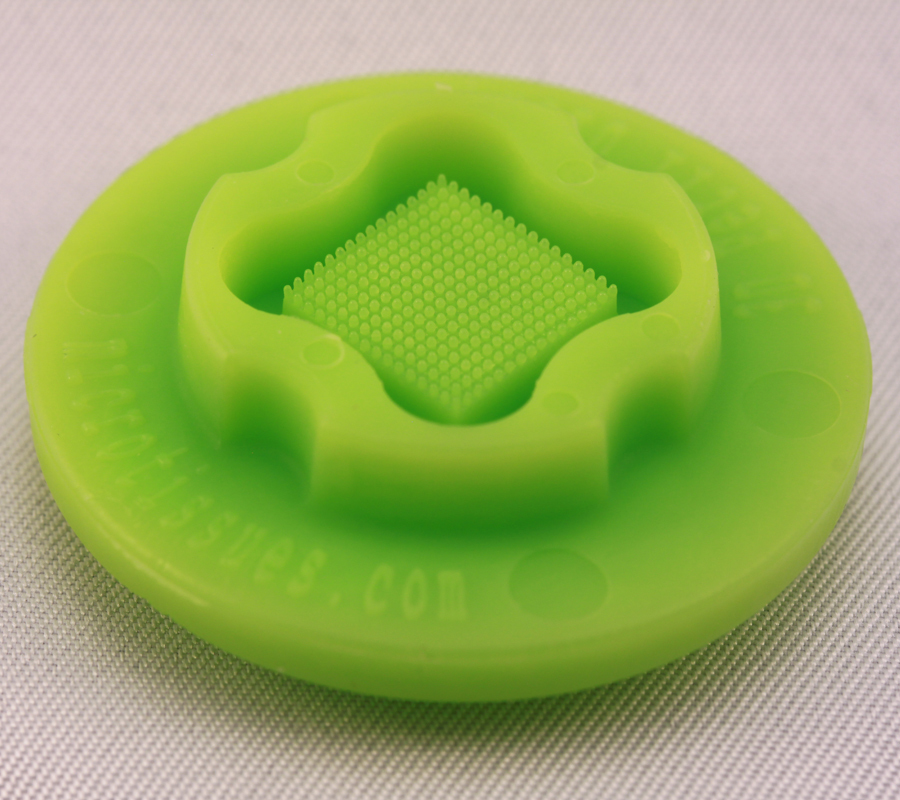
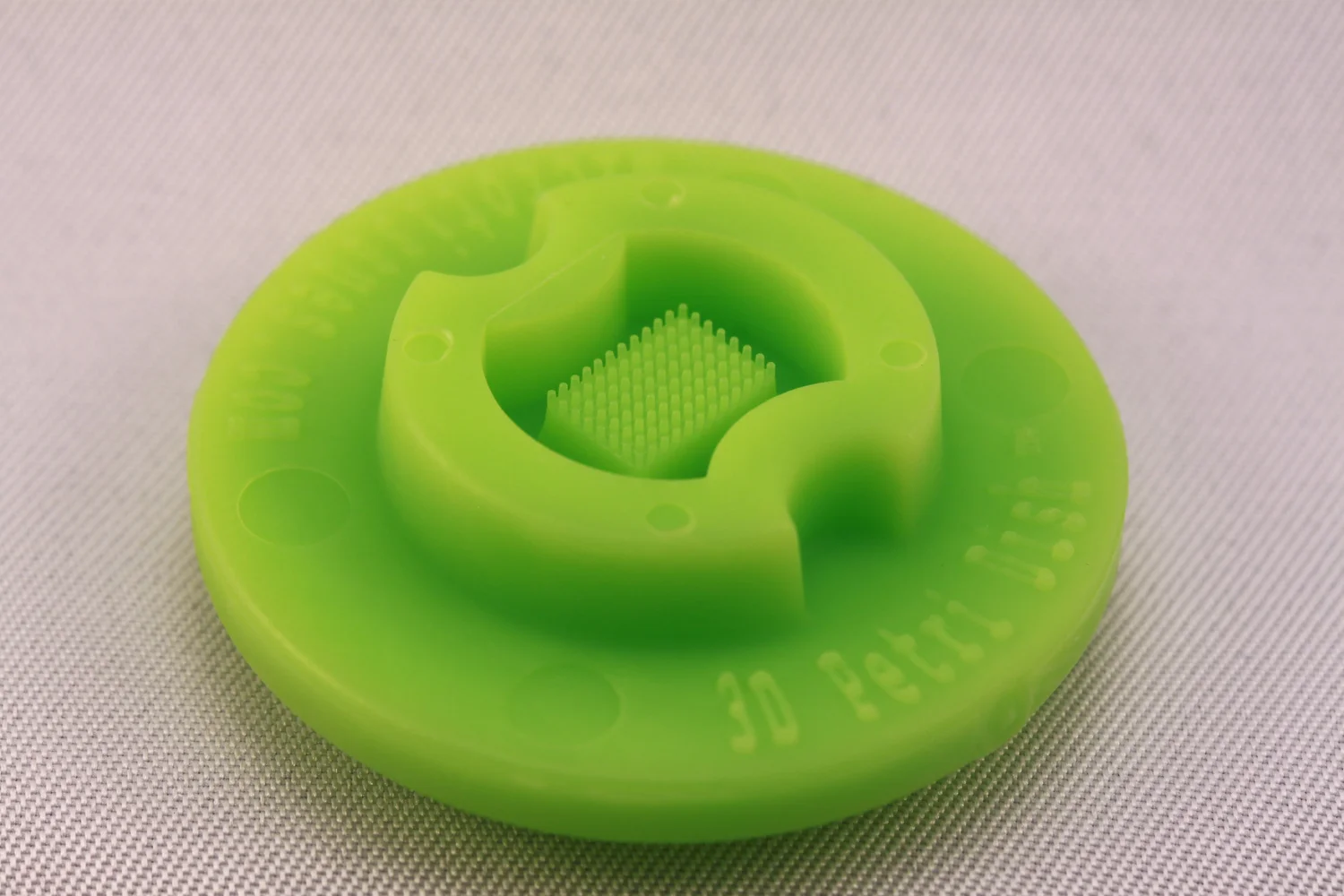
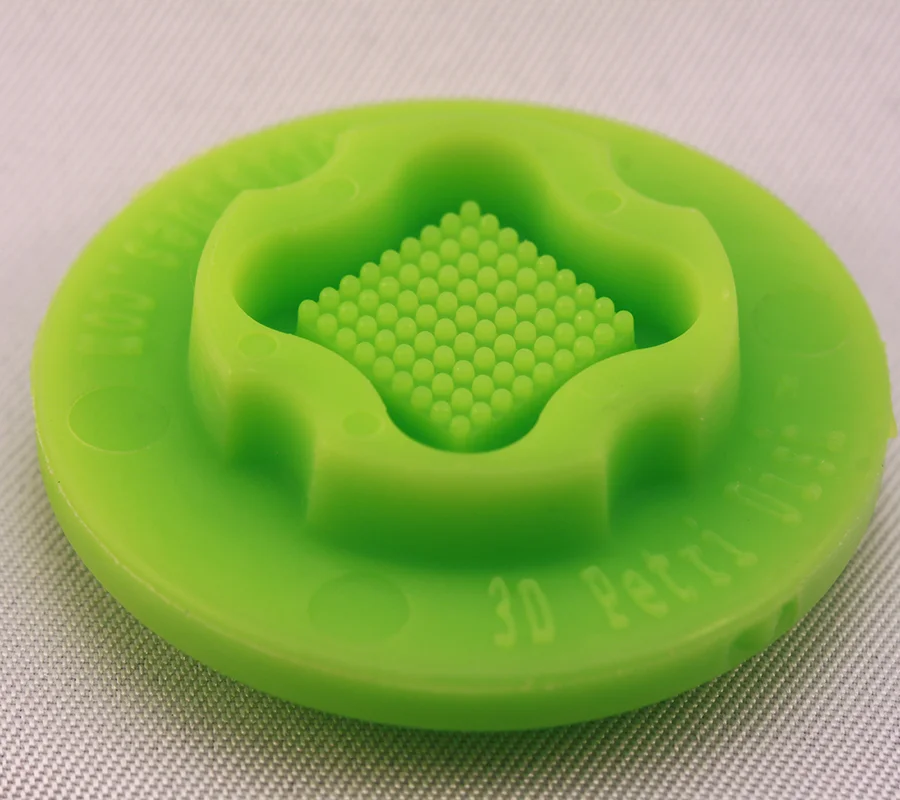
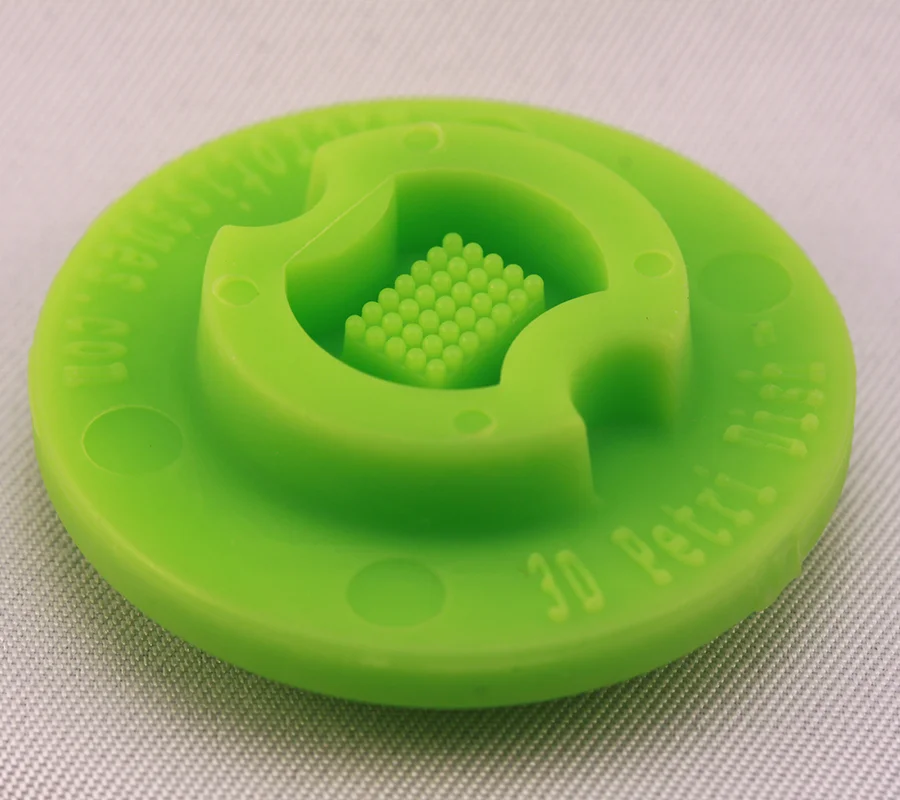
Published in Materials Today Advances (2022), this peer-reviewed study used 3D Petri Dish® micro-molds to form scaffold-free 3D microtissues. Full citation: Ding, Huifen, et al. Silk fibers assisted long-term 3D culture of human primary urinary stem cells via inhibition of senescence-associated genes: Potential use in the assessment of chronic mitochondrial toxicity
Silk fibers assisted long-term 3D culture of human primary urinary stem cells via inhibition of senescence-associated genes: Potential use in the assessment of chronic mitochondrial toxicity
Research Overview
Existing 2D cell models cannot assess chronic mitochondrial toxicity, leaving a gap in drug development. This study built a 3D platform intended as a reliable, sensitive, cost-efficient, high-throughput predictor of drug-induced mitochondrial toxicity.
Human primary urine-derived stem cells were cultured long-term in a 3D silk fiber matrix and compared with the same cells grown as spheroids, using zalcitabine — a nucleoside reverse transcriptase inhibitor — as the test drug. Cell numbers held steady for four weeks in spheroids and six weeks in the silk matrix, and 95% of cells survived in the silk fiber matrix while spheroid cell numbers declined significantly.
Key Discoveries
- Urine-derived stem cells cultured in a 3D silk fiber matrix for chronic toxicity testing
- Cell numbers stable for 6 weeks in silk matrix versus 4 weeks in spheroids
- 95% survival in the silk matrix, with significant cell loss in spheroid culture