Summary
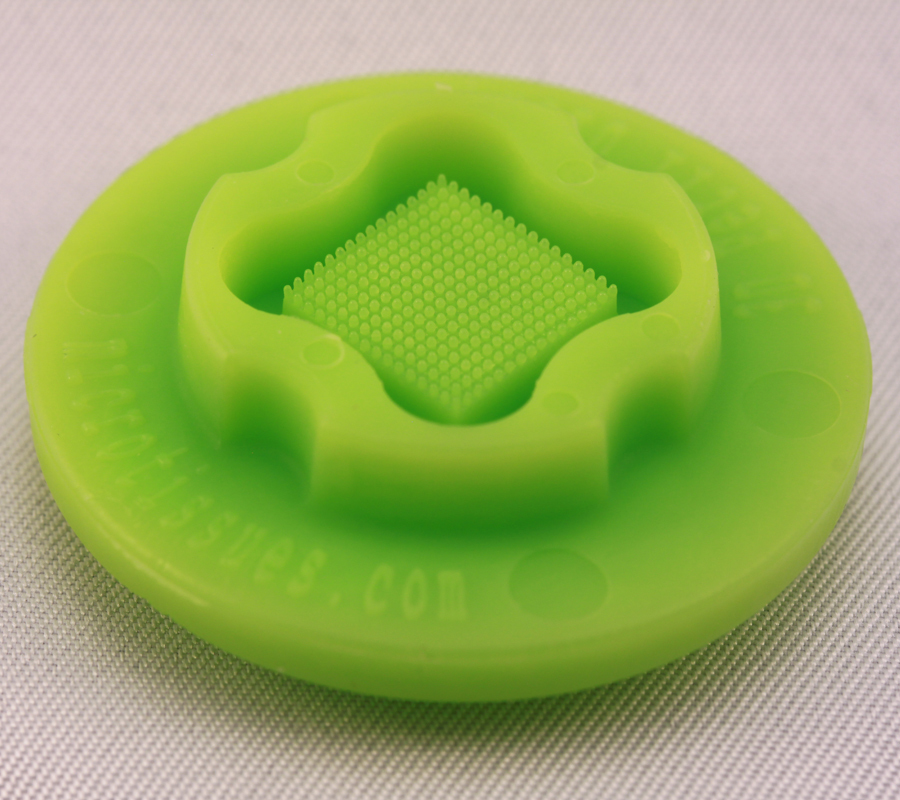
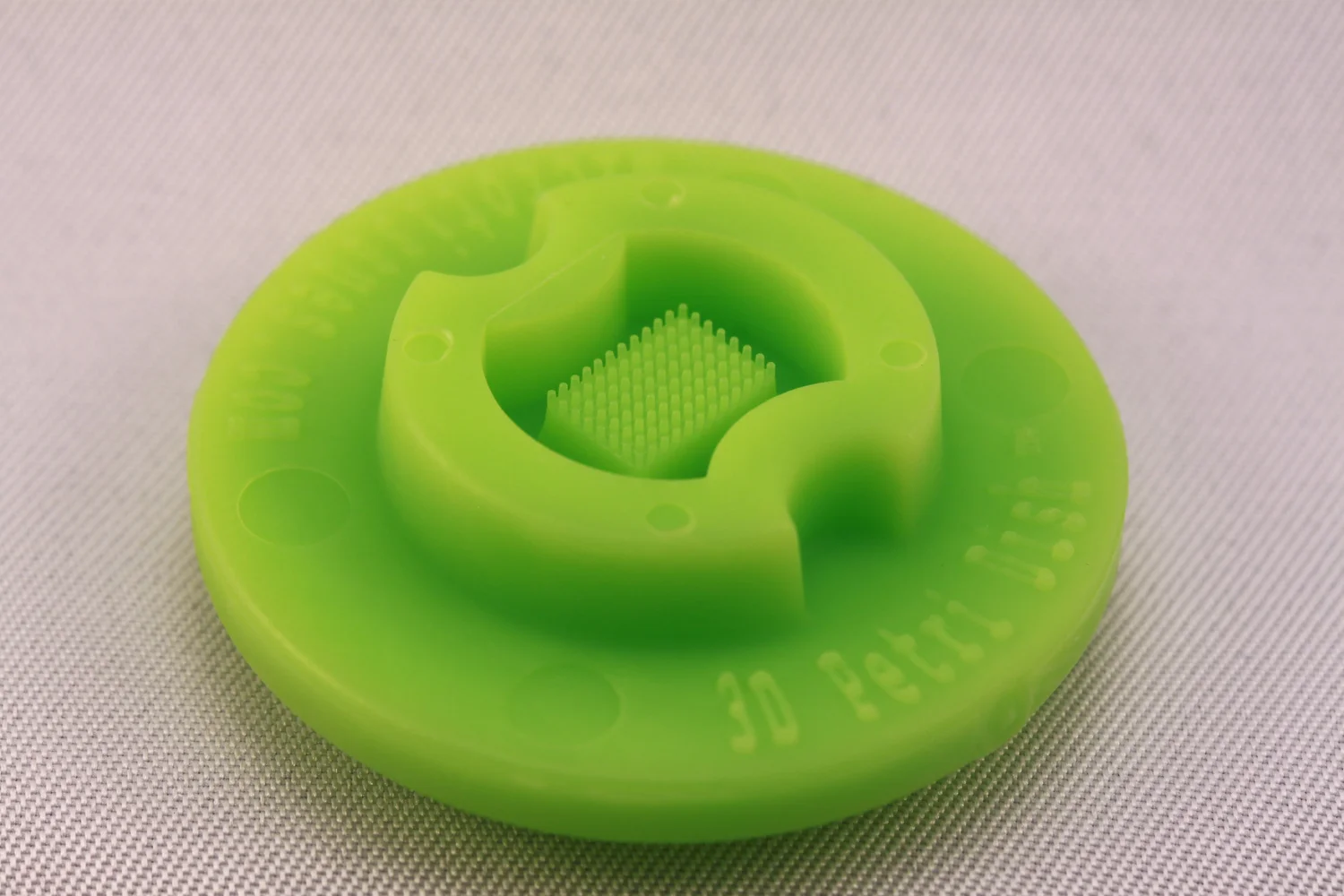
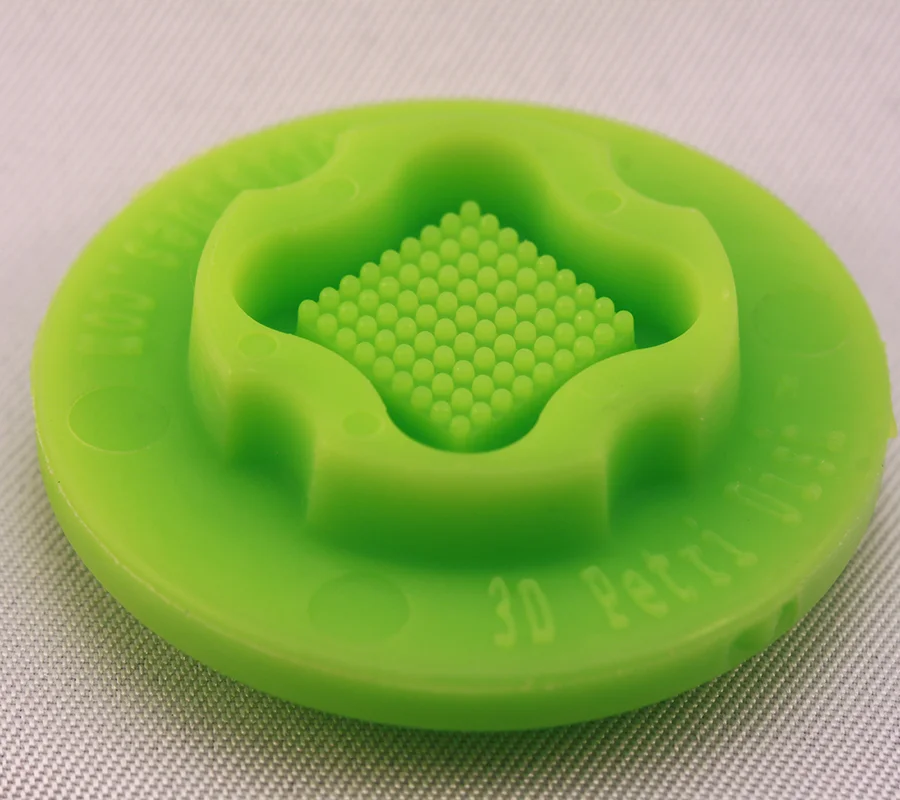
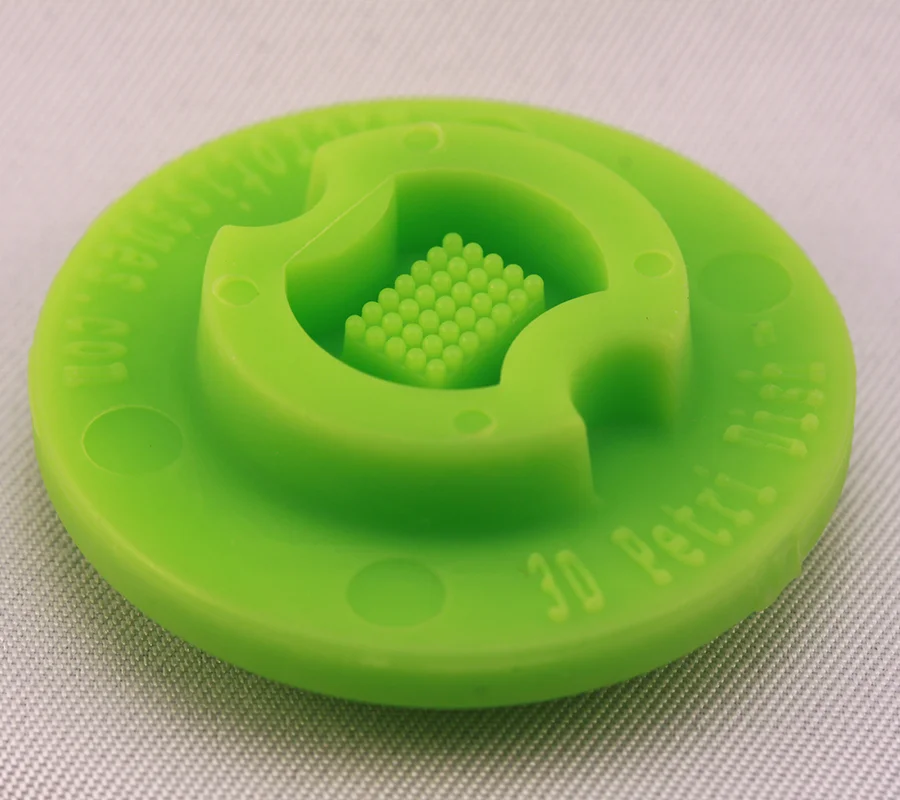
Published in Methods in Molecular Biology (2021), this peer-reviewed study used 3D Petri Dish® micro-molds to form scaffold-free 3D microtissues. Full citation: Rashidi, Hassan, et al. Serum-Free Production of Three-Dimensional Hepatospheres from Pluripotent Stem Cells
Serum-Free Production of Three-Dimensional Hepatospheres from Pluripotent Stem Cells
Research Overview
Renewable human liver tissue from stem cells could supply both pharmaceutical testing and clinical applications, but two-dimensional differentiation yields tissue that lacks long-term phenotypic and functional stability.
Efforts to overcome that limitation led to protocols generating three-dimensional cellular aggregates. This paper describes a methodology for generating 3D hepatospheres from human pluripotent stem cells using defined, commercially available reagents — removing serum and undefined components from the liver differentiation pipeline.
Key Discoveries
- 3D hepatospheres generated from human pluripotent stem cells using defined reagents
- Serum-free protocol relies only on commercially available components
- Addresses the phenotypic instability of 2D-differentiated hepatocyte-like cells