Summary
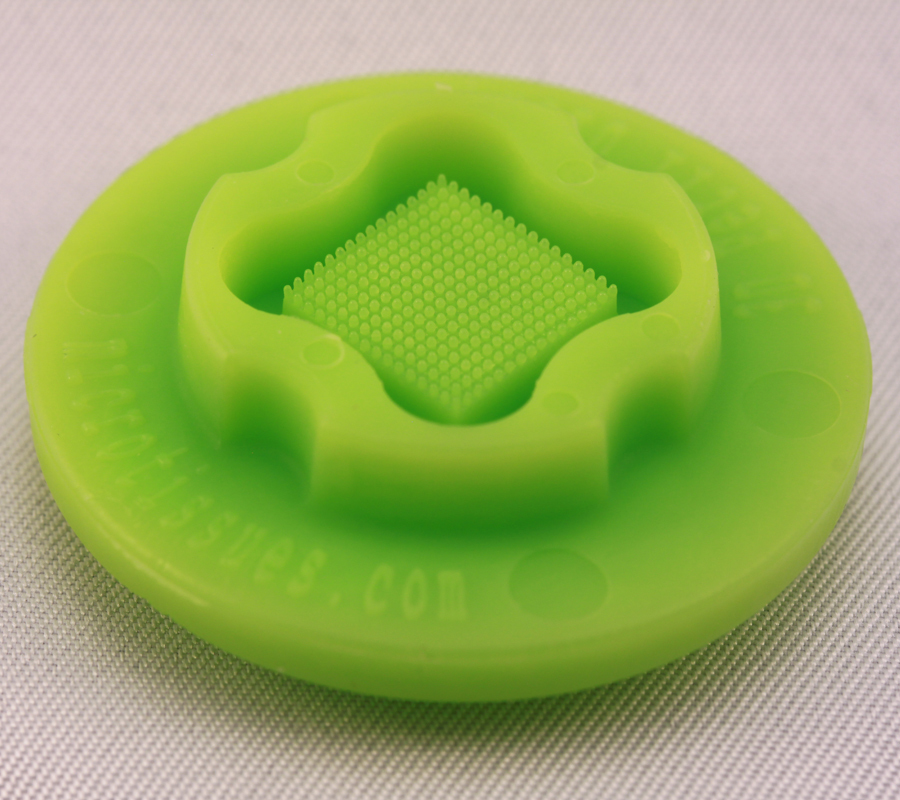
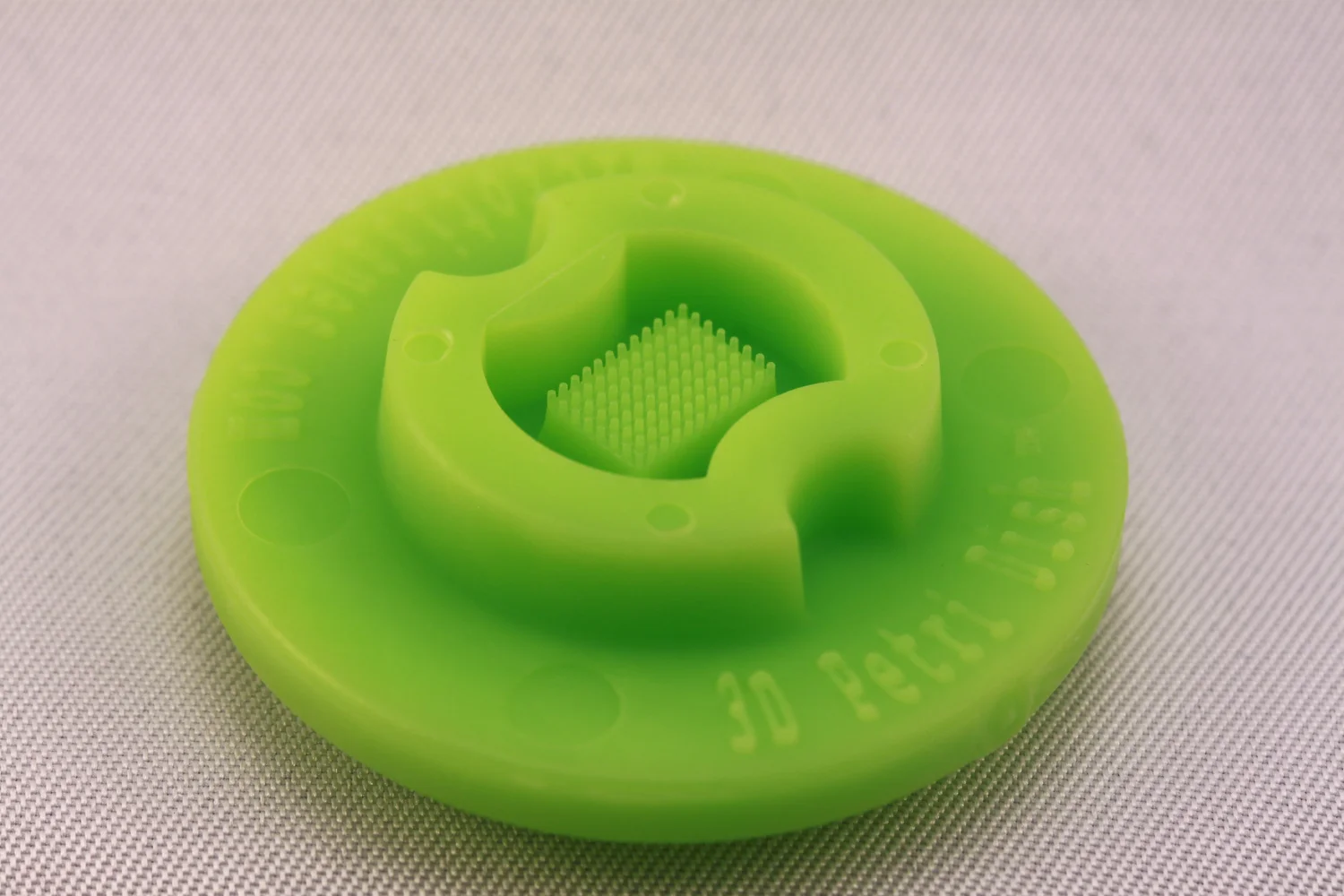
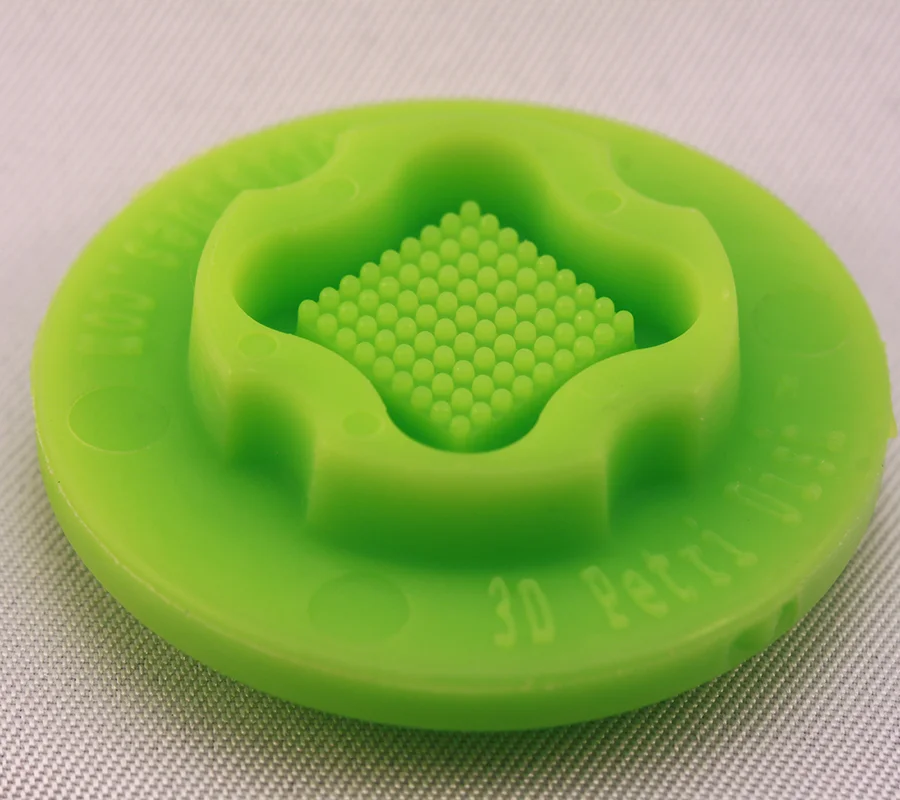
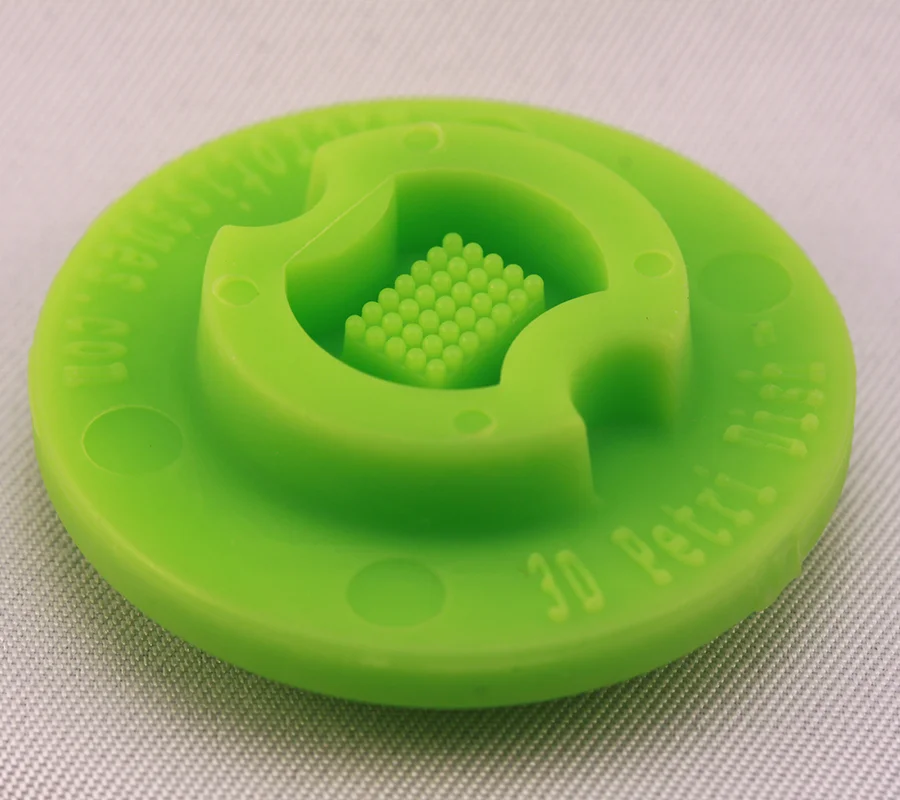
Published in The FASEB Journal (2020), this peer-reviewed study used 3D Petri Dish® micro-molds to form scaffold-free 3D microtissues. Full citation: Summers, Megan E., et al. Resident mesenchymal vascular progenitors modulate adaptive angiogenesis and pulmonary remodeling via regulation of canonical Wnt signaling
Resident mesenchymal vascular progenitors modulate adaptive angiogenesis and pulmonary remodeling via regulation of canonical Wnt signaling
Research Overview
Adaptive angiogenesis repairs tissue but can also worsen injury and drive chronic disease. Through lineage tracing, progenitor depletion, and modulation of β-catenin, this study showed that lung mesenchymal vascular progenitor cells control that balance.
Single-cell sequencing confirmed the cells as multipotential vascular progenitors, and their genetic depletion produced alveolar simplification with reduced adaptive angiogenesis. After vascular endothelial injury, Wnt activation in these progenitors alone was enough to produce an emphysema-like phenotype — increased mean linear intercept, fibrosis, and progenitor-driven angiogenesis.
Key Discoveries
- Lung mesenchymal vascular progenitors confirmed as multipotential by single-cell sequencing
- Depletion caused alveolar simplification with reduced adaptive angiogenesis
- Wnt activation after endothelial injury produced an emphysema-like phenotype