Summary
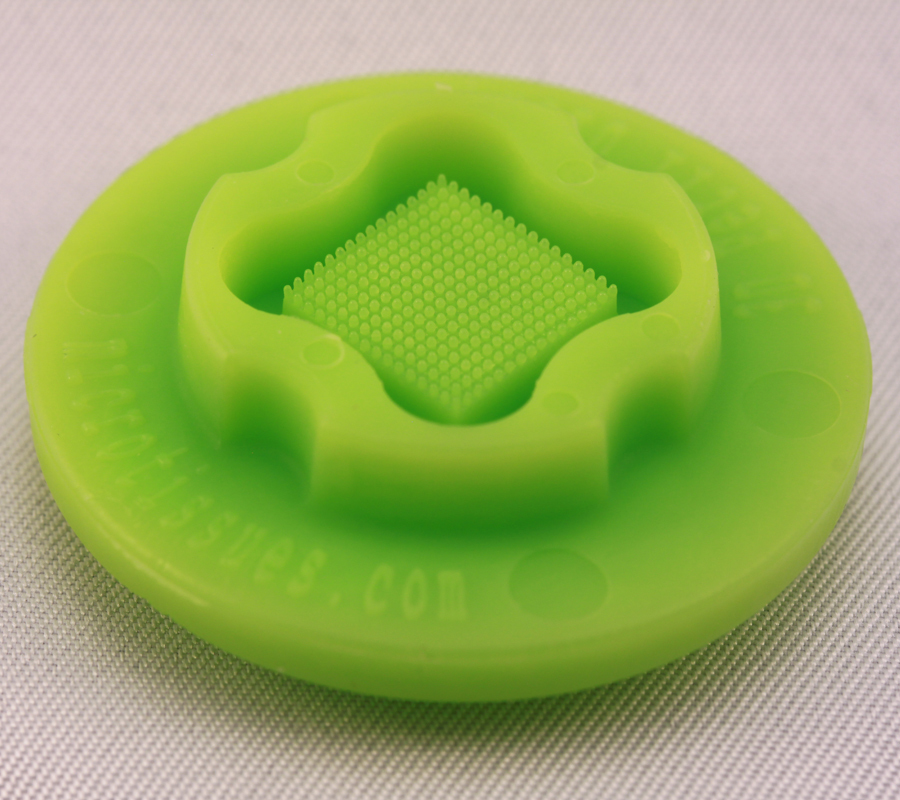
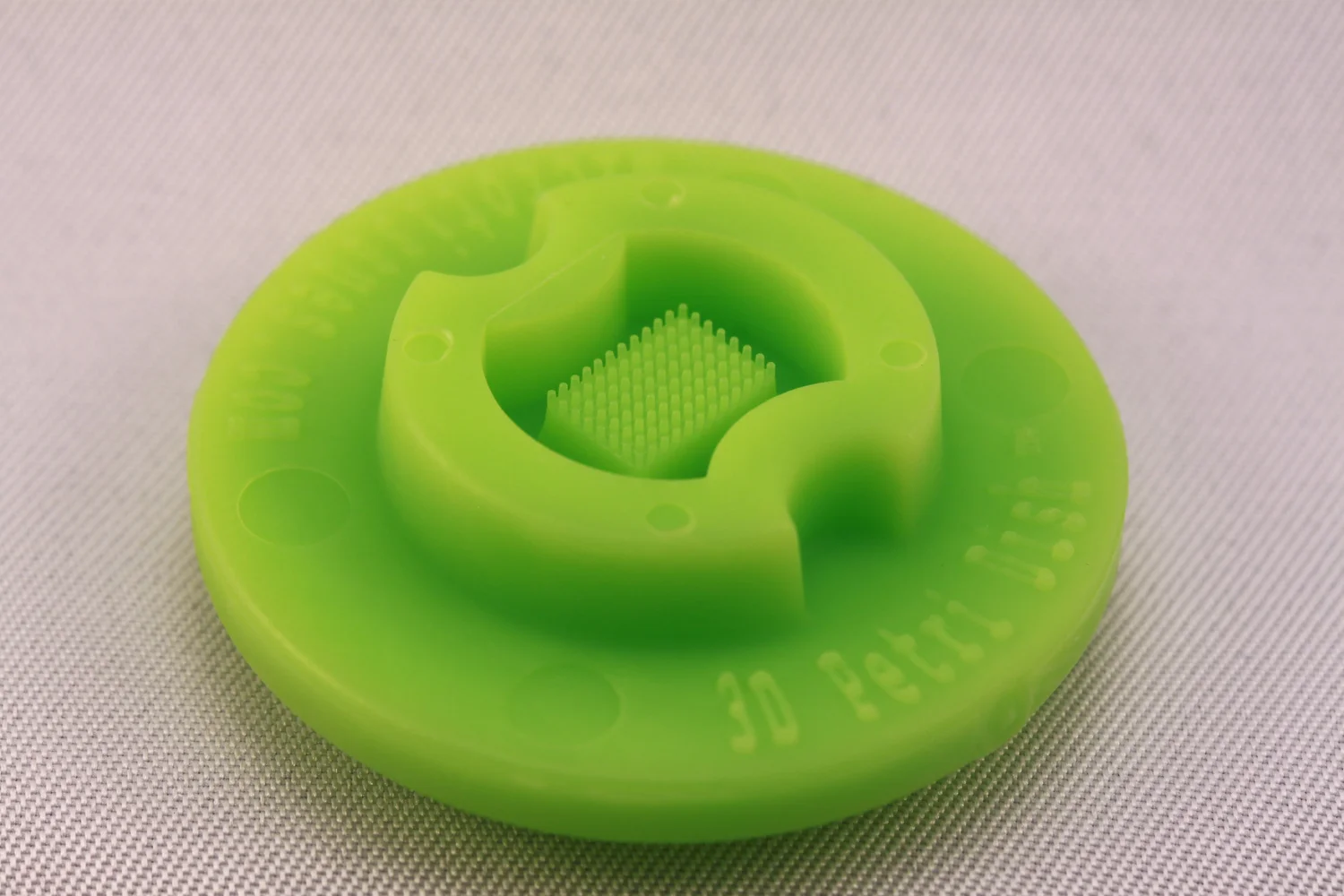
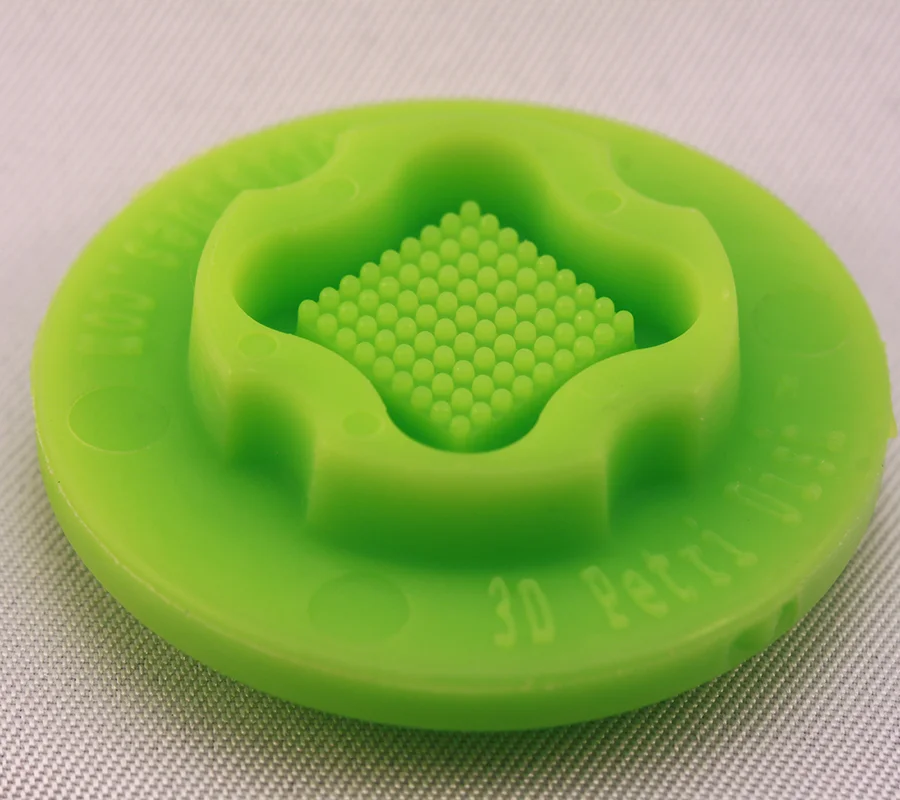
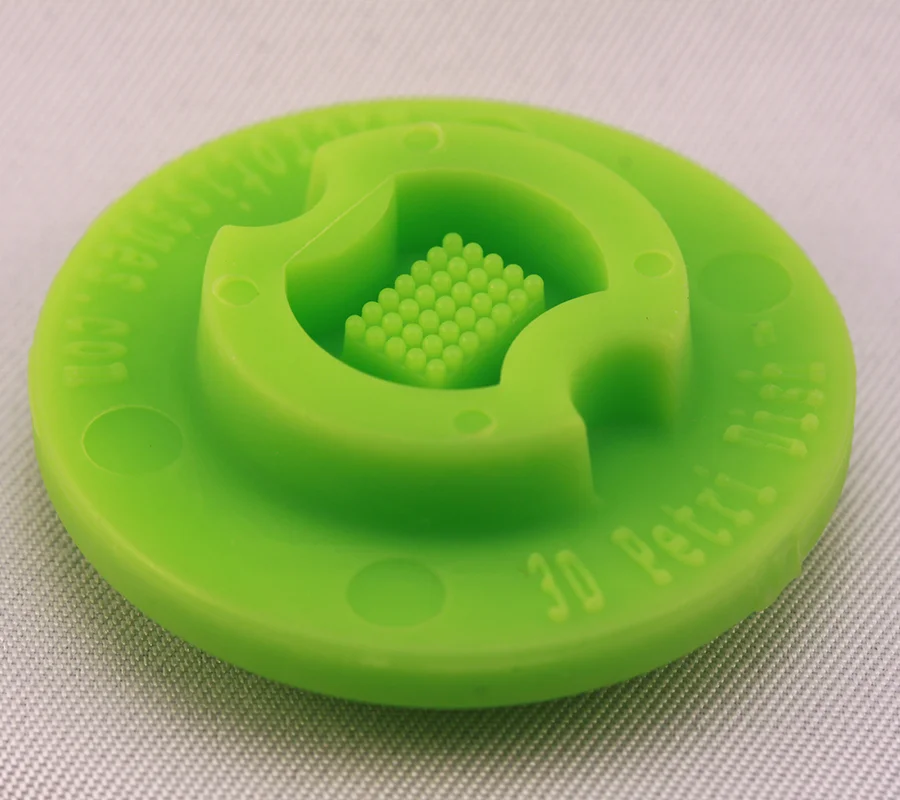
Published in Tissue Engineering Part A (2016), this peer-reviewed study used 3D Petri Dish® micro-molds to form scaffold-free 3D microtissues. Full citation: Toivonen, Sanna, et al. Regulation of Human Pluripotent Stem Cell-Derived Hepatic Cell Phenotype by Three-Dimensional Hydrogel Models
Regulation of Human Pluripotent Stem Cell-Derived Hepatic Cell Phenotype by Three-Dimensional Hydrogel Models
Research Overview
Hepatocyte-like cells derived from human iPSCs could substitute for scarce primary human hepatocytes, but low yields of fully functional cells remain the obstacle — and 3D culture may improve their maturation.
This study compared three 3D hydrogel models of iPSC-derived hepatocyte-like cells: agarose microwells (3D Petri Dish®), nanofibrillar cellulose hydrogel (Growdex), and animal extracellular-matrix-based hydrogel (Matrigel). Comparing scaffold-free micro-molded culture directly against both plant-derived and animal-derived matrices isolates how much of hepatic maturation depends on the material versus the 3D geometry itself.
Key Discoveries
- Three 3D formats compared for hepatocyte maturation: agarose microwells, nanocellulose, and Matrigel
- Directly tests scaffold-free geometry against plant- and animal-derived matrix hydrogels
- Targets the limited yield of functional hepatocyte-like cells from iPSCs