Summary
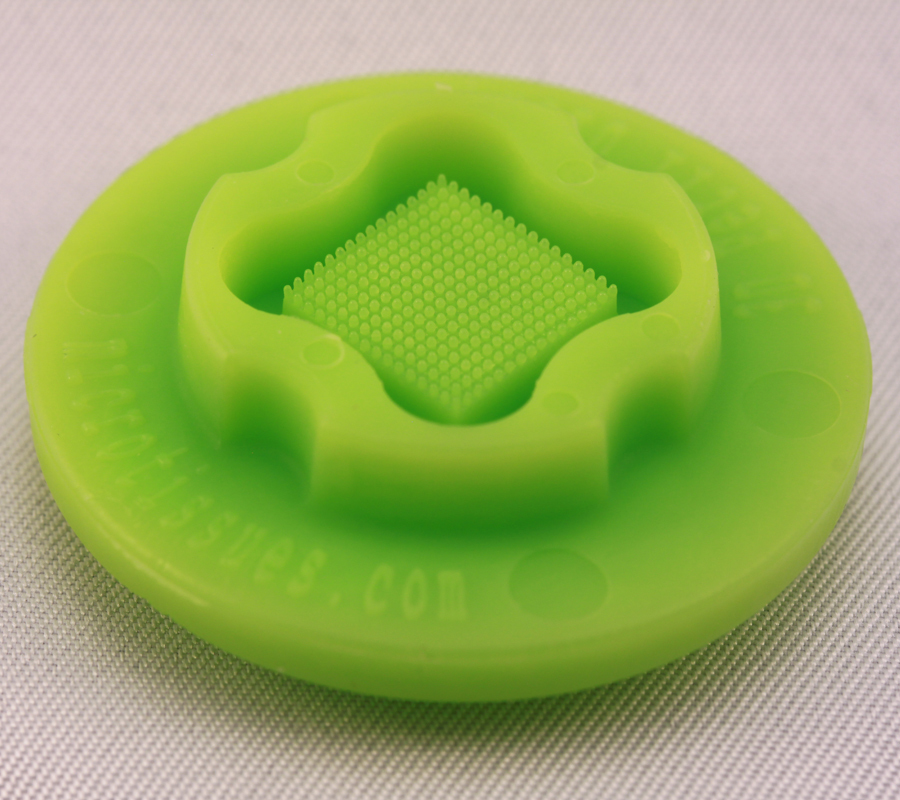
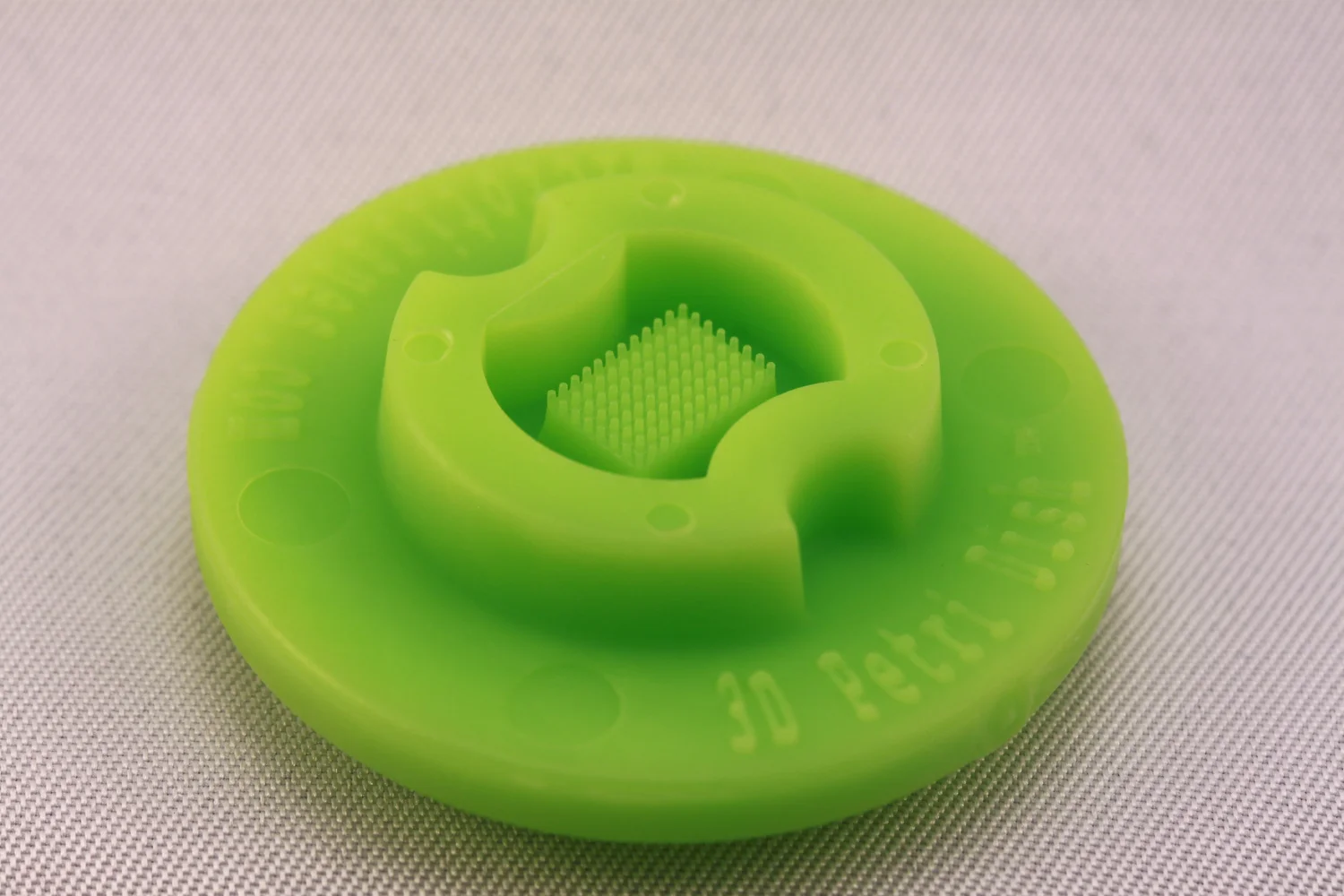
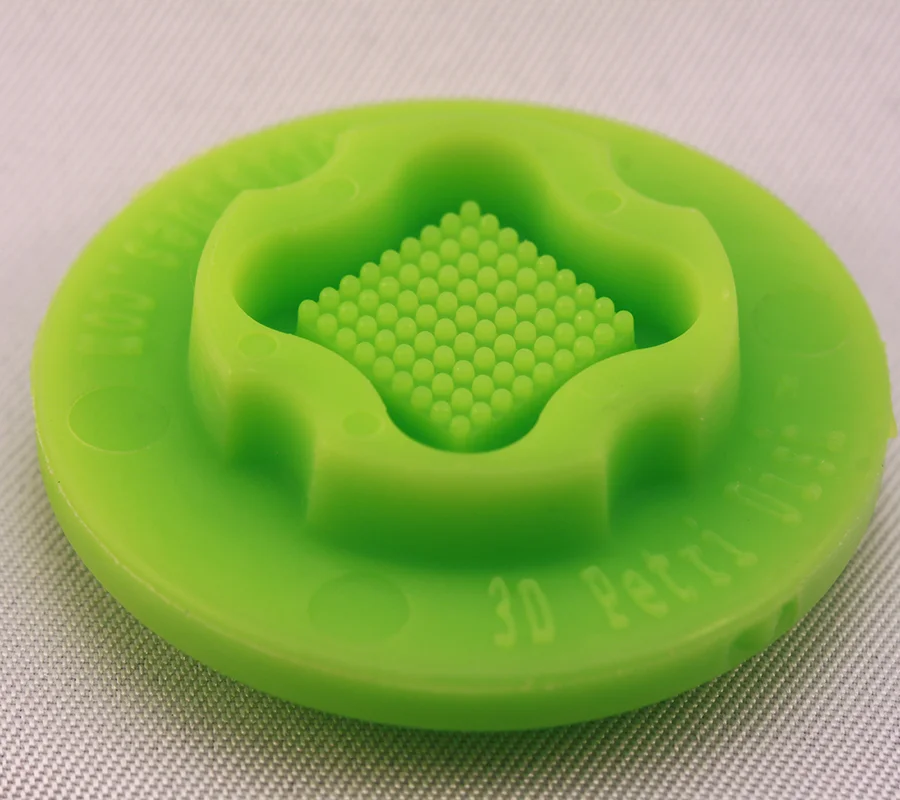
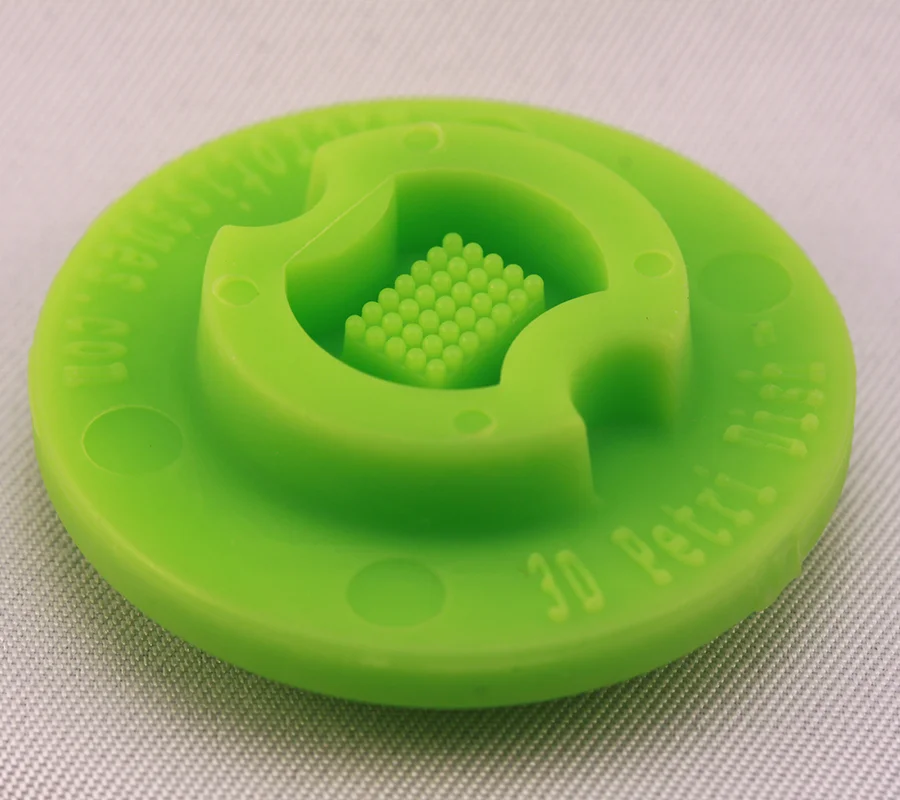
Published in Nucleic Acids Research (2024), this peer-reviewed study used 3D Petri Dish® micro-molds to form scaffold-free 3D microtissues. Full citation: Li, Bin, et al. Proximal telomeric decompaction due to telomere shortening drives FOXC1-dependent myocardial senescence
Proximal telomeric decompaction due to telomere shortening drives FOXC1-dependent myocardial senescence
Research Overview
Telomeres — TTAGGG repeats capping chromosomes — are central to aging and DNA damage responses, and short telomeres have been seen in cardiomyopathic and failing hearts, though their role in cardiomyocytes was little understood. This study confirmed that heart-failure patient cardiomyocytes carry shortened telomeres and then built isogenic human iPSC-derived cardiomyocytes with short versus normal telomeres to probe cause and effect.
Short telomeres produced cardiac dysfunction and senescence markers. Hi-C and RNA-seq showed that telomere shortening decreased topologically associating domain insulation near chromosome ends, correlating with transcriptional upregulation of nearby genes — telomere length reshaping 3D genome organization in the heart.
Key Discoveries
- Heart-failure patient cardiomyocytes have shortened telomeres versus healthy controls
- Isogenic iPSC-cardiomyocytes with short telomeres showed dysfunction and senescence markers
- Hi-C revealed reduced TAD insulation near telomeres, with correlated transcriptional upregulation