Summary
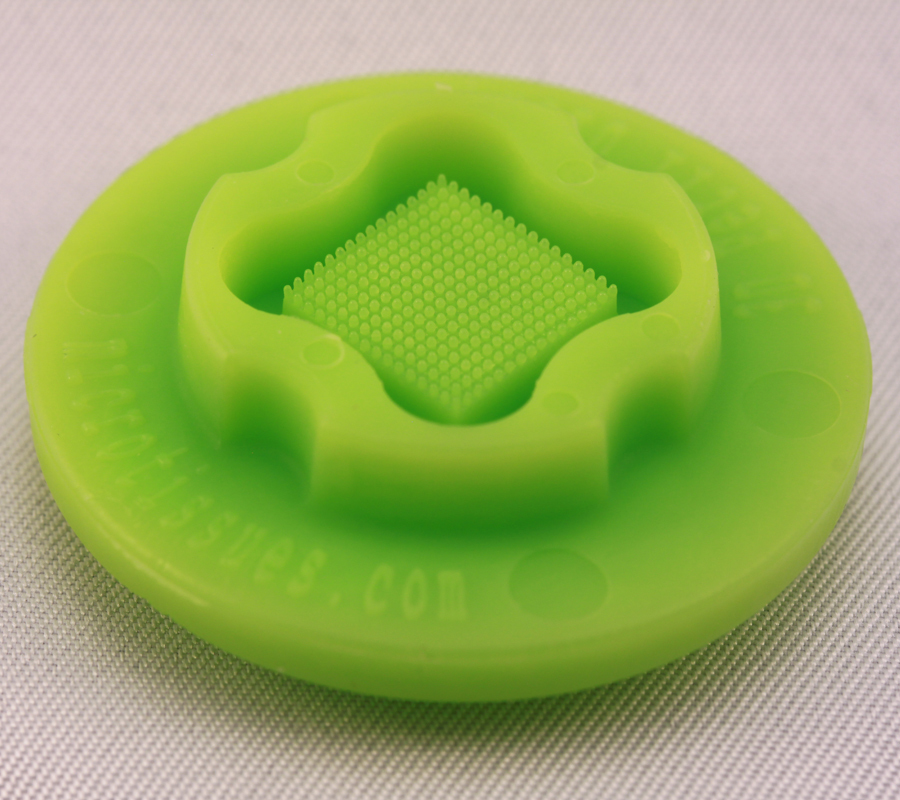
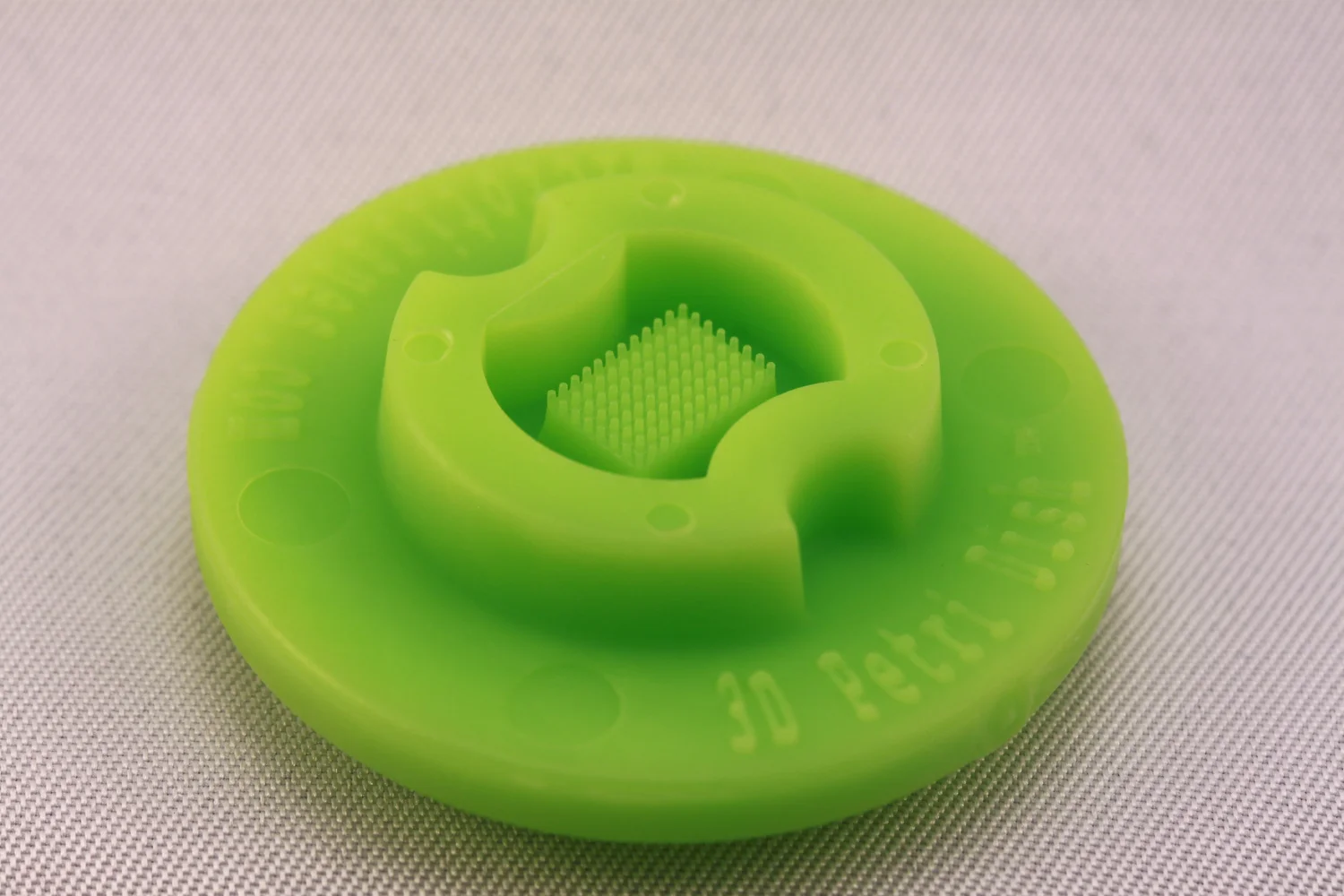
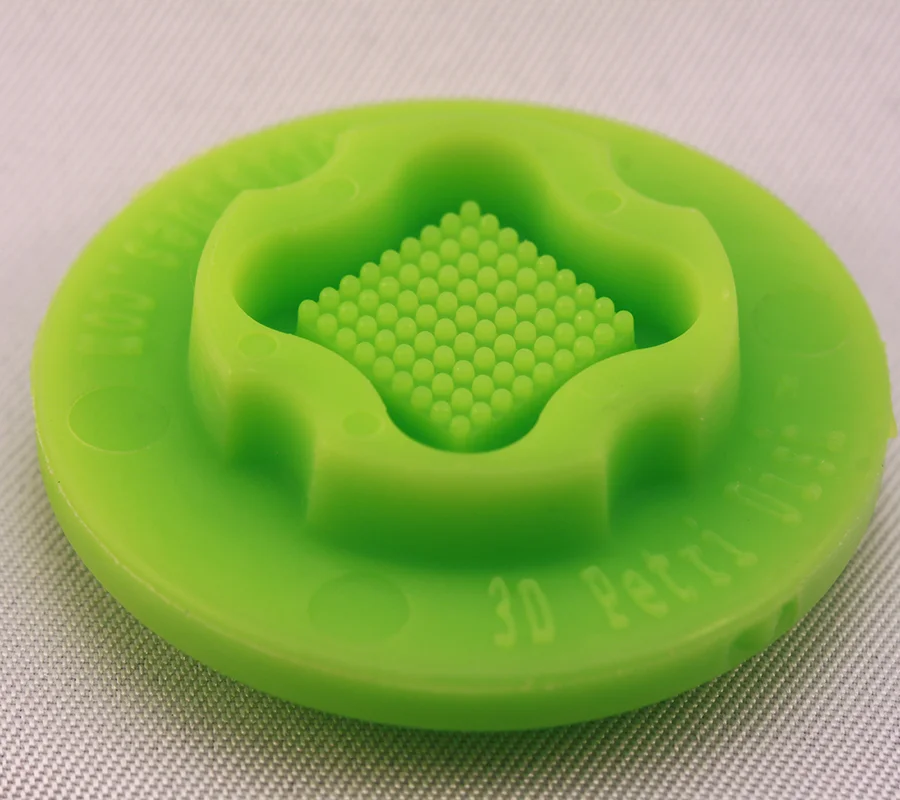
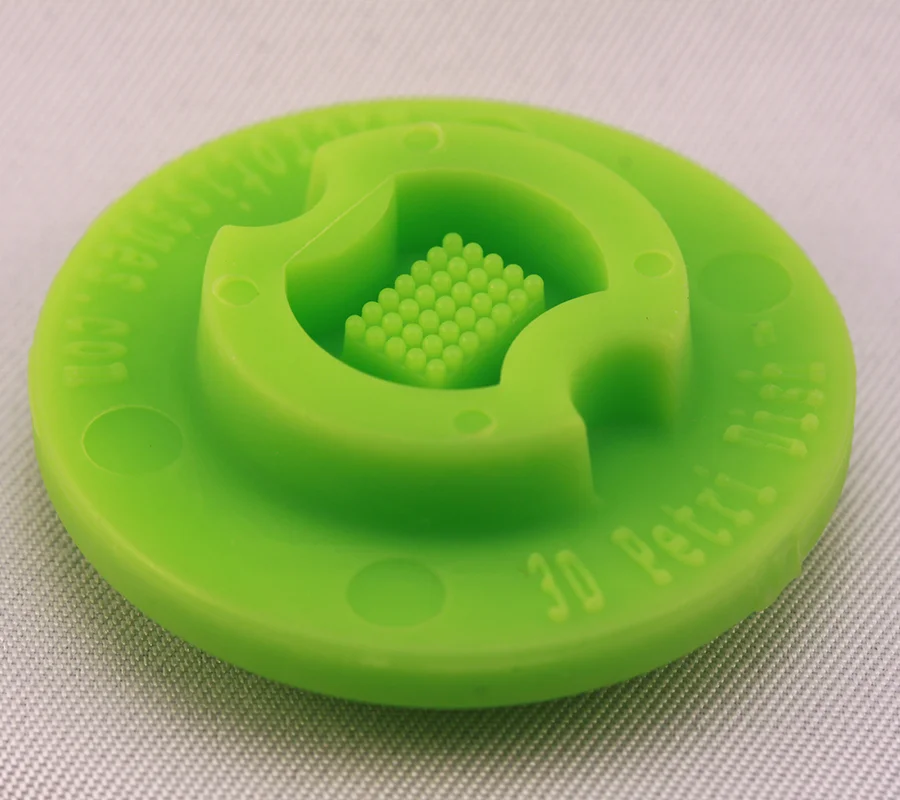
Published in American Journal of Physiology-Cell Physiology (2026), this peer-reviewed study used 3D Petri Dish® micro-molds to form scaffold-free 3D microtissues. Full citation: Vartanian-Grimaldi, Jean-Sébastien, et al. A human cardiomyocyte-based cellular model mimicking cardiac ischemia
A human cardiomyocyte-based cellular model mimicking cardiac ischemia
Research Overview
Animal models dominate the study of cardiac ischemia, but human-relevant alternatives are needed. This study developed an in vitro ischemia model using cardiomyocytes derived from induced pluripotent stem cells: the cells were subjected to oxygen and nutrient deprivation and then exposed to proinflammatory cytokines to mimic the inflammation that follows an ischemic event.
The approach reproduced key features of ischemic injury — mitochondrial dysfunction, impaired contractility, and morphological changes — providing a human cell-based tool for studying cardiac pathophysiology and testing therapeutic strategies while reducing reliance on animal experiments.
Key Discoveries
- iPSC-derived cardiomyocytes deprived of oxygen and nutrients, then exposed to cytokines, modeled post-ischemic inflammation
- The model reproduced mitochondrial dysfunction, impaired contractility, and morphological injury
- Offers a human-relevant alternative that reduces reliance on animal ischemia models