Summary
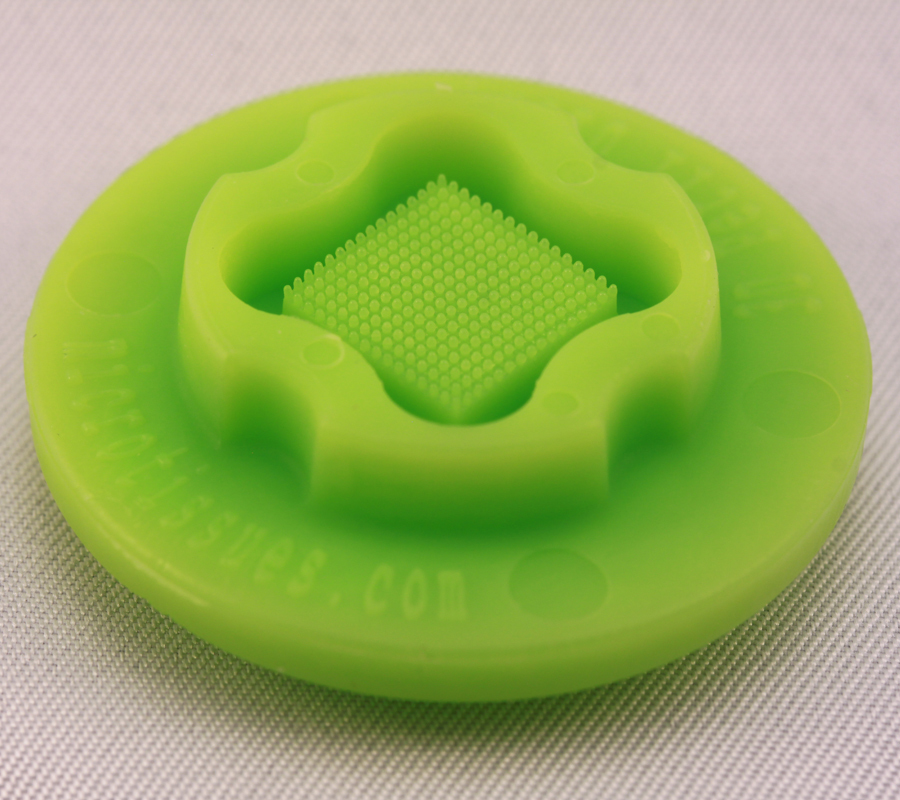
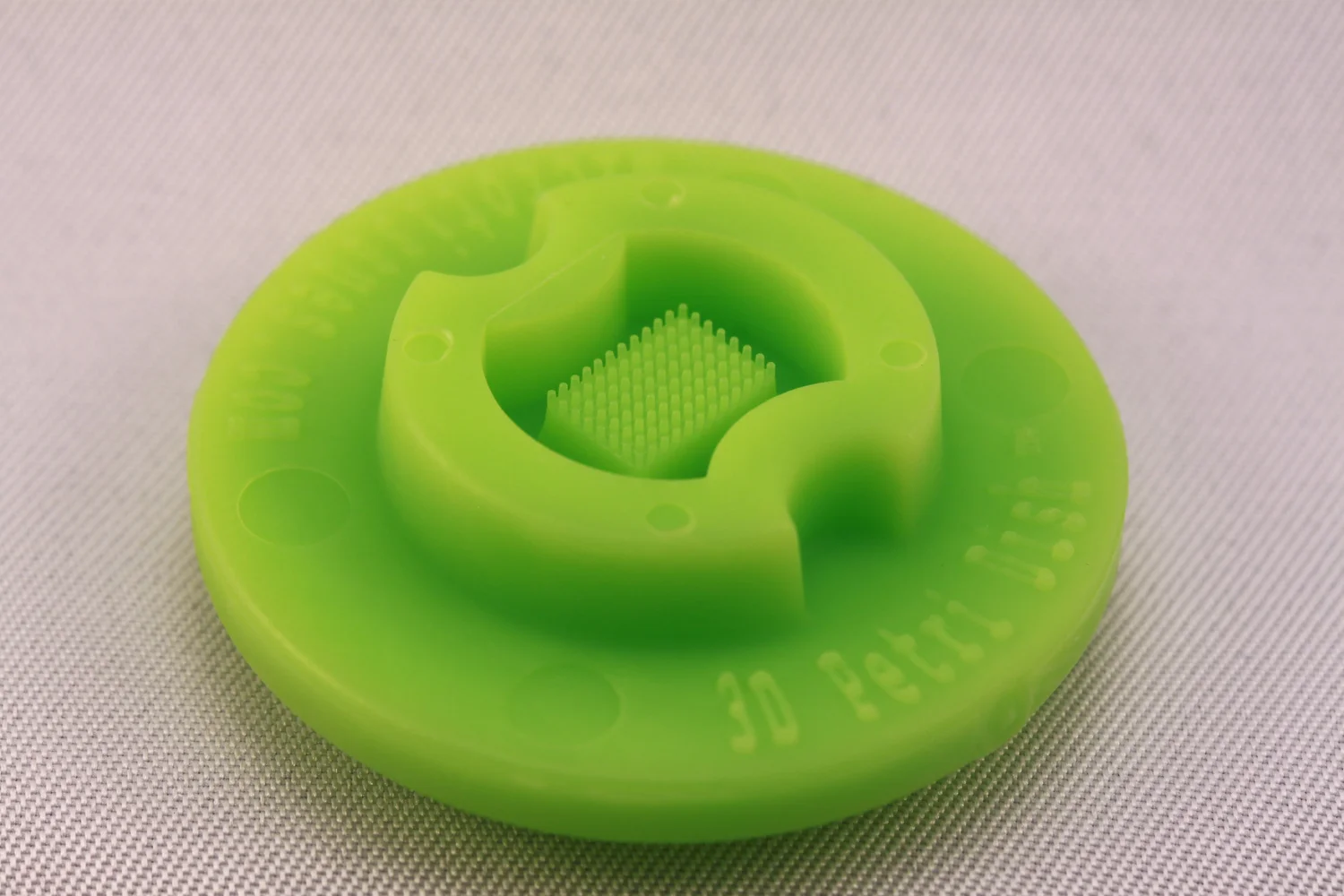
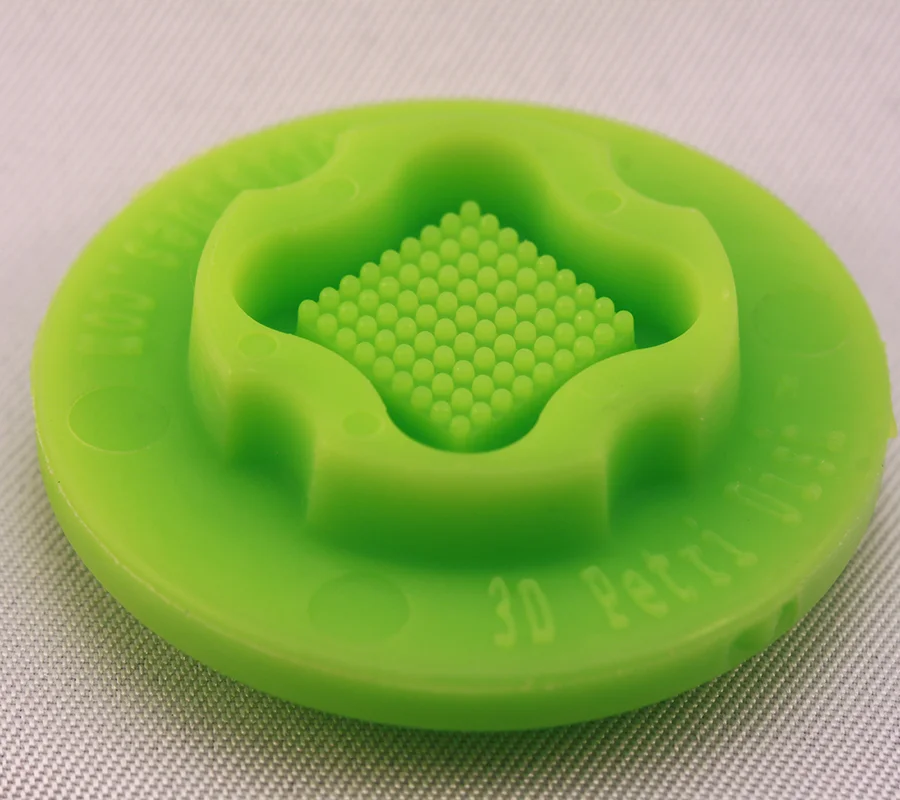
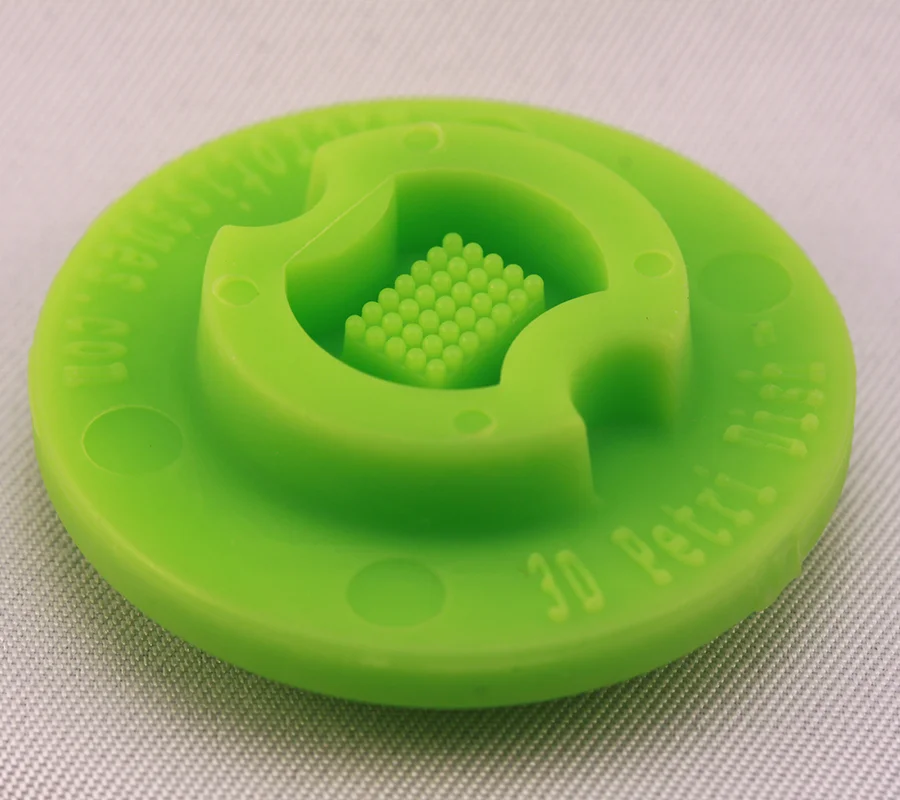
Published in Cells (2023), this peer-reviewed study used 3D Petri Dish® micro-molds to form scaffold-free 3D microtissues. Full citation: Scalise, Mariangela, et al. Adult Multipotent Cardiac Progenitor-Derived Spheroids: A Reproducible Model of In Vitro Cardiomyocyte Commitment and Specification
Adult Multipotent Cardiac Progenitor-Derived Spheroids: A Reproducible Model of In Vitro Cardiomyocyte Commitment and Specification
Research Overview
3D culture promises to bridge cell-based assays and small-animal models, and stem-cell-derived spheroids are a leading approach. Cardiac stem/progenitor cell spheroids offer a relevant platform for cardiac regeneration, so this study asked which scaffold-free method forms them best.
Three systems were compared: ultra-low-attachment plates and hanging drops — both requiring a switch from 2D to 3D — versus agarose micro-molds, which are entirely 3D. The move from a 2D to a 3D microenvironment itself guided cell plasticity and myogenic differentiation within the spheroids and proved necessary for robust cardiomyocyte commitment.
Key Discoveries
- Ultra-low-attachment plates, hanging drops, and agarose micro-molds compared for cardiac progenitor spheroid formation
- Agarose micro-molds were the only entirely 3D system, needing no 2D-to-3D switch
- The 3D microenvironment itself drove myogenic differentiation and was required for robust cardiomyocyte commitment