Summary
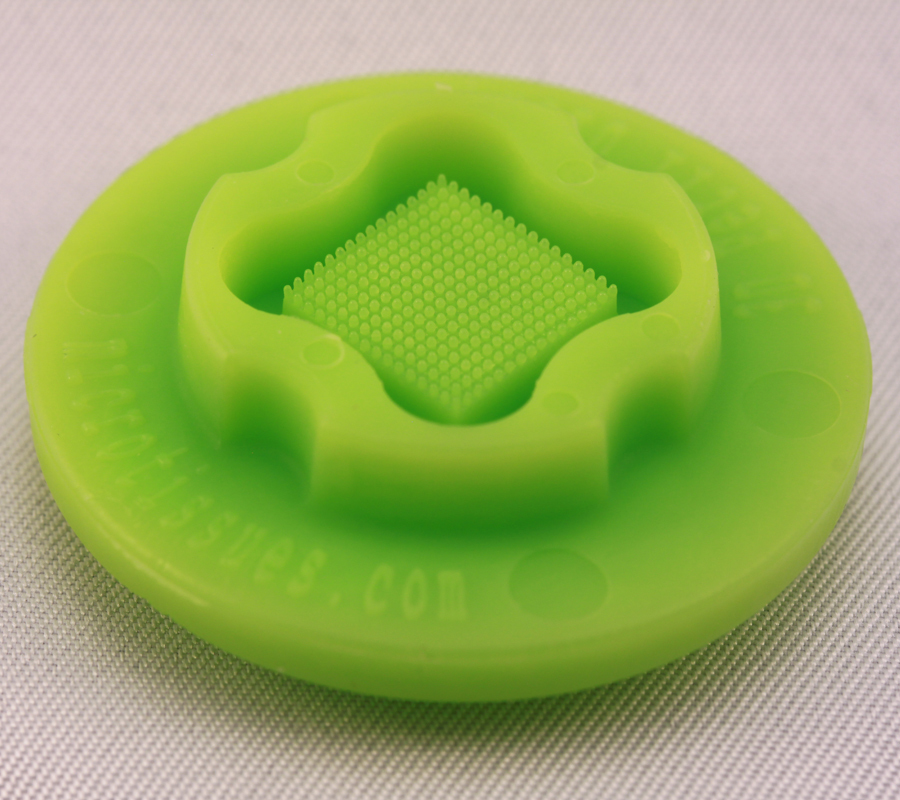
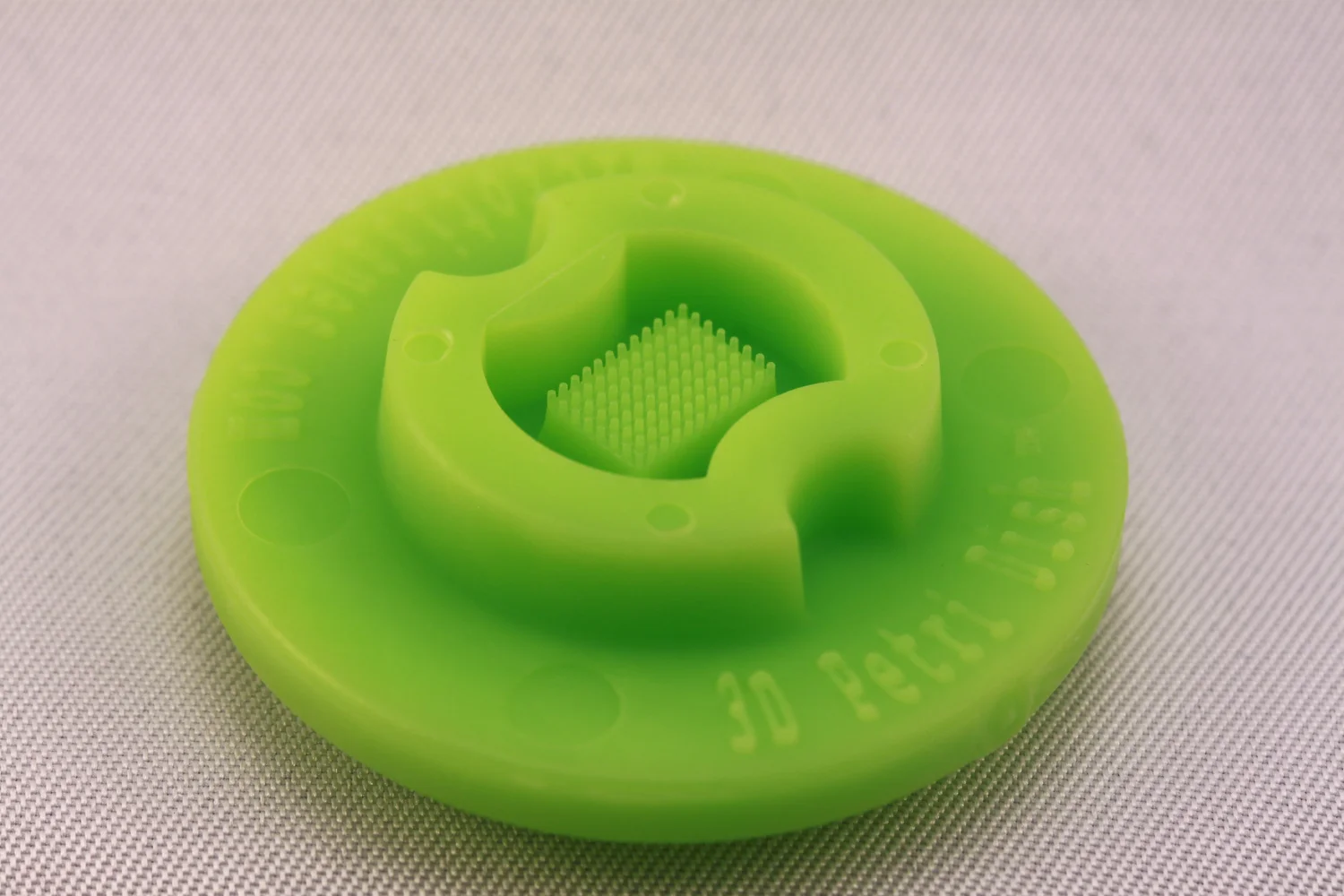
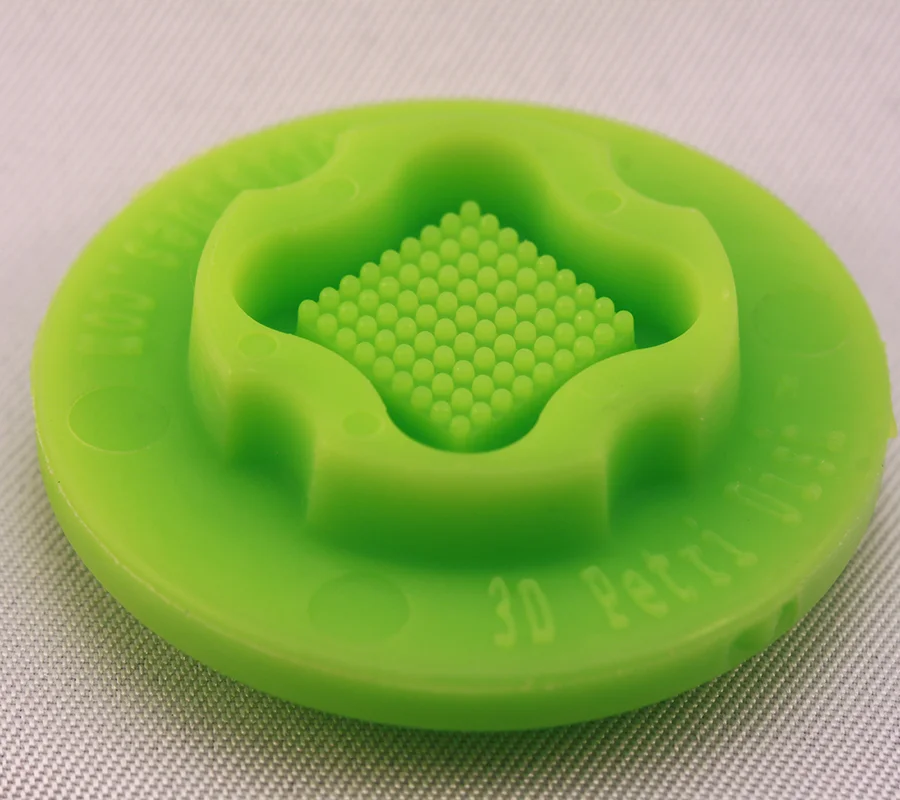
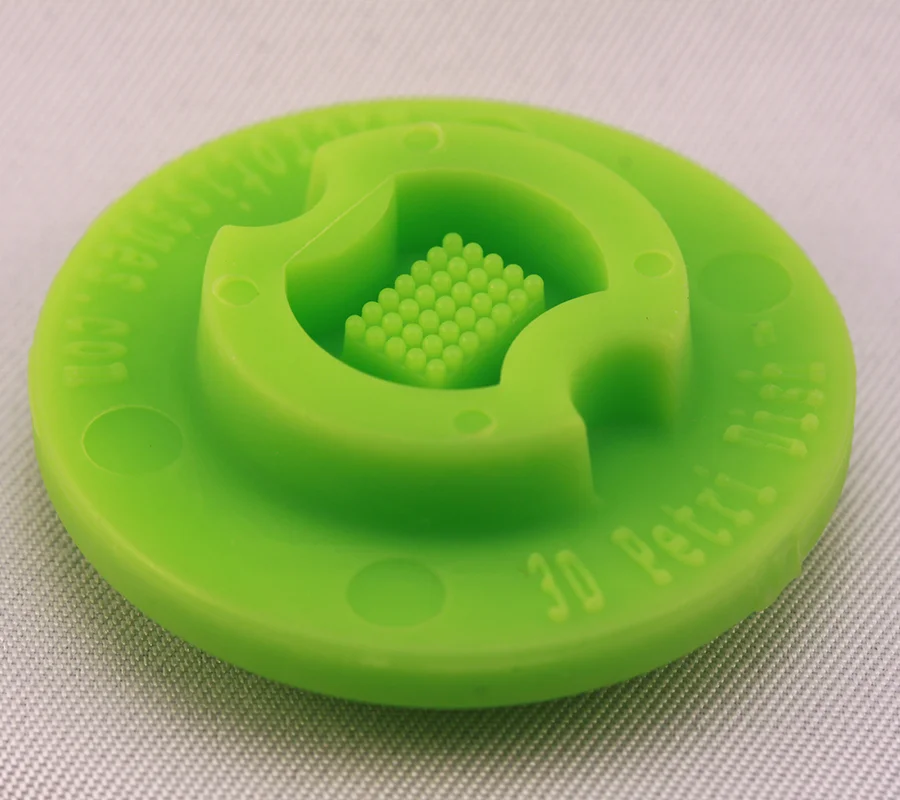
Published in International Endodontic Journal (2024), this peer-reviewed study used 3D Petri Dish® micro-molds to form scaffold-free 3D microtissues. Full citation: Yang, Shengyan, et al. Proanthocyanidin surface preconditioning of dental pulp stem cell spheroids enhances dimensional stability and biomineralization in vitro
Proanthocyanidin surface preconditioning of dental pulp stem cell spheroids enhances dimensional stability and biomineralization in vitro
Research Overview
Scaffold-free microtissues for dental pulp regeneration suffer from inadequate mechanical strength and progressive shrinkage. This study proposed surface preconditioning with proanthocyanidin, a natural collagen cross-linker, to stabilize the constructs.
Microtissue and macrotissue spheroids fabricated from dental pulp stem cells were incubated with proanthocyanidin solution for surface collagen cross-linking, then evaluated for cell viability, tissue integrity, and biomineralization — testing whether surface cross-linking can add mechanical stability while also triggering useful biological regulation.
Key Discoveries
- Proanthocyanidin surface cross-linking applied to dental pulp stem cell spheroids
- Targets the mechanical weakness and progressive shrinkage of scaffold-free microtissues
- Effects assessed on viability, tissue integrity, and biomineralization