
Summary
Research published in Nature Communications (2024) used 3D Petri Dish® tumor spheroids to discover that senescent cancer-associated fibroblasts (CAFs) suppress T cell activation in pancreatic cancer. Eliminating these cells with venetoclax significantly improves immunotherapy response.
Senescent cancer-associated fibroblasts in pancreatic adenocarcinoma restrict CD8+ T cell activation and limit responsiveness to immunotherapy in mice
Research Overview
Senescent cells in tumors and their stroma exert both pro- and anti-tumor effects, but their identity and therapeutic potential have been poorly defined. This study identified a senescent subset within cancer-associated fibroblasts in pancreatic ductal adenocarcinoma and in premalignant lesions in both mice and humans.
Senescent cancer-associated fibroblasts expressed elevated immune-regulatory genes. Depleting them — genetically or with the Bcl-2 inhibitor ABT-199 (venetoclax) — increased the proportion of activated CD8+ T cells in mouse pancreatic carcinomas, while inducing senescence in these fibroblasts had the opposite effect, identifying senescent stroma as a target for improving pancreatic cancer immunotherapy.
Key Discoveries
- Senescent CAFs accumulate in PDAC tumors and correlate with poor prognosis
- These cells suppress T cell infiltration and activation through secreted factors
- Venetoclax selectively eliminates senescent CAFs without affecting normal fibroblasts
- Combination of venetoclax + immunotherapy significantly improves tumor response
3D Petri Dish® Application
Enabled tumor spheroid growth to study tumor-fibroblast-immune cell interactions in 3D
- Tumor-Fibroblast Co-Culture: Spheroids allowed cancer cells and CAFs to interact in 3D
- T Cell Infiltration Studies: 3D models enabled realistic assessment of T cell penetration
- Drug Screening: Venetoclax efficacy was validated in 3D models before animal studies
Recommended Products
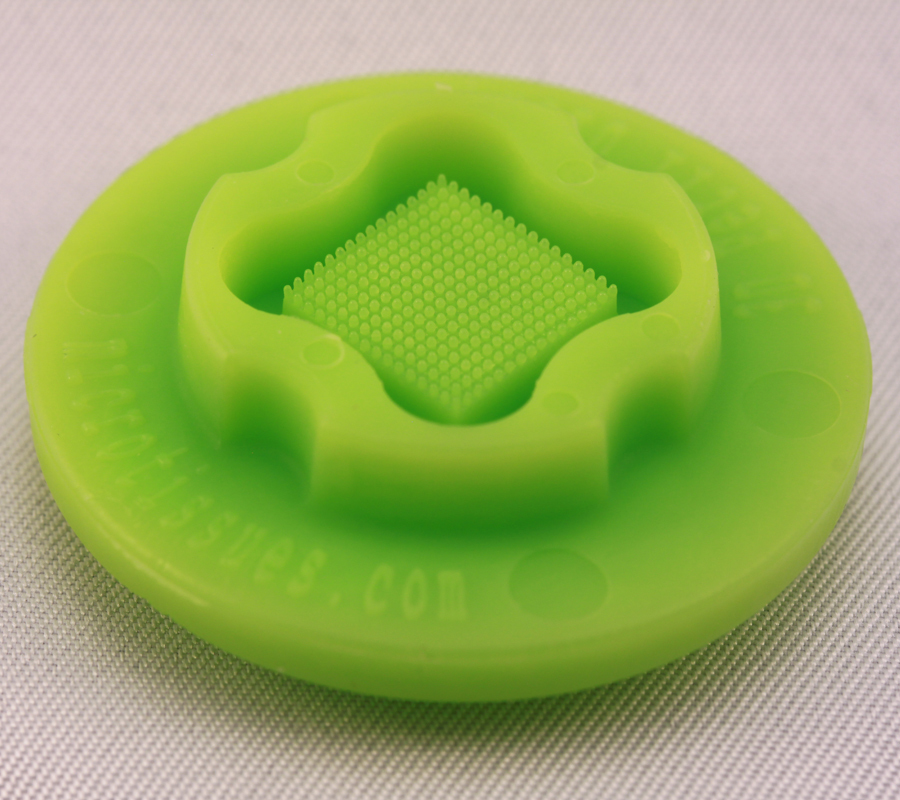
12-256 Small Spheroids
12-well plates · $575
View 12-256 →
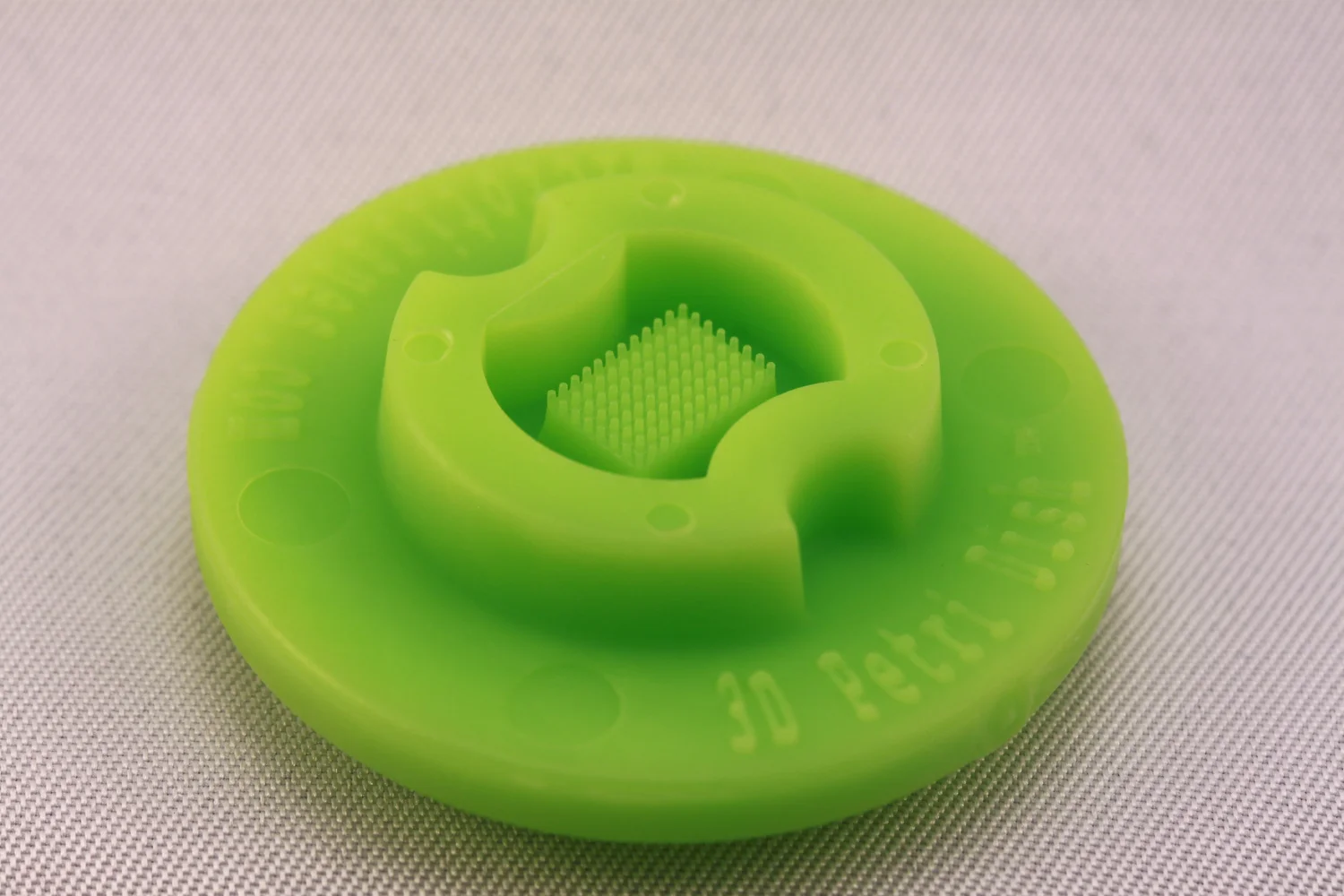
24-96 Small Spheroids
24-well plates · $575
View 24-96 →
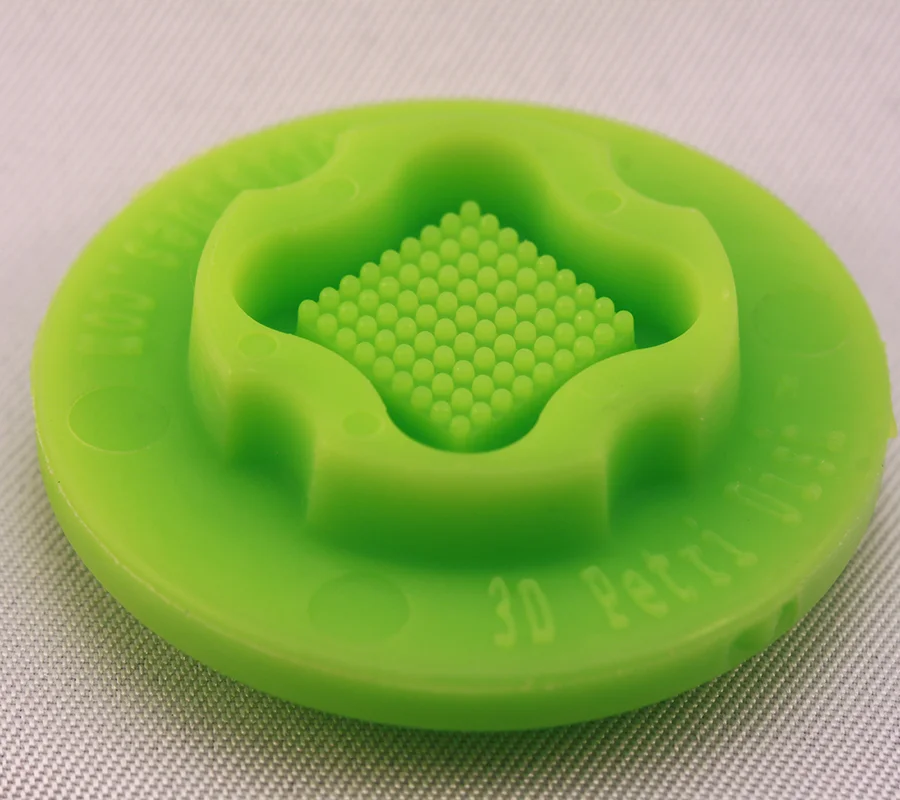
12-81 Large Spheroids
12-well plates · $575
View 12-81 →
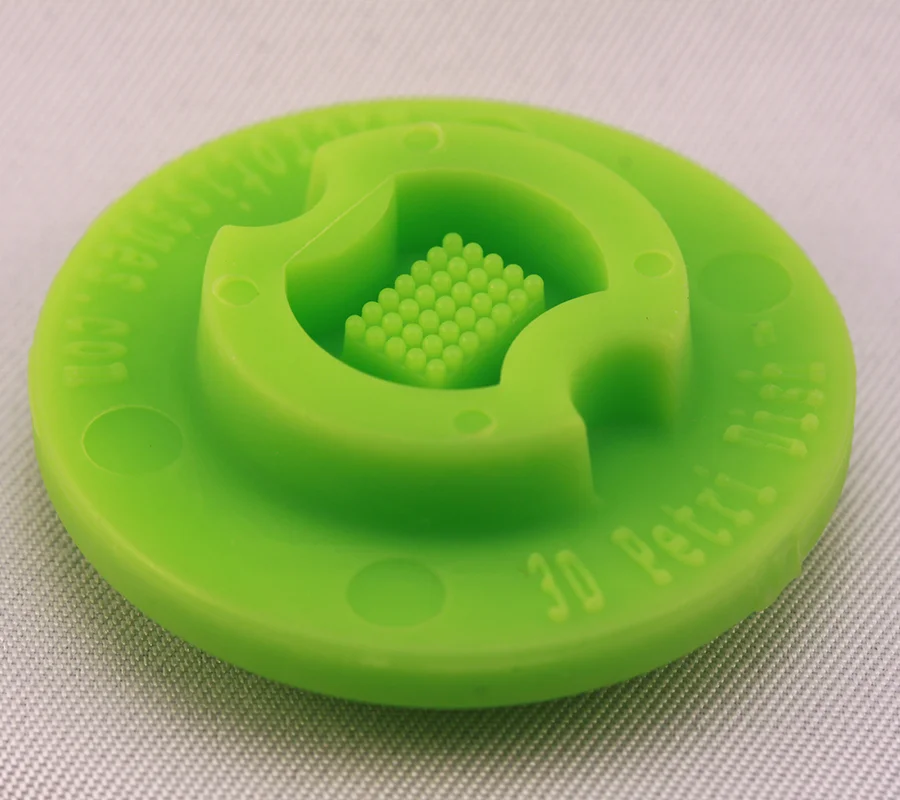
24-35 Large Spheroids
24-well plates · $575
View 24-35 →
Frequently Asked Questions
What is the best method for creating pancreatic cancer tumor spheroids?
The 3D Petri Dish® micro-mold system is ideal for creating uniform pancreatic cancer tumor spheroids. It enables scaffold-free self-assembly, consistent spheroid size, and easy co-culture with stromal cells like CAFs.
How do 3D spheroids improve immunotherapy research?
3D spheroids better mimic the tumor microenvironment compared to 2D cultures. They allow realistic modeling of T cell infiltration and tumor-stroma interactions.
Which 3D Petri Dish® product is best for cancer co-culture research?
For tumor-stromal co-culture studies, we recommend the 12-81 Large Spheroid Kit for larger tissue masses, or the 12-256 Small Spheroid Kit for higher throughput screening.