Summary
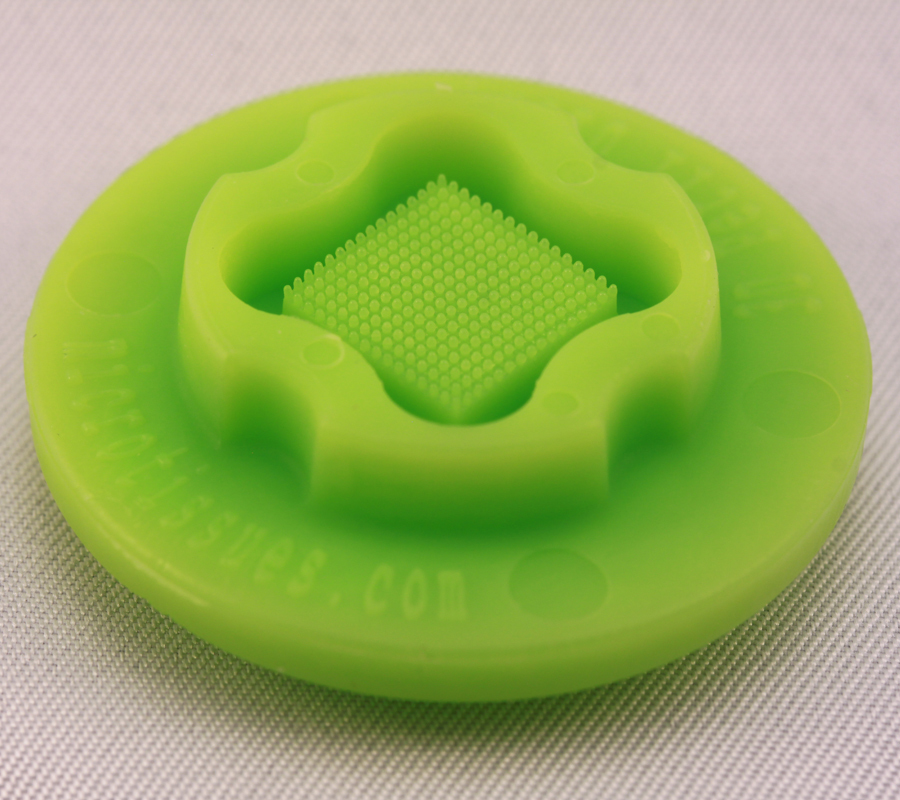
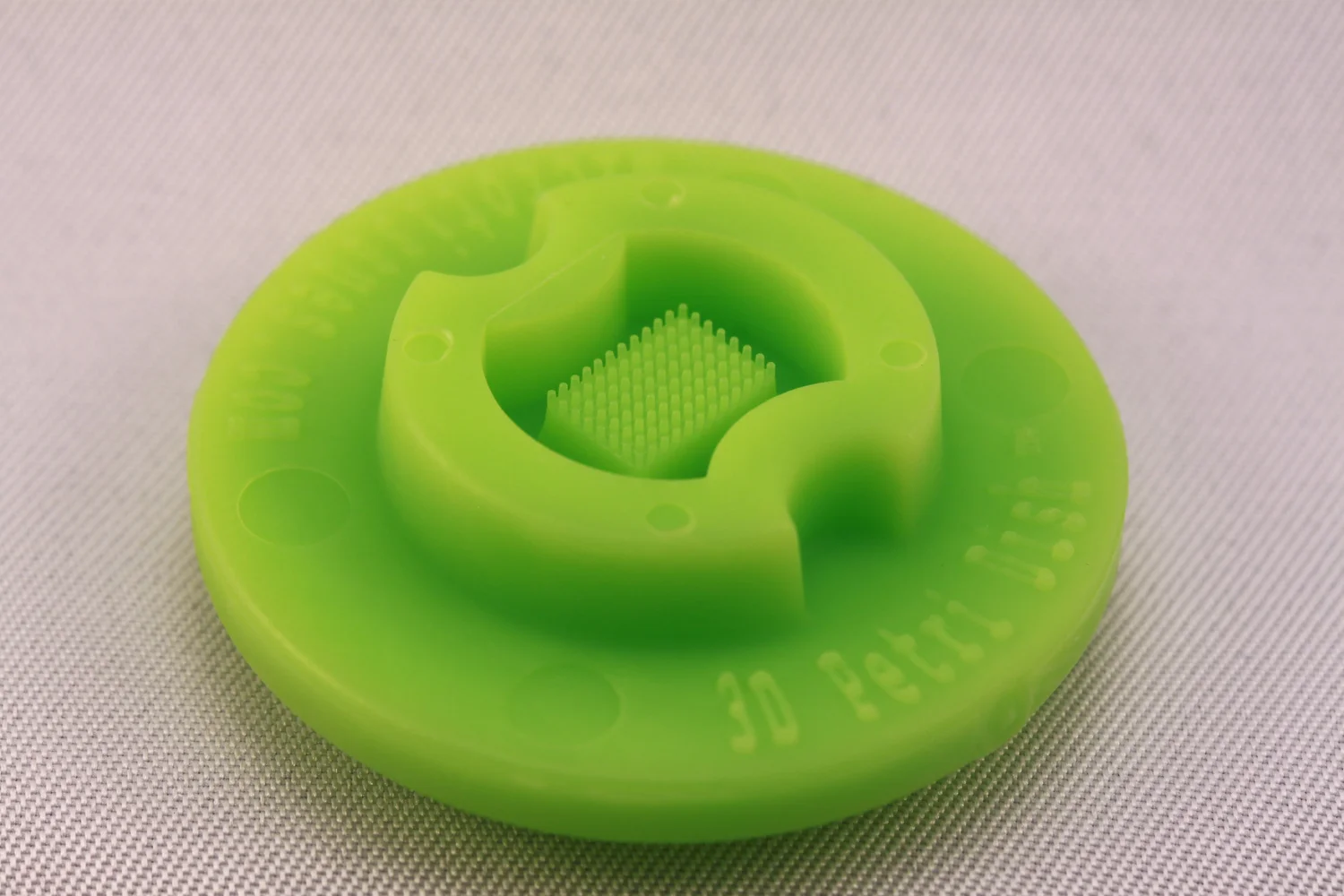
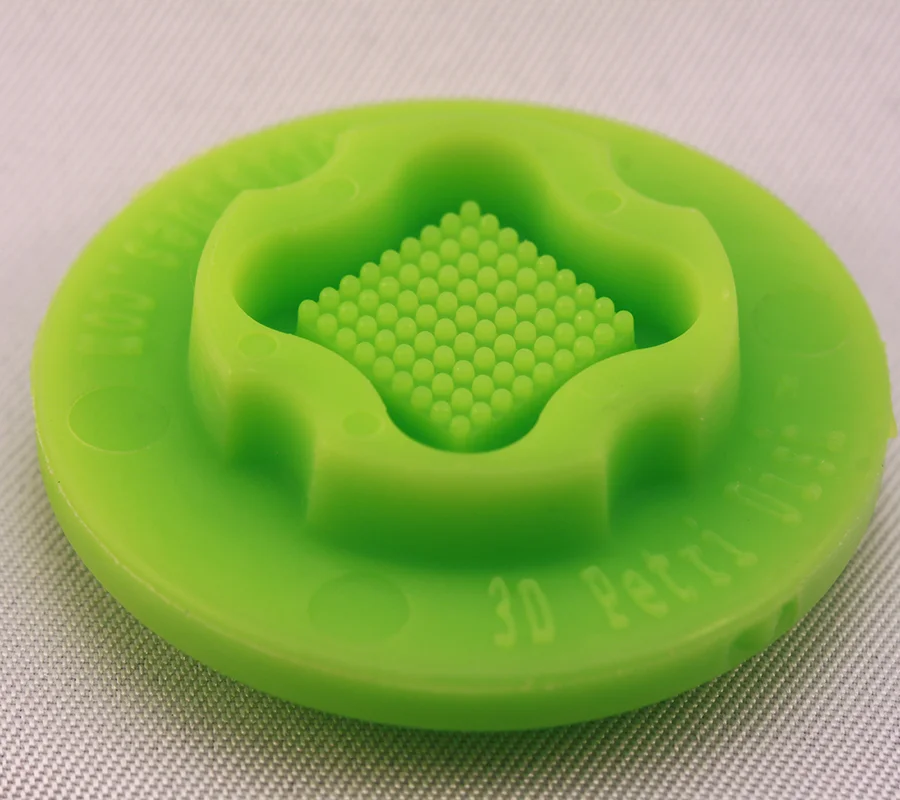
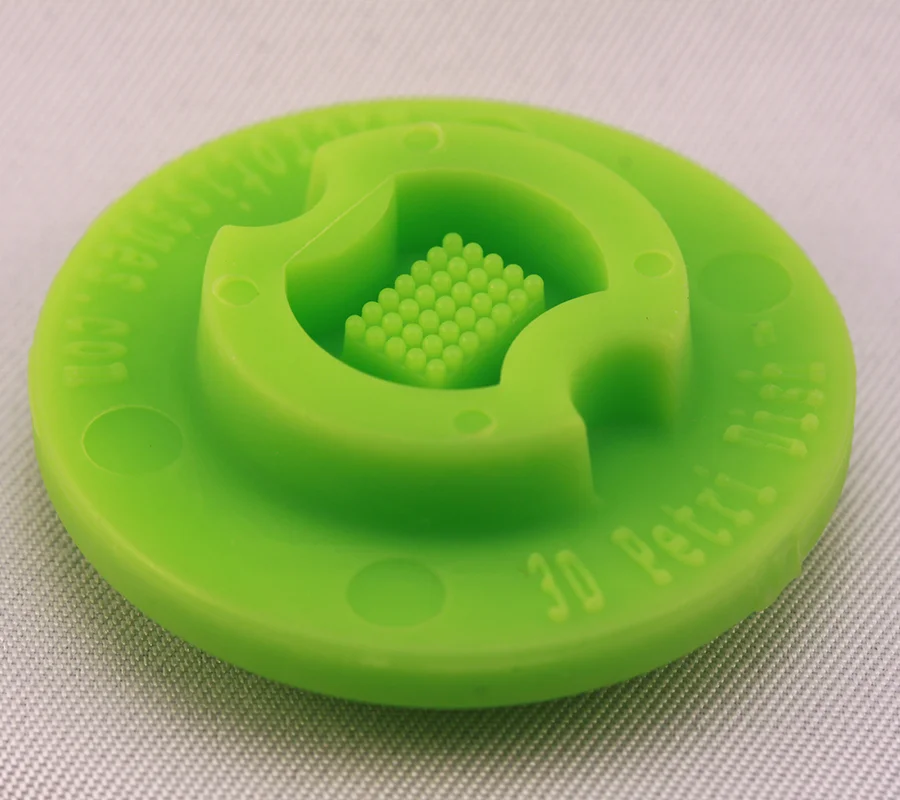
Published in Journal of Applied Toxicology (2026), this peer-reviewed study used 3D Petri Dish® micro-molds to form scaffold-free 3D microtissues. Full citation: Montenegro, Bianca, et al. New Approach Methodologies (NAMs) in Alternative Methods: A Comparative Cytotoxicity Analysis of Nanostructured Hydroxyapatite in Adipose Stem Cells Spheroids
New Approach Methodologies (NAMs) in Alternative Methods: A Comparative Cytotoxicity Analysis of Nanostructured Hydroxyapatite in Adipose Stem Cells Spheroids
Research Overview
Nanoparticles headed for medical use need toxicological assessment, and spheroids predict risk better than monolayers because they reproduce cell–cell interactions. Following OECD guidelines, this study ran a comparative nanotoxicology analysis of adipose stem cells grown in 2D and as 3D spheroids, testing nanostructured carbonated hydroxyapatite.
The Neutral Red Uptake assay and an ATP quantification assay were applied to both formats and compared to identify which cytotoxicity readout is best suited to spheroids. An IC50 for the reference toxicant SDS was determined and spheroid morphology was analyzed — groundwork for adopting spheroid-based New Approach Methodologies in nanoparticle safety testing.
Key Discoveries
- Adipose stem cell monolayers and spheroids compared under OECD-guided cytotoxicity testing
- Neutral Red Uptake and ATP assays evaluated for suitability in a 3D spheroid format
- Nanostructured carbonated hydroxyapatite toxicity and an SDS reference IC50 established in spheroids