Summary
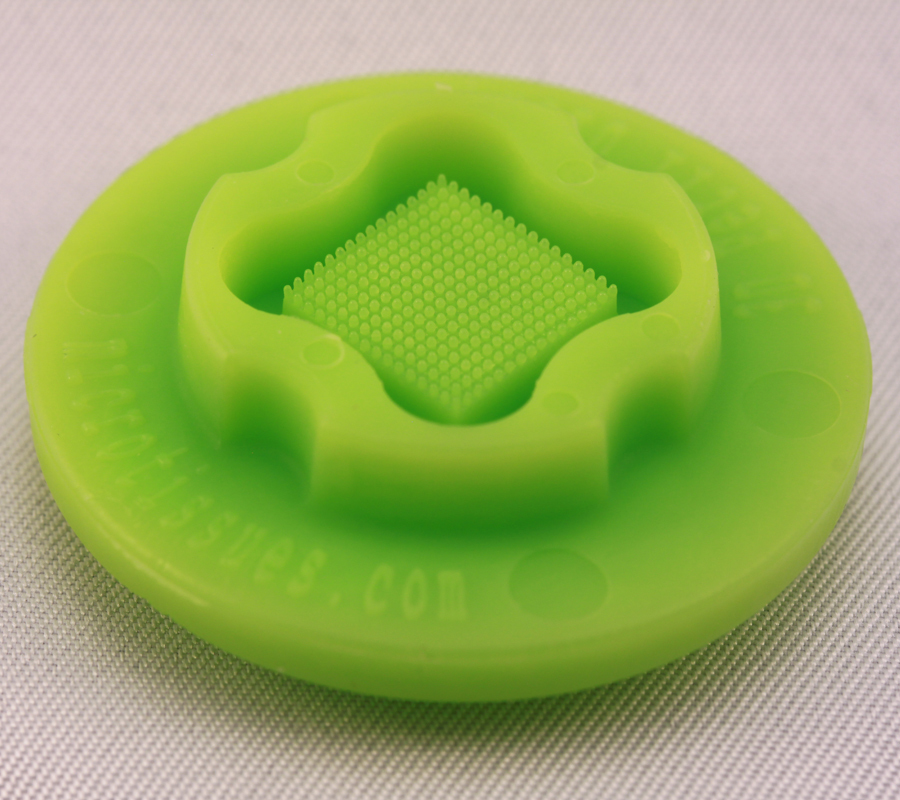
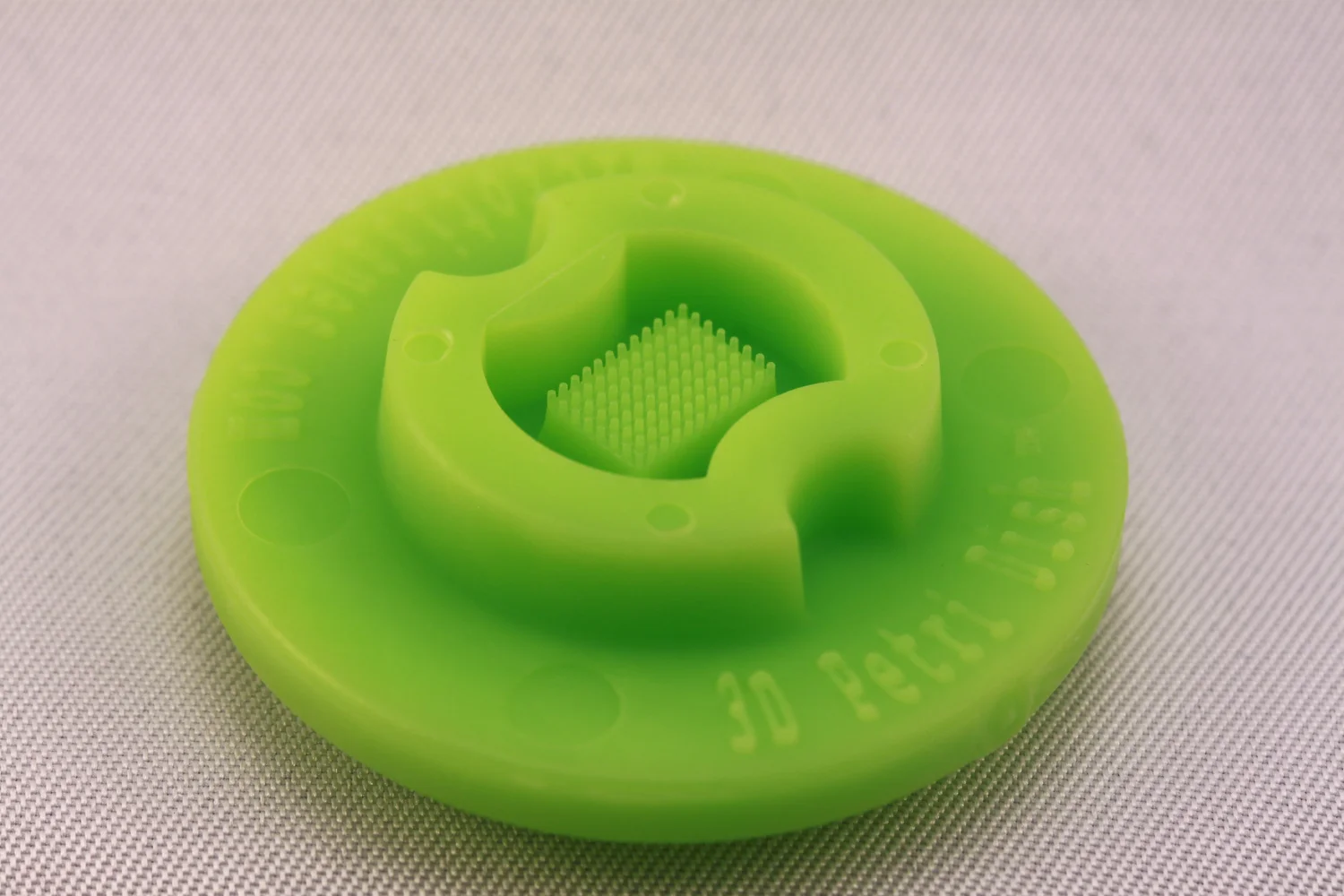
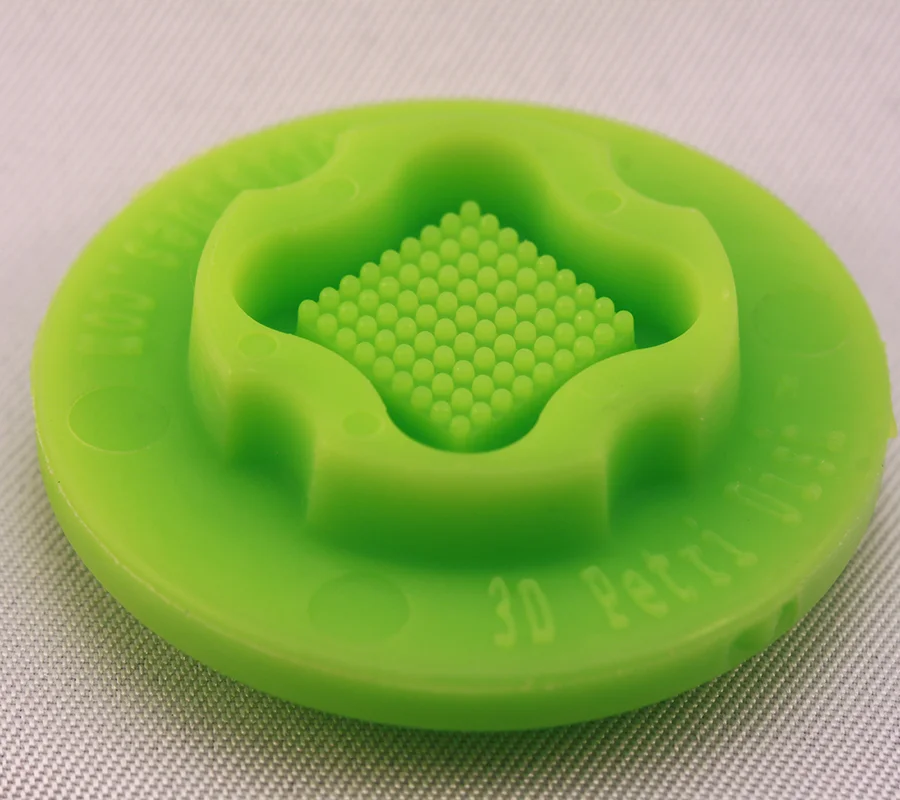
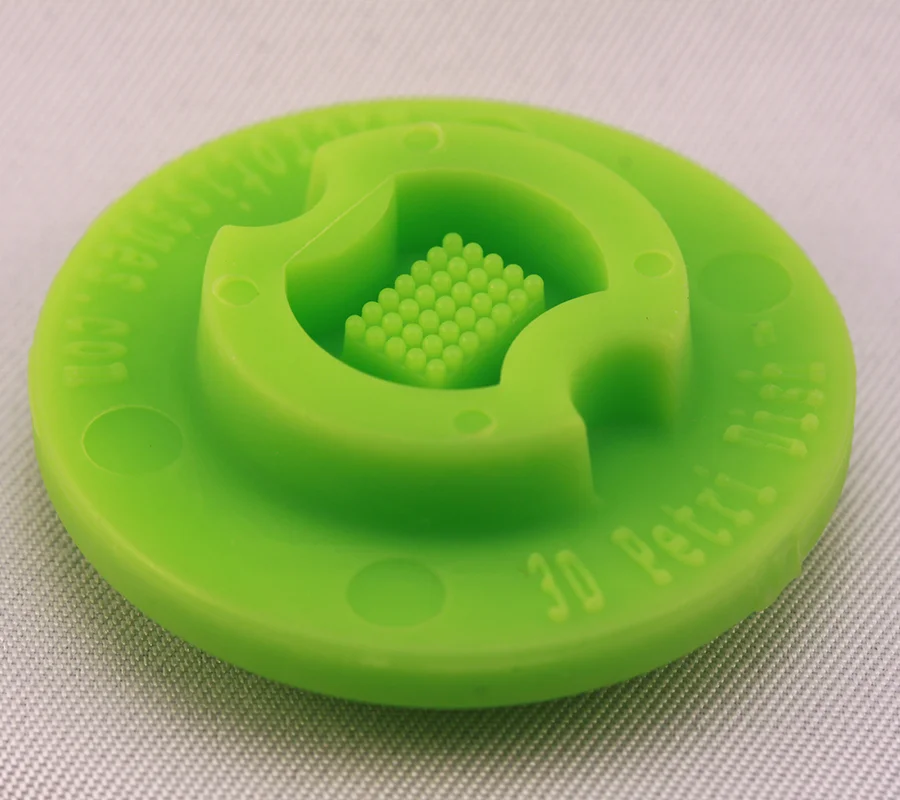
Published in Stem Cell Research & Therapy (2023), this peer-reviewed study used 3D Petri Dish® micro-molds to form scaffold-free 3D microtissues. Full citation: Peshkova, Maria, et al. MSCs’ conditioned media cytokine and growth factor profiles and their impact on macrophage polarization
MSCs’ conditioned media cytokine and growth factor profiles and their impact on macrophage polarization
Research Overview
Mesenchymal stromal cells owe much of their therapeutic potential to paracrine signaling — a secretome of cytokines, growth factors, and extracellular vesicles that modulates inflammation and promotes regeneration. Because culture format is known to shape that secretome, this study compared cytokine and growth-factor secretion from human MSCs cultured in 2D versus 3D and tested the effect on human macrophage polarization in vitro.
MSCs were sourced from adipose tissue, bone marrow, gingiva, placenta, and umbilical cord, allowing the study to separate the influence of culture dimensionality from the influence of tissue origin on what the cells secrete and how it steers macrophages.
Key Discoveries
- MSC secretome compared between 2D and 3D culture across five tissue sources
- Sources: adipose, bone marrow, gingiva, placenta, and umbilical cord
- Conditioned media tested for effects on human macrophage polarization