Summary
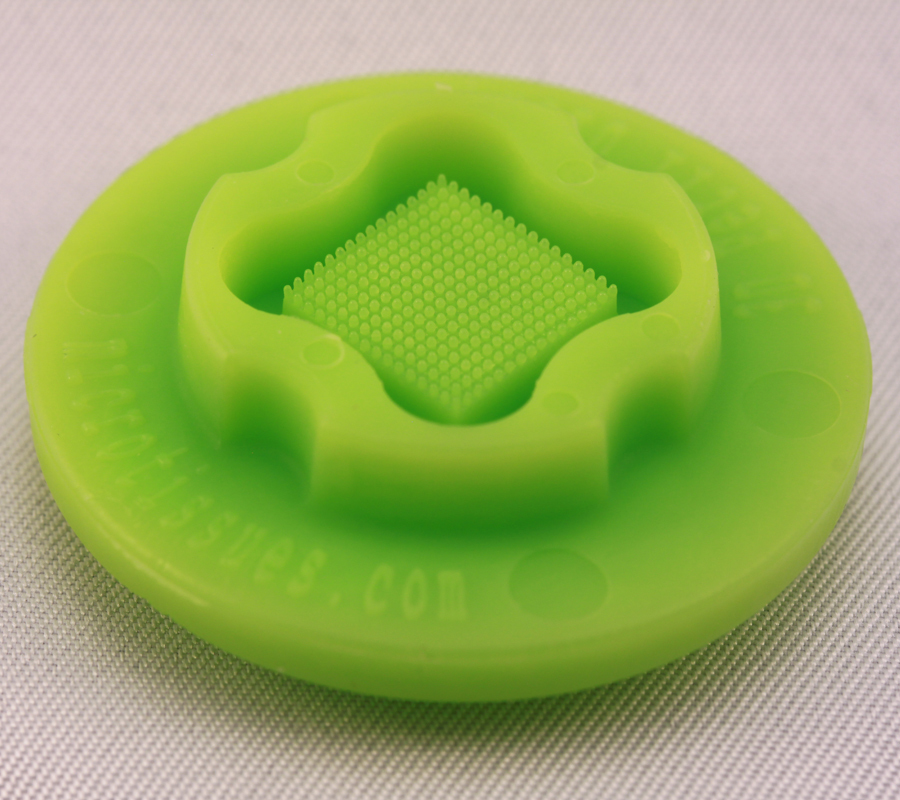
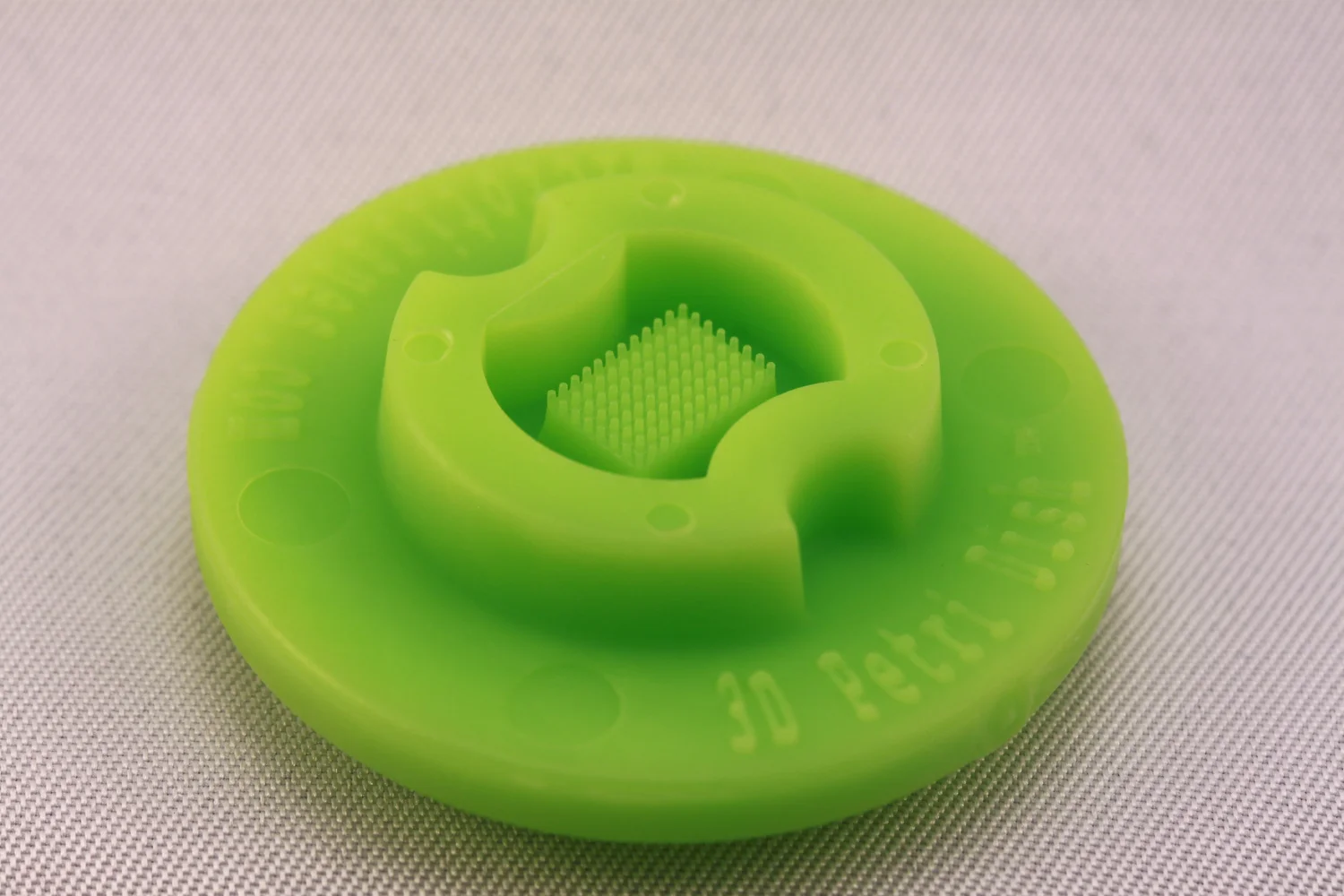
Published in Nature Communications (2019), this peer-reviewed study used 3D Petri Dish® micro-molds to form scaffold-free 3D microtissues. Full citation: Chen, Xinyue, et al. MLL-AF9 initiates transformation from fast-proliferating myeloid progenitors
MLL-AF9 initiates transformation from fast-proliferating myeloid progenitors
Research Overview
Cancer is hyper-proliferative, but whether that proliferative state comes from the cell of origin or emerges later has been hard to resolve. By tracking de novo transformation of normal hematopoietic progenitors expressing the acute myeloid leukemia oncogene MLL-AF9, this study showed that heterogeneity in cell cycle rate among granulocyte-macrophage progenitors (GMPs) determines their probability of transforming.
A fast intrinsic cell cycle made progenitors permissive to transformation — the fastest-cycling 3% of GMPs acquired malignancy with near certainty. The authors propose that MLL-AF9 preserves the gene expression program of whatever cell state it is expressed in, so that in rapidly cycling immature myeloid progenitors that state becomes perpetuated as malignancy.
Key Discoveries
- Cell cycle rate heterogeneity among GMPs determined transformation probability under MLL-AF9
- The fastest-cycling 3% of GMPs became malignant with near certainty
- Model: MLL-AF9 locks in the gene expression state of the cell it is expressed in