Summary
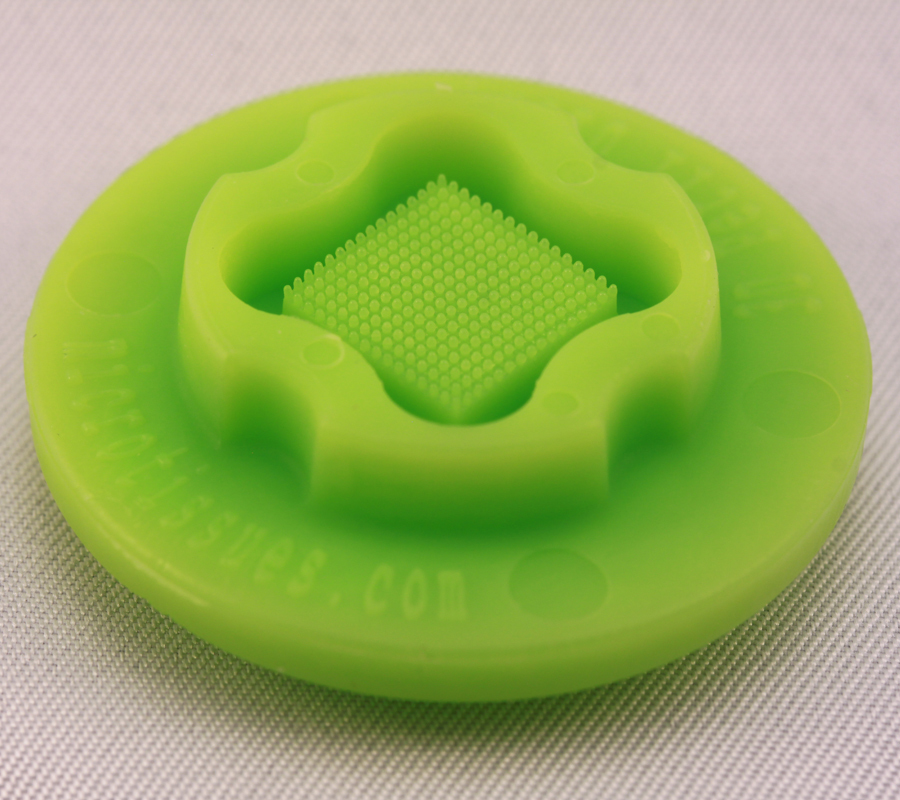
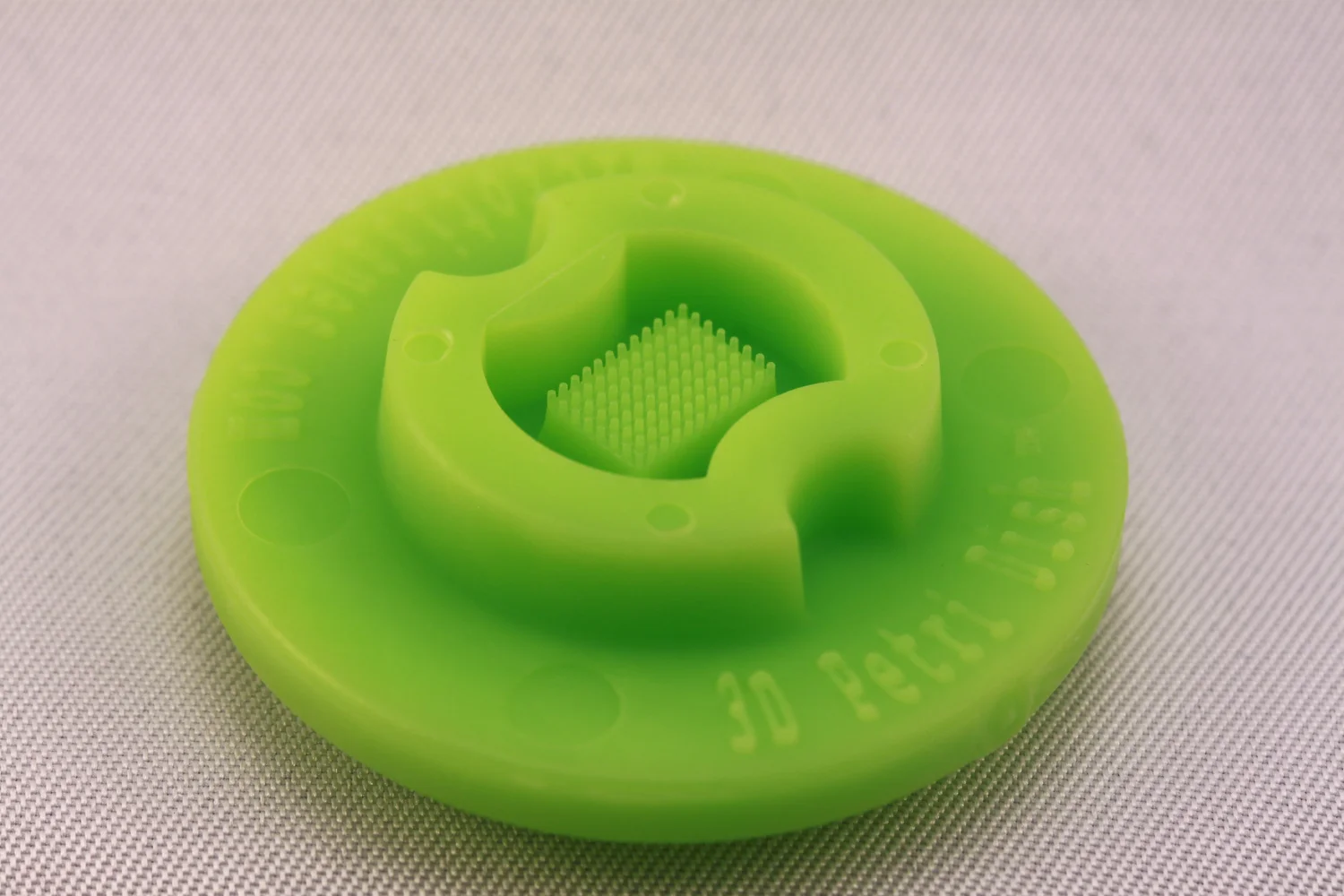
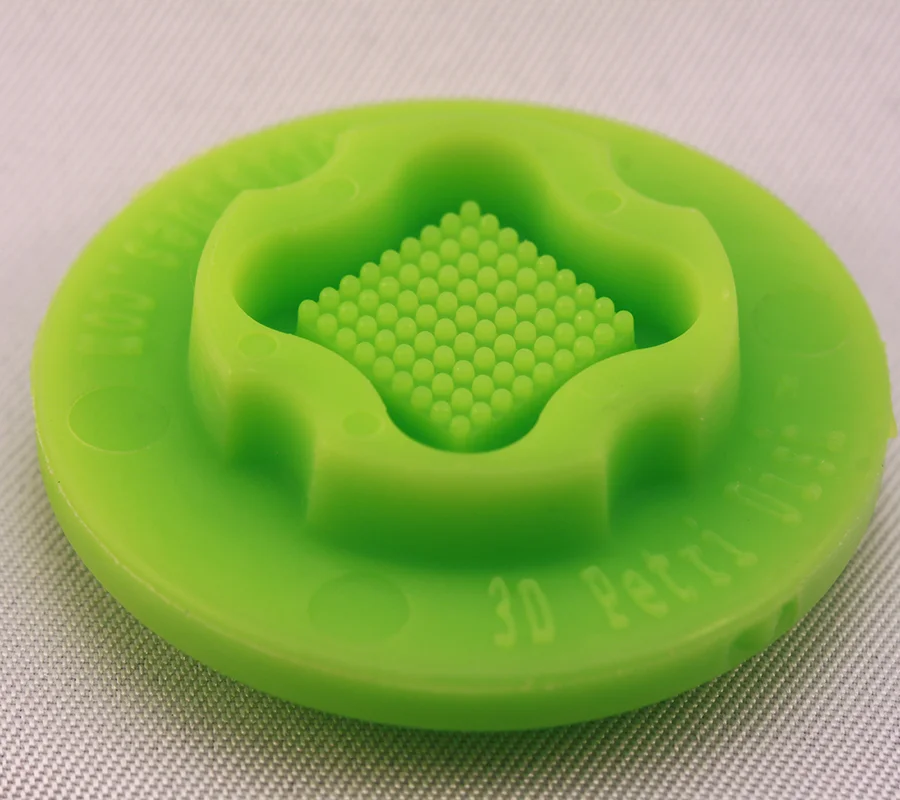
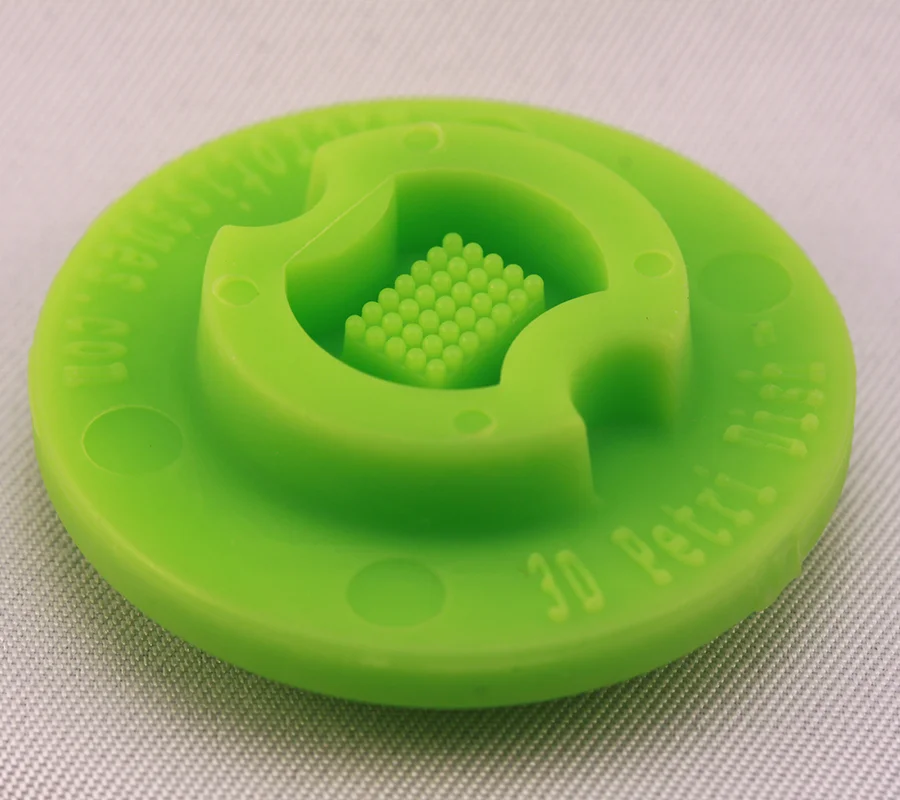
Published in Advanced Science (2024), this peer-reviewed study used 3D Petri Dish® micro-molds to form scaffold-free 3D microtissues. Full citation: Wang, Yifan, et al. Mitochondria Transplantation to Bone Marrow Stromal Cells Promotes Angiogenesis During Bone Repair
Mitochondria Transplantation to Bone Marrow Stromal Cells Promotes Angiogenesis During Bone Repair
Research Overview
Angiogenesis is essential for repairing bone defects, and co-transplanting bone marrow stromal cells with endothelial cells has shown promise for boosting vascularization — but poor cell survival in hostile tissue limits it. This study isolated mitochondria from human bone marrow stromal cells and transplanted them into cells of the same batch and passage.
The mitochondria-augmented stromal cells markedly enhanced endothelial angiogenesis in tube-formation and spheroid-sprouting assays and in transplantation experiments in mice and rats, with Dll4–Notch1 signaling identified as a key pathway. Co-transplanting the augmented cells with endothelial cells into a rat cranial bone defect improved repair.
Key Discoveries
- Mitochondrial transplantation into BMSCs boosted their pro-angiogenic effect on endothelial cells
- Effect confirmed by tube formation, spheroid sprouting, and in vivo mouse and rat models
- Dll4-Notch1 signaling identified as key; improved repair in a rat cranial bone defect