Summary
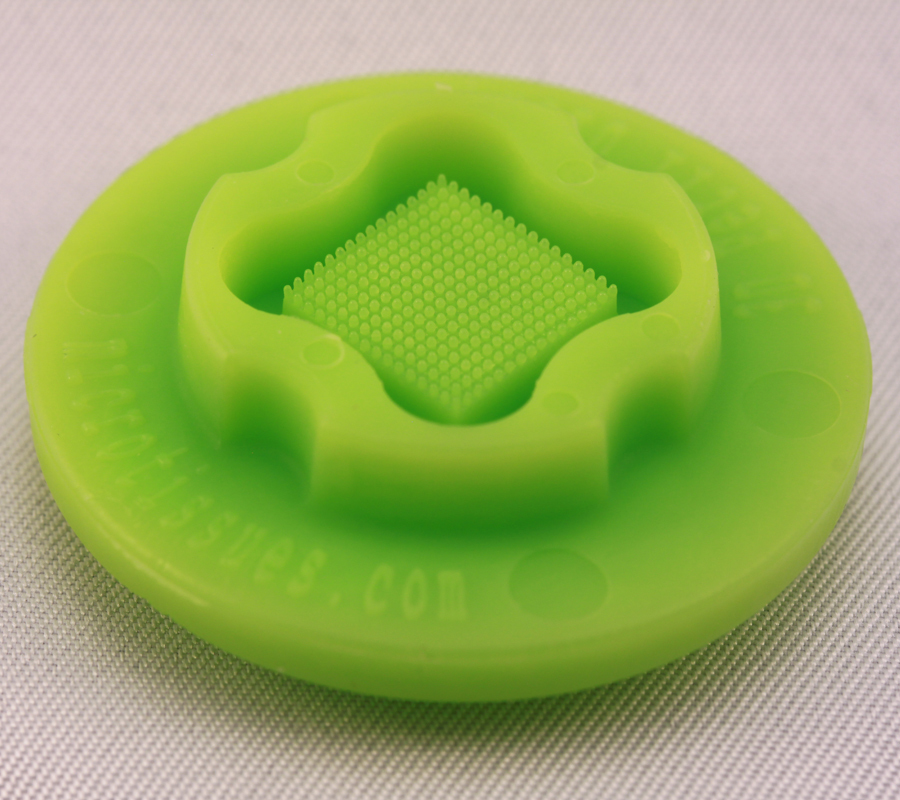
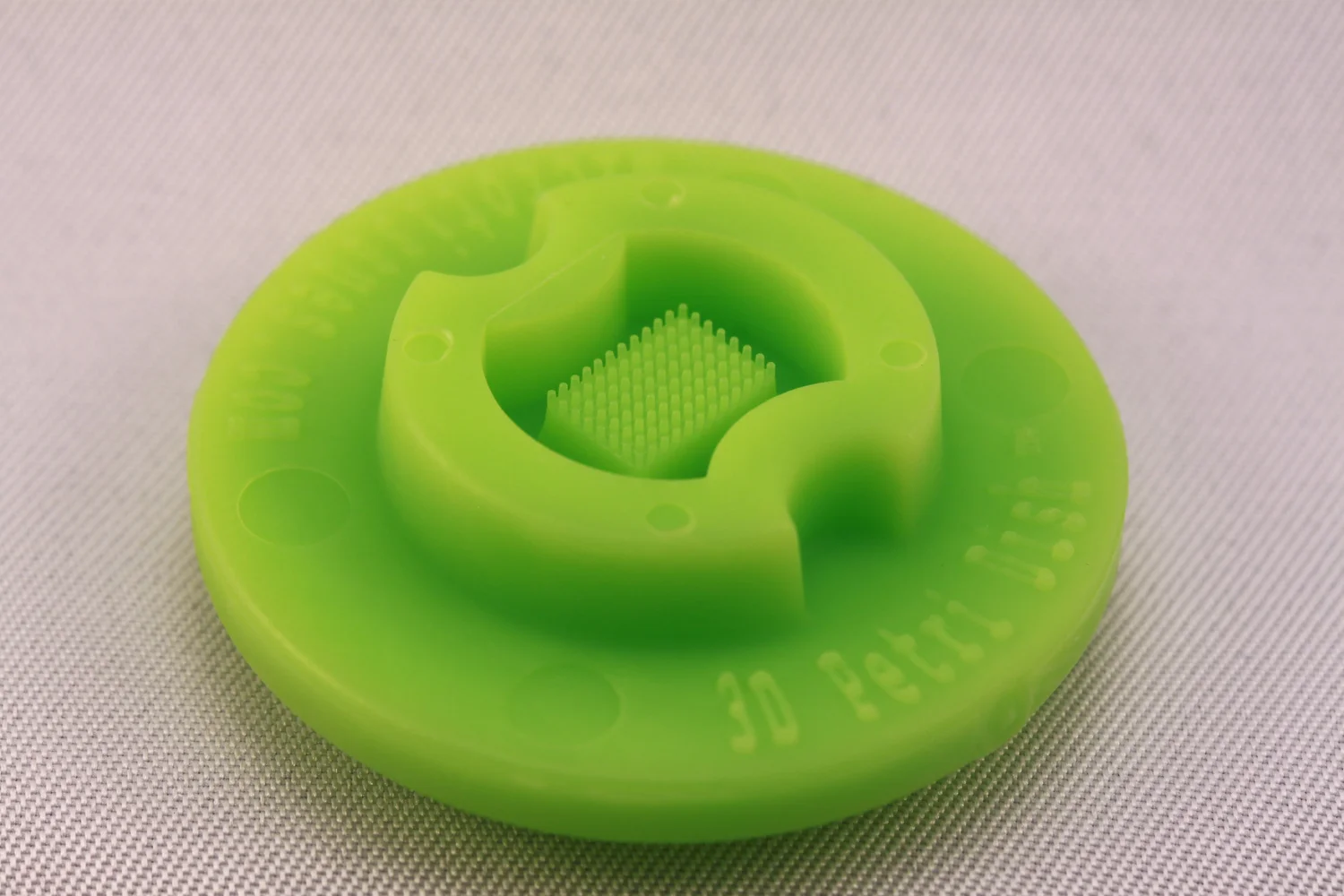
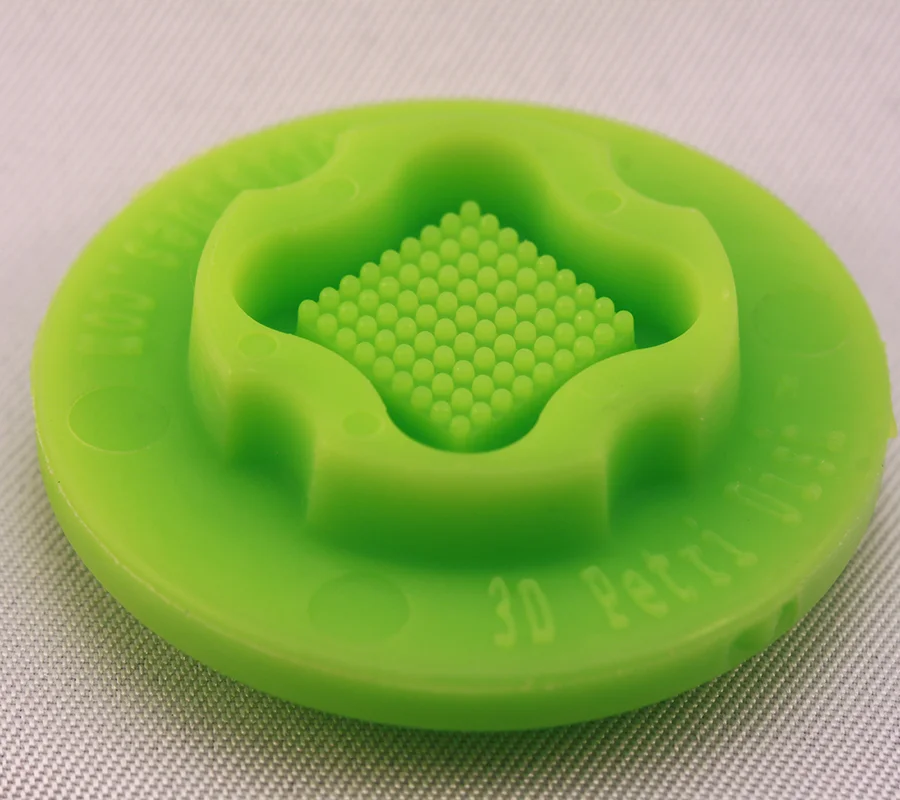
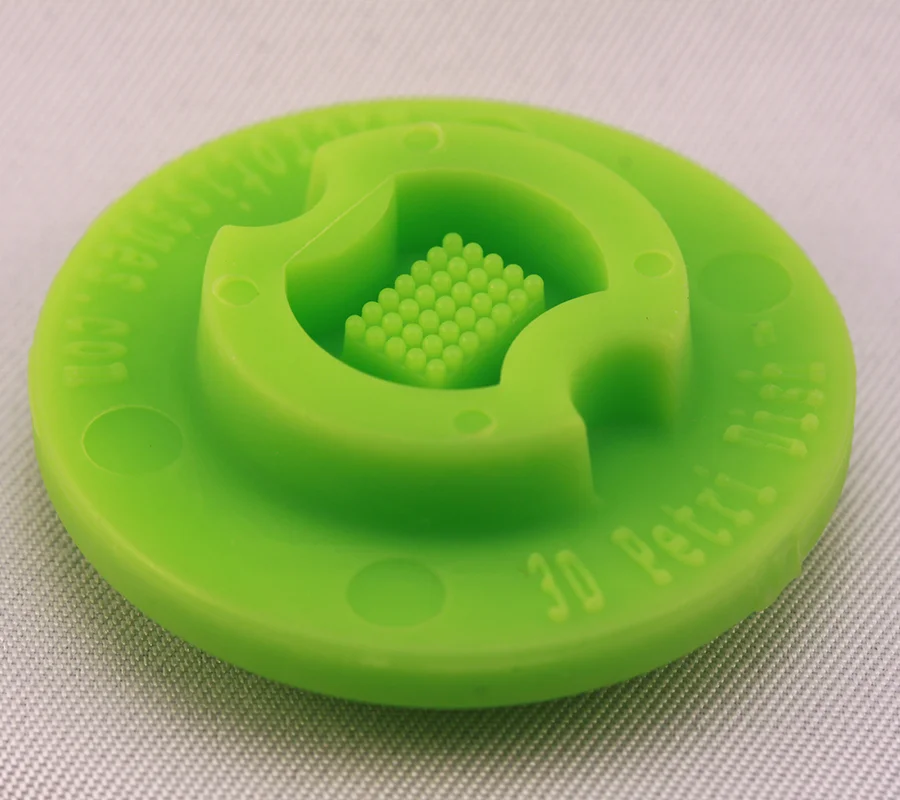
Published in Frontiers in Cell and Developmental Biology (2023), this peer-reviewed study used 3D Petri Dish® micro-molds to form scaffold-free 3D microtissues. Full citation: Côrtes, Isis, et al. Mimicking lipolytic, adipogenic, and secretory capacities of human subcutaneous adipose tissue by spheroids from distinct subpopulations of adipose stromal/stem cells
Mimicking lipolytic, adipogenic, and secretory capacities of human subcutaneous adipose tissue by spheroids from distinct subpopulations of adipose stromal/stem cells
Research Overview
Engineered adipose tissue can provide 3D models for obesity and type II diabetes, and distinct adipose stem/stromal cell subpopulations have recently been identified in subcutaneous fat: superficial, deep, and the superficial retinacula cutis. This study cultured each subpopulation as 3D spheroids, induced adipogenesis, and applied lipopolysaccharide as a pro-inflammatory stimulus.
Using abdominal subcutaneous tissue from aesthetic surgery, spheroids from the superficial layer responded most strongly to adipogenic induction. All spheroids increased lipolysis under LPS, but those from the deep layer did so significantly more than superficial (p = 0.0045) or retinacula cutis spheroids (p = 0.0005) — the subpopulations differ functionally, not just anatomically.
Key Discoveries
- Three subcutaneous ASC subpopulations (superficial, deep, retinacula cutis) grown as adipogenic spheroids
- Superficial-layer spheroids showed the strongest adipogenic response
- Under LPS, deep-layer spheroids increased lipolysis significantly more than the other two (p = 0.0045, p = 0.0005)