Summary
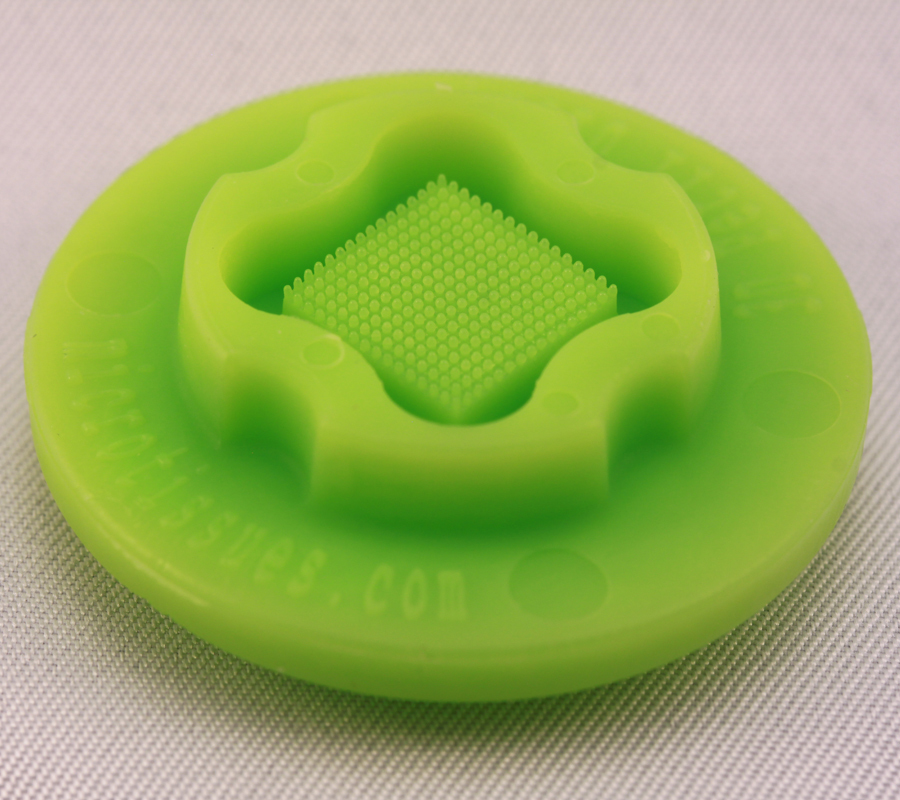
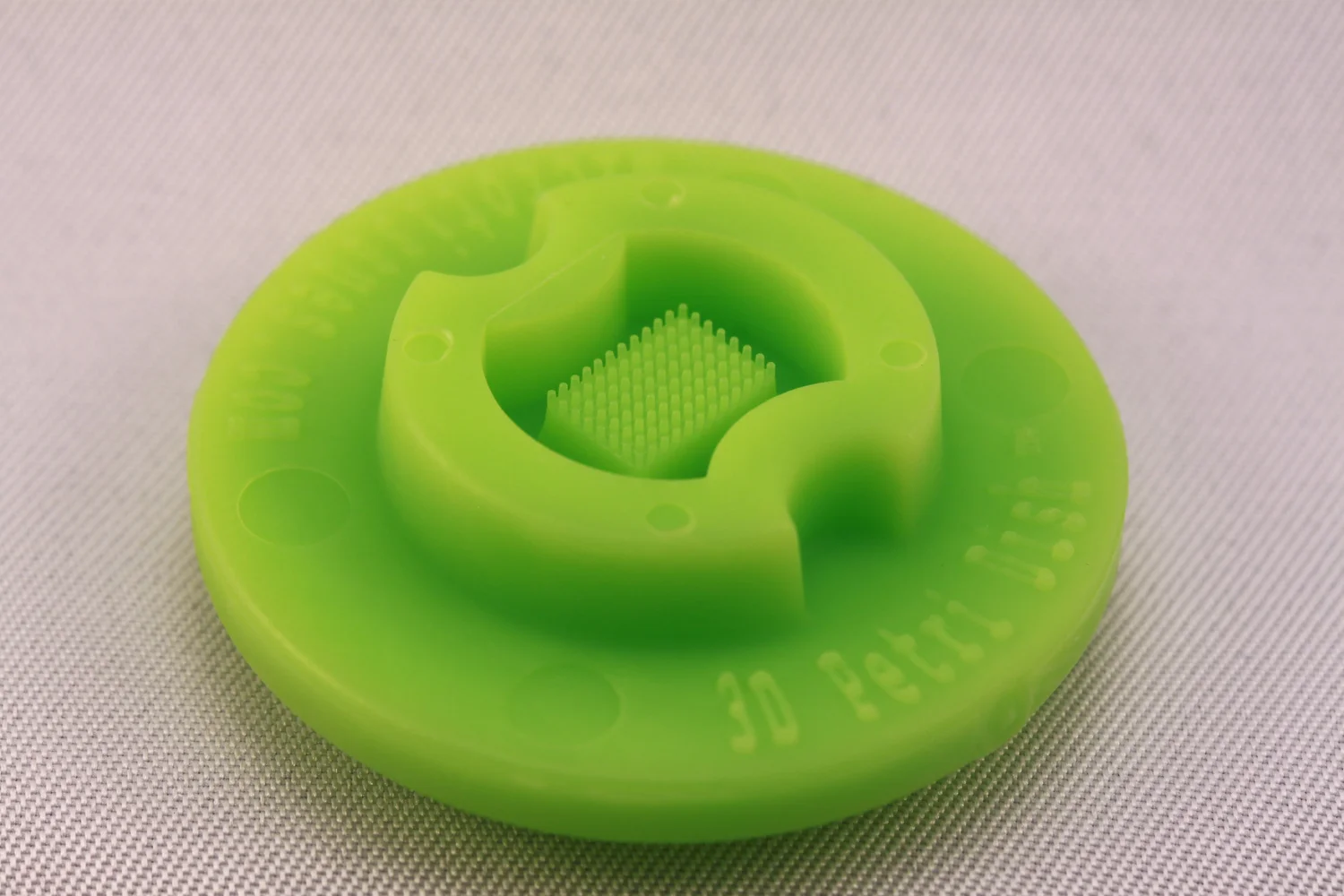
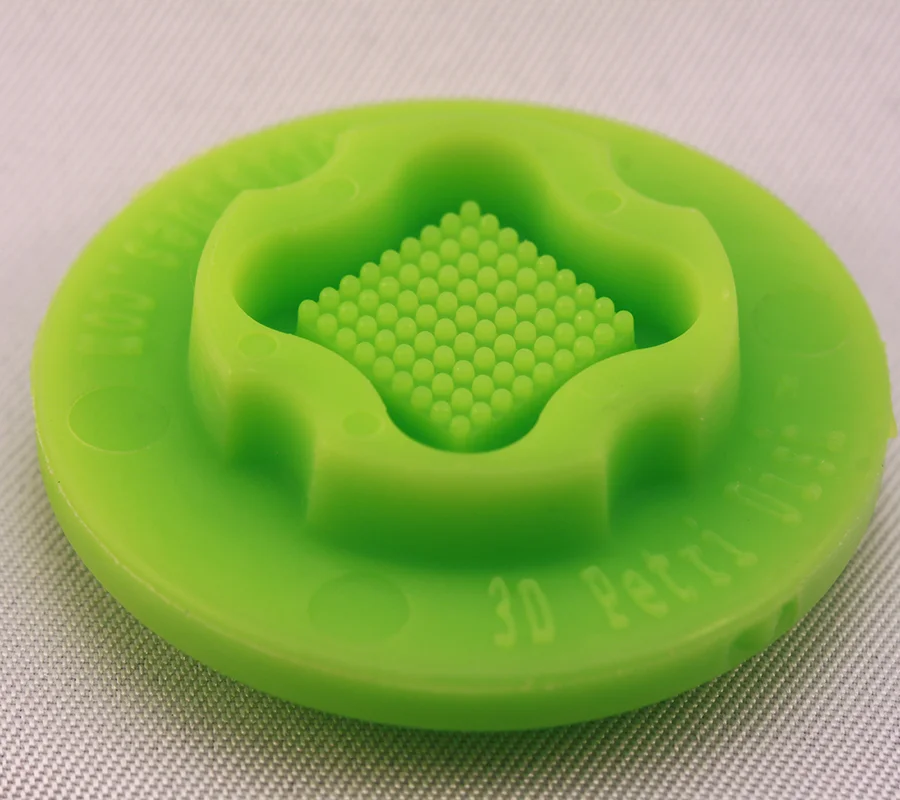
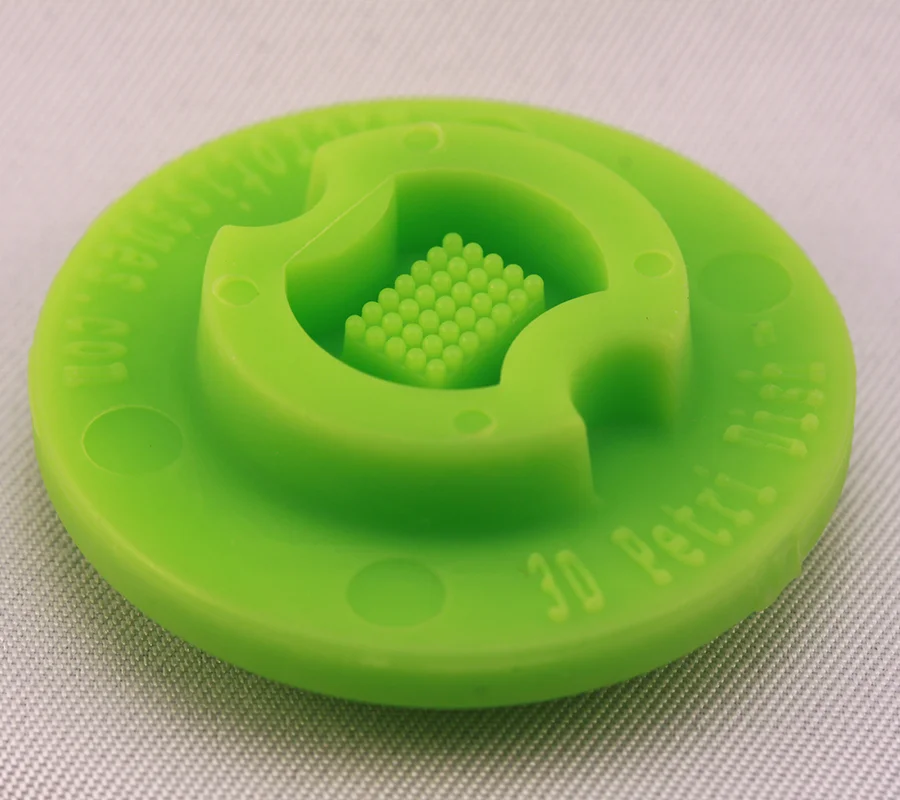
Published in Brain Pathology (2024), this peer-reviewed study used 3D Petri Dish® micro-molds to form scaffold-free 3D microtissues. Full citation: Škarková, Aneta, et al. Microtubule‐associated NAV3 regulates invasive phenotypes in glioblastoma cells
Microtubule‐associated NAV3 regulates invasive phenotypes in glioblastoma cells
Research Overview
Glioblastomas remain lethal partly because of their phenotypic plasticity — tumor-core cells coexist with dispersed, highly invasive ones. Neuron navigator 3 (NAV3), a microtubule-associated protein governing microtubule growth and dynamics, is downregulated in many cancers including glioblastoma and has therefore been labeled a tumor suppressor.
This study challenges that label. Across glioblastoma cell lines and patient-derived glioma stem-like cultures, NAV3 was upregulated in actively invading cells and lower in cells residing in tumor spheroid cores — an expression pattern that tracks invasion phenotype rather than tumor presence, and links NAV3 to the invasive state itself.
Key Discoveries
- NAV3 was higher in invading glioblastoma cells and lower in spheroid-core cells
- Pattern held in both cell lines and patient-derived glioma stem-like cultures
- Challenges NAV3's designation as a simple tumor suppressor