Summary
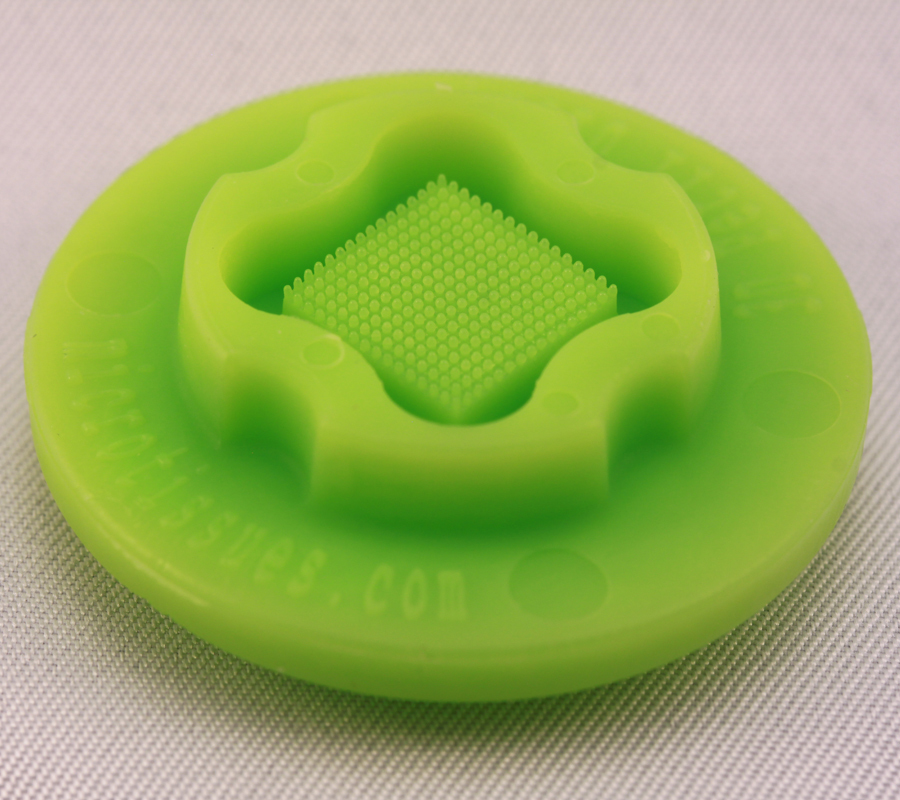
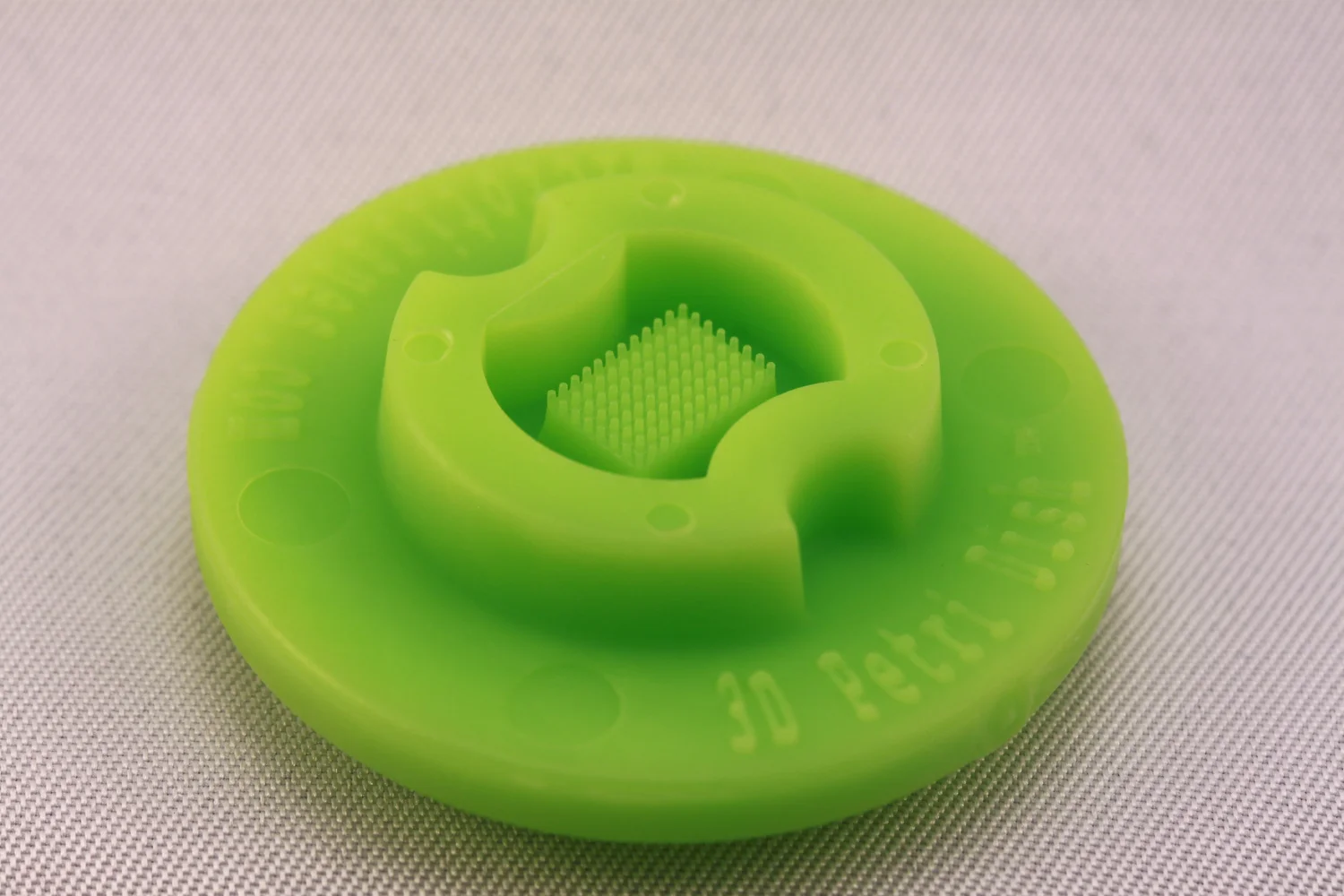
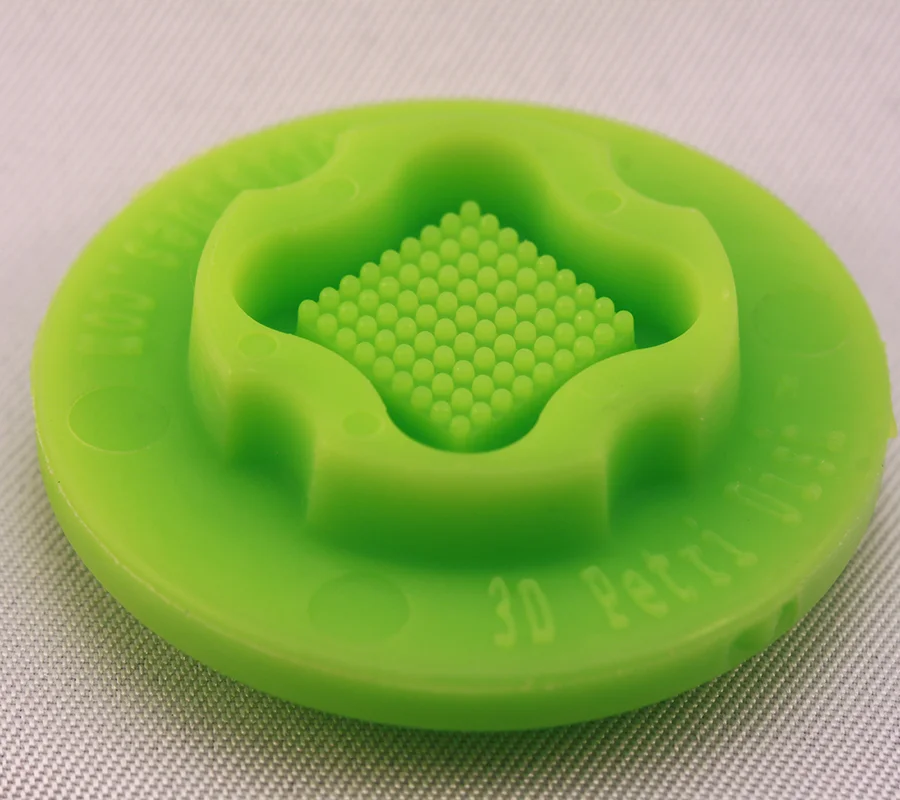
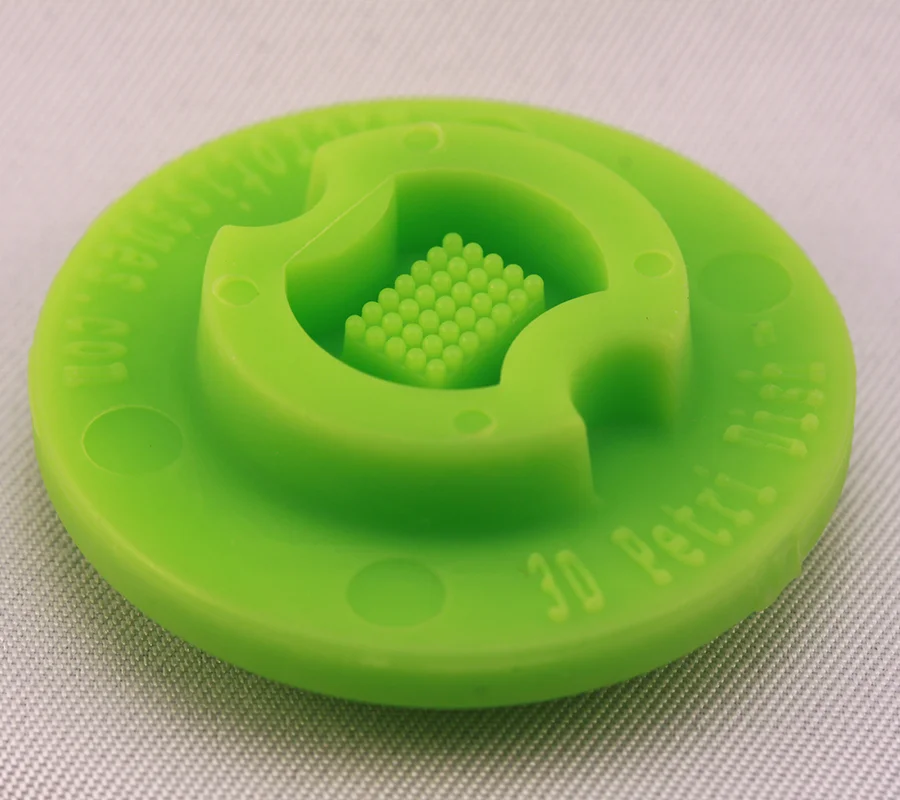
Published in PLOS ONE (2021), this peer-reviewed study used 3D Petri Dish® micro-molds to form scaffold-free 3D microtissues. Full citation: Leedale, Joseph A., et al. Mathematical modelling of oxygen gradients in stem cell-derived liver tissue
Mathematical modelling of oxygen gradients in stem cell-derived liver tissue
Research Overview
A major bottleneck in studying human liver physiology is the supply of stable liver tissue in sufficient quantity, so drug efficacy and toxicity modeling still leans on immortalized human and animal cell lines with well-known drawbacks. Pluripotent stem cells (PSCs) are an attractive alternative: they come from defined genetic backgrounds, scale readily, and can differentiate into every somatic cell type.
The problem is maturation — PSC-derived cells can be made in unlimited numbers, but they remain immature. Building high-fidelity PSC-derived liver tissue therefore requires a better understanding of the cell microenvironment, and this work approaches that by mathematically modeling oxygen gradients within stem cell-derived liver tissue.
Key Discoveries
- Addresses the shortage of stable human liver tissue for drug efficacy and toxicity studies
- PSC-derived hepatic cells are scalable and genetically defined but remain immature
- Mathematical modeling of oxygen gradients used to understand the microenvironment of PSC-derived liver tissue