Summary
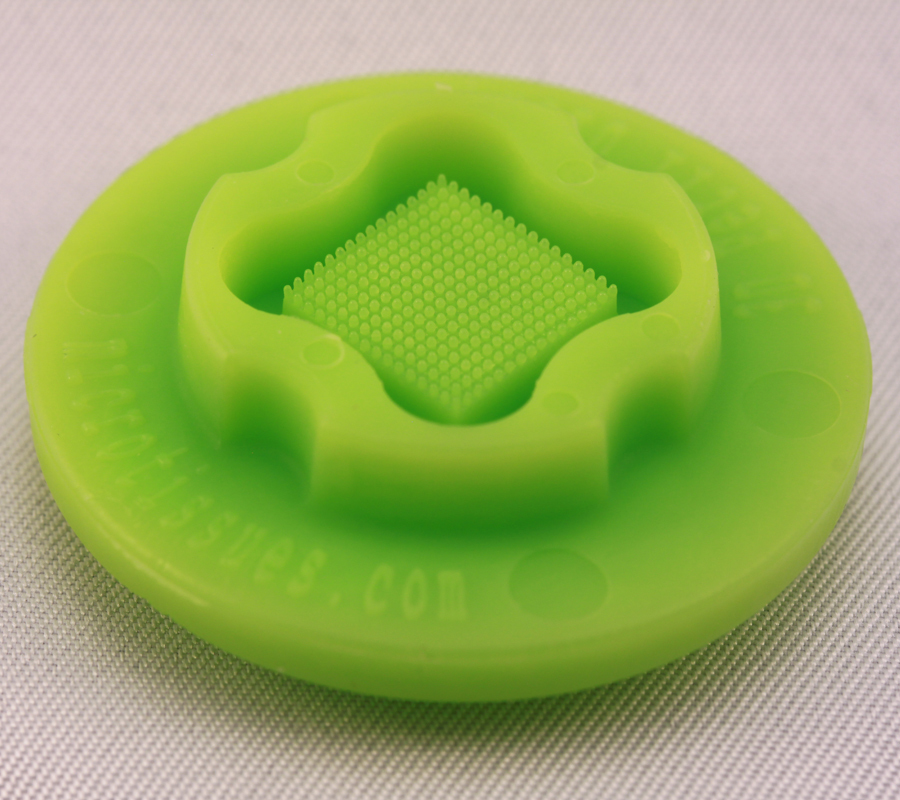
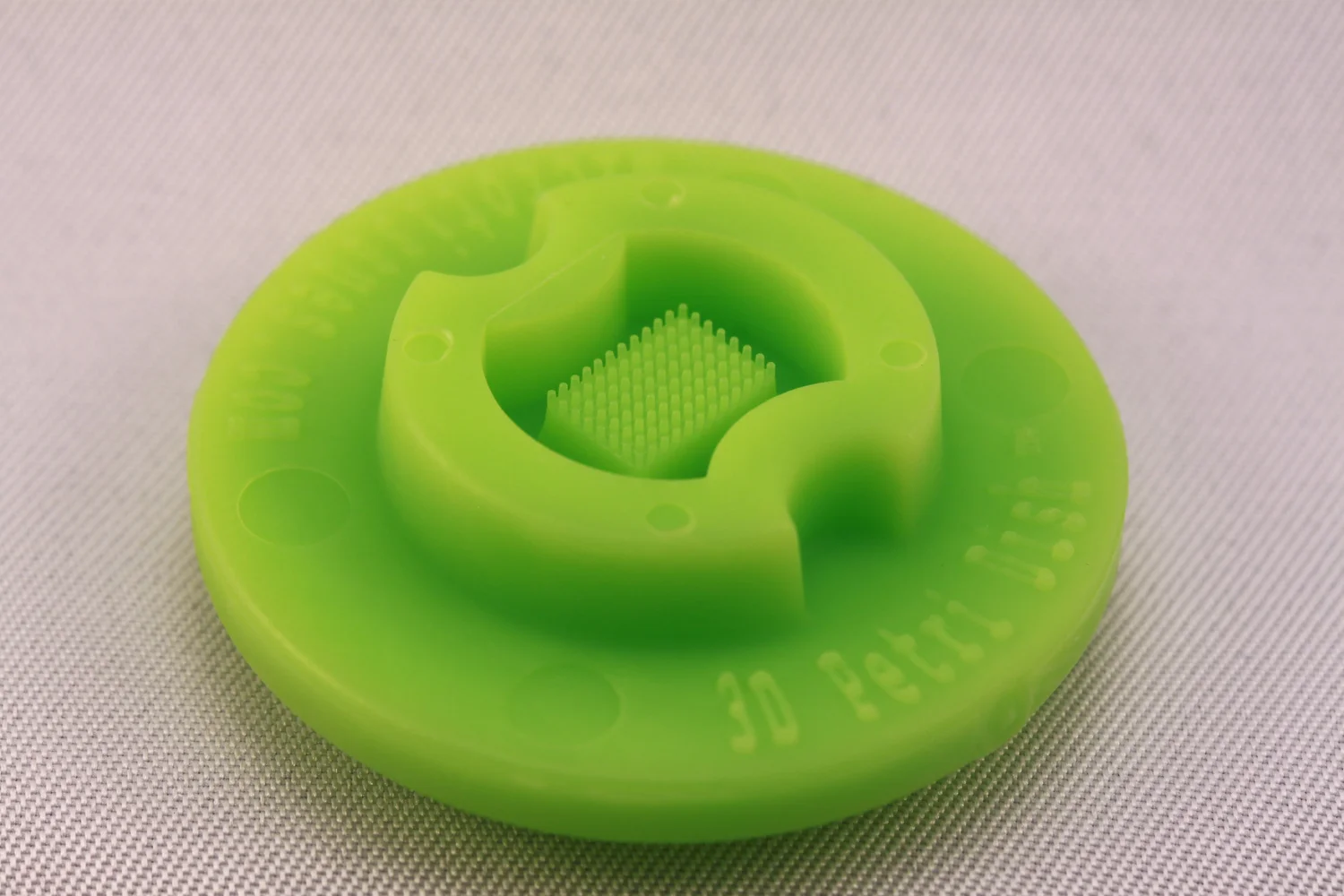
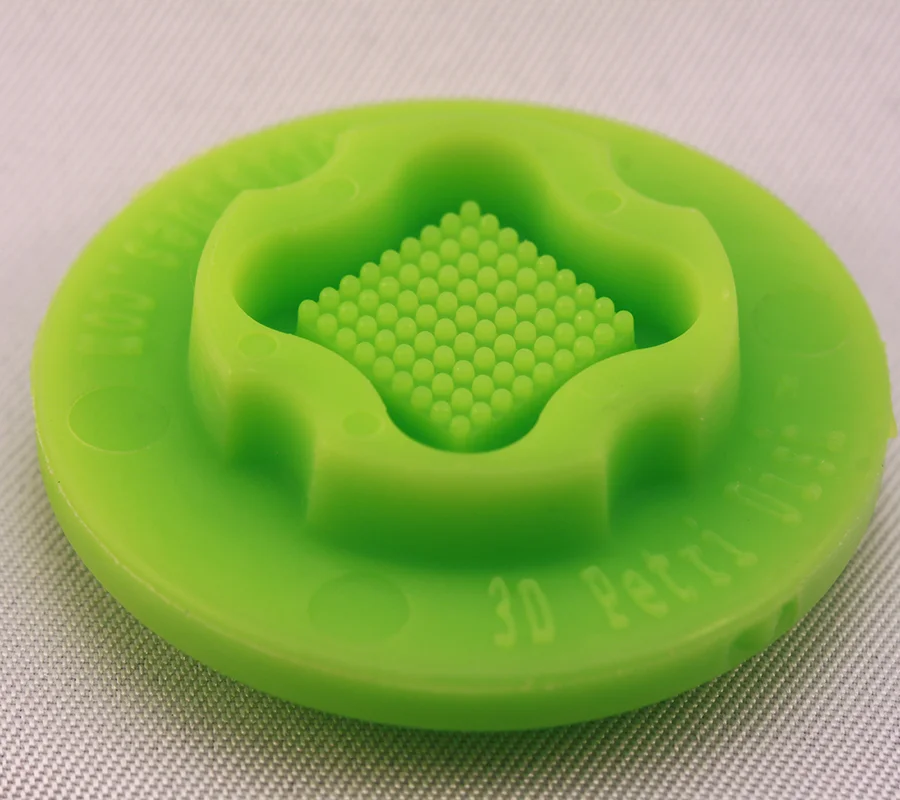
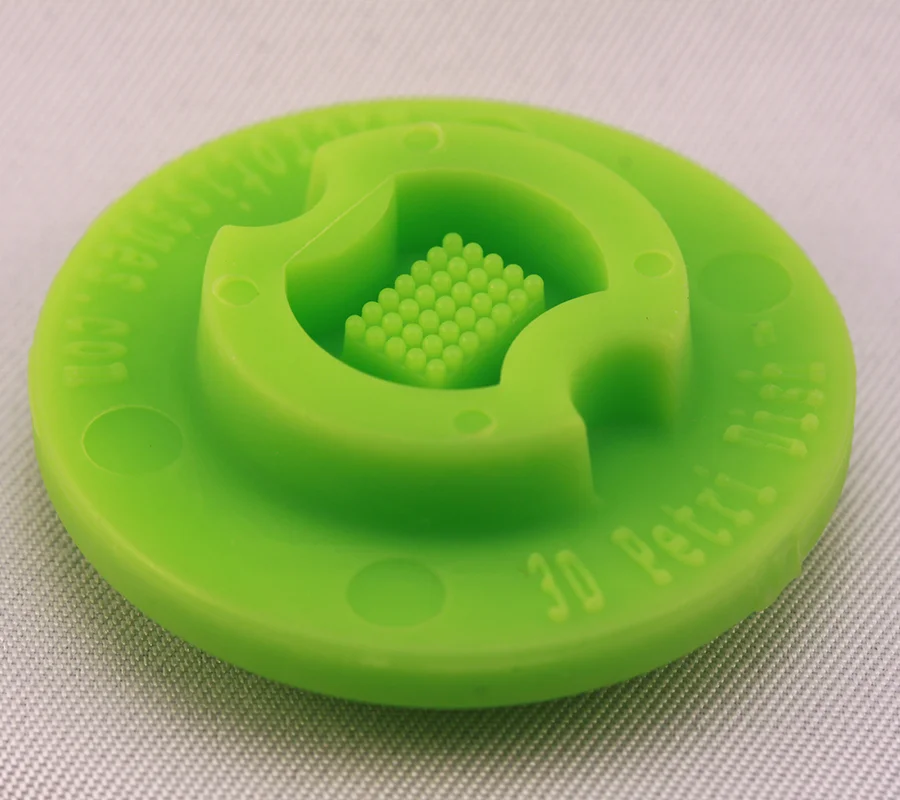
Published in Advanced Healthcare Materials (2019), this peer-reviewed study used 3D Petri Dish® micro-molds to form scaffold-free 3D microtissues. Full citation: Yang, Haibo, et al. Materials Stiffness‐Dependent Redox Metabolic Reprogramming of Mesenchymal Stem Cells for Secretome‐Based Therapeutic Angiogenesis
Materials Stiffness‐Dependent Redox Metabolic Reprogramming of Mesenchymal Stem Cells for Secretome‐Based Therapeutic Angiogenesis
Research Overview
Redox metabolism shapes the paracrine activity and therapeutic value of mesenchymal stem cells, yet while materials cues are widely used to steer differentiation, their role in controlling redox paracrine signaling was largely unexplored.
Using mechanically tunable fibronectin-conjugated polyacrylamide hydrogels, this study showed that a compliant microenvironment matching native tissue stiffness (E = 0.15 kPa) mechano-regulates intracellular reactive oxygen species levels in human adipose-derived mesenchymal stem cells — and that the cells respond to that ROS imbalance with metabolic reprogramming, tying substrate mechanics to stem cell secretory function.
Key Discoveries
- Native-tissue-mimicking stiffness (0.15 kPa) mechano-regulated intracellular ROS in adipose MSCs
- Cells responded to the ROS imbalance with redox metabolic reprogramming
- Links substrate mechanics to MSC paracrine activity, not just differentiation