Summary
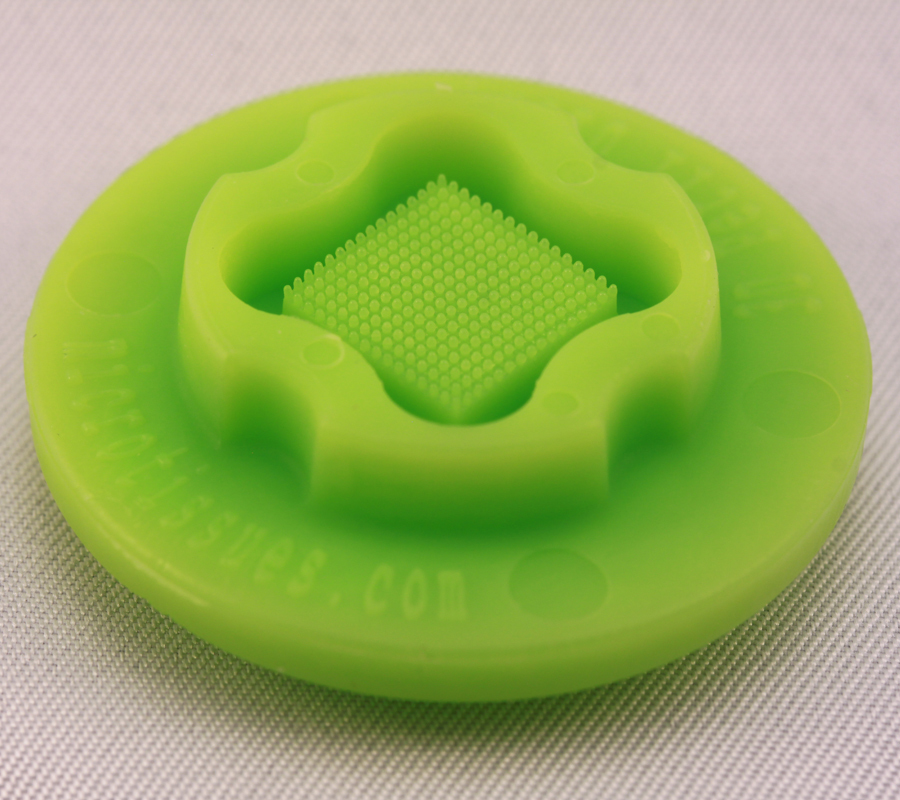
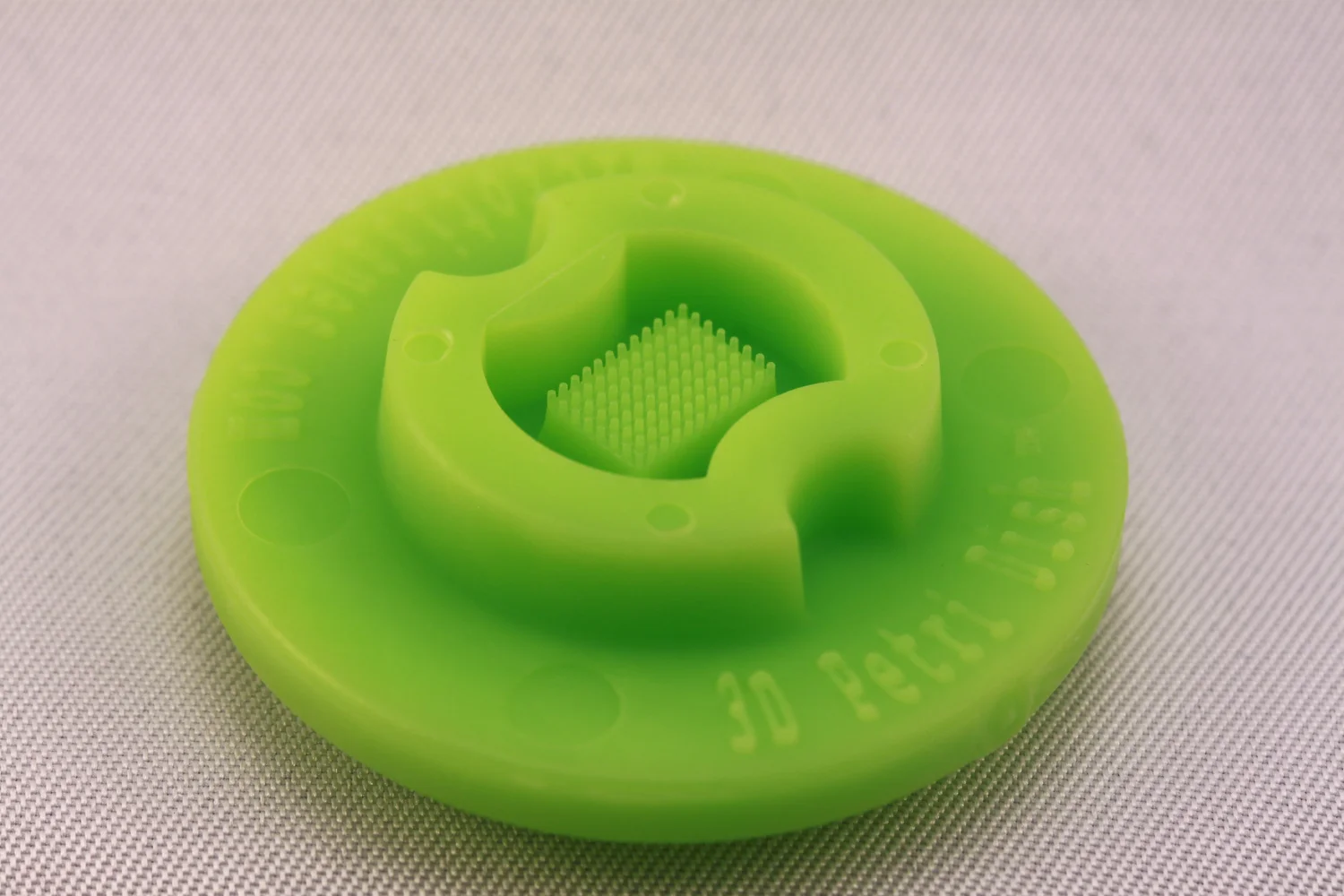
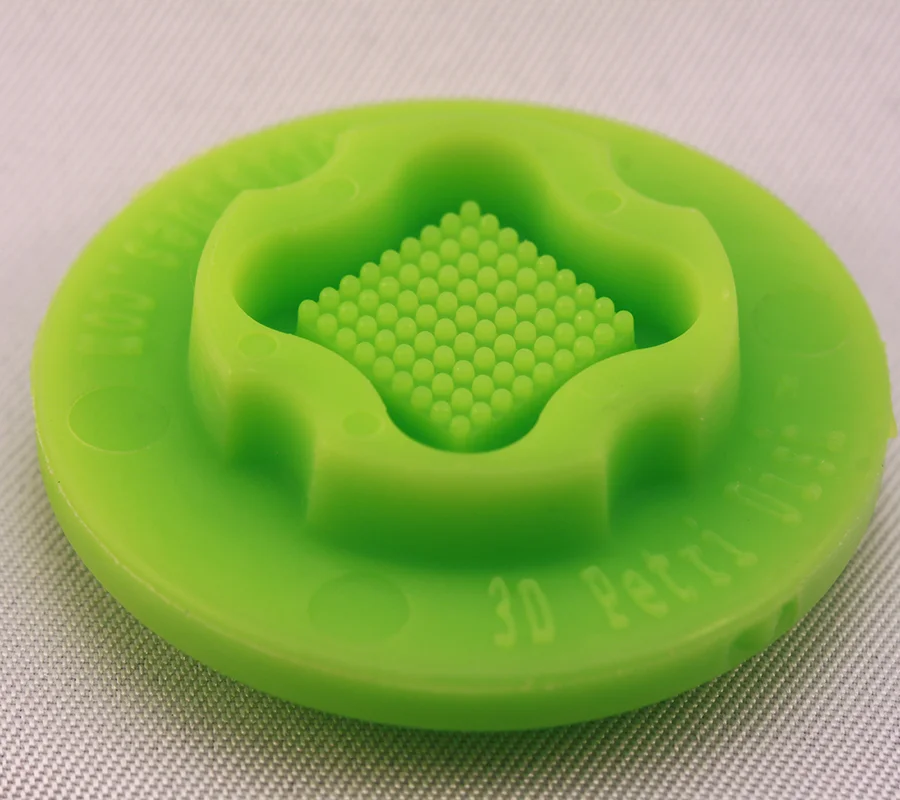
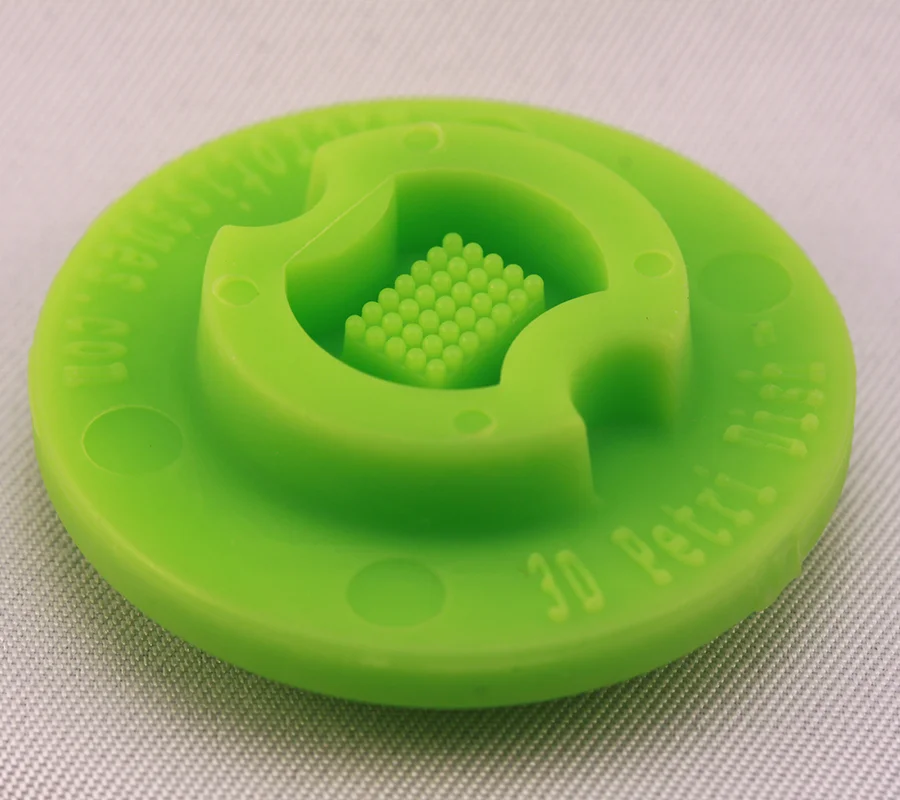
Published in Cells (2022), this peer-reviewed study used 3D Petri Dish® micro-molds to form scaffold-free 3D microtissues. Full citation: Białkowska, Kamila, et al. Interaction of Cationic Carbosilane Dendrimers and Their siRNA Complexes with MCF-7 Cells Cultured in 3D Spheroids
Interaction of Cationic Carbosilane Dendrimers and Their siRNA Complexes with MCF-7 Cells Cultured in 3D Spheroids
Research Overview
Cationic dendrimers carry siRNA into cells efficiently, crossing membranes and shielding the nucleic acid from RNase. This study tested two carbosilane dendrimers, CBD-1 and CBD-2, and their complexes with pro-apoptotic siRNA against Mcl-1 and Bcl-2 on MCF-7 breast cancer cells grown as spheroids.
Cytotoxicity was measured by live/dead assay and Annexin V flow cytometry, and dendriplex uptake by flow cytometry and confocal microscopy. In 3D, CBD-2 proved more toxic than CBD-1 — the reverse of the 2D result — and attaching siRNA did not increase cytotoxicity at 24 or 48 hours, with apoptosis markers showing no large rise after 24 hours.
Key Discoveries
- Carbosilane dendrimers CBD-1 and CBD-2 with Mcl-1/Bcl-2 siRNA tested on MCF-7 spheroids
- CBD-2 was more toxic than CBD-1 in 3D, contradicting 2D results
- Adding siRNA did not increase cytotoxicity at 24 or 48 h