Summary
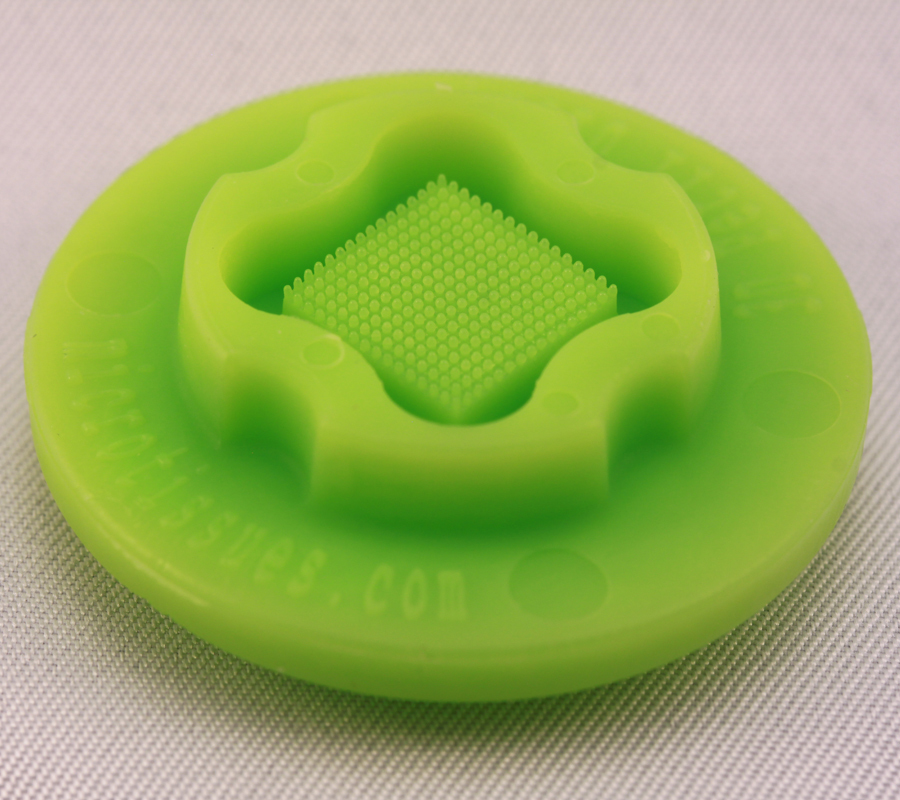
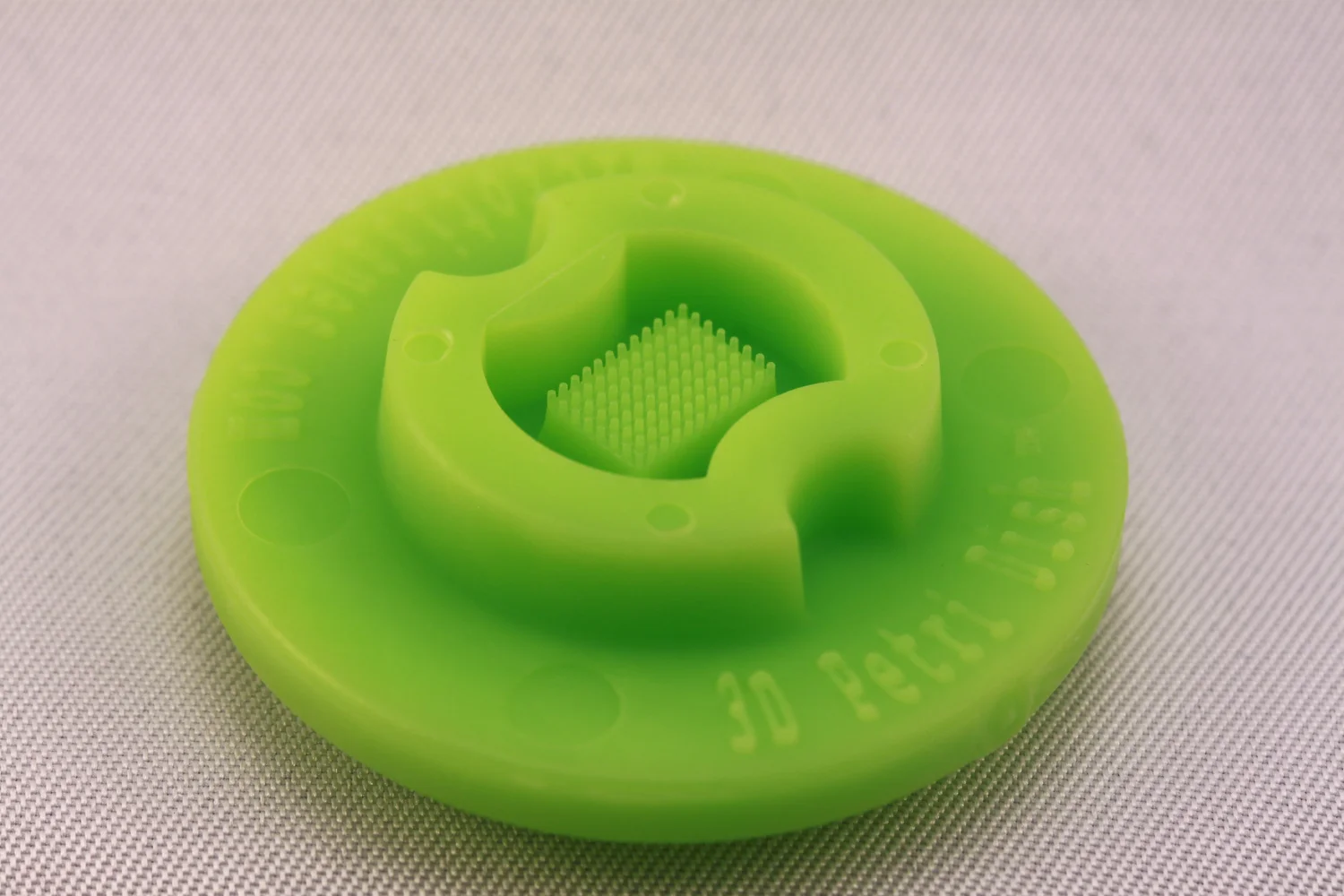
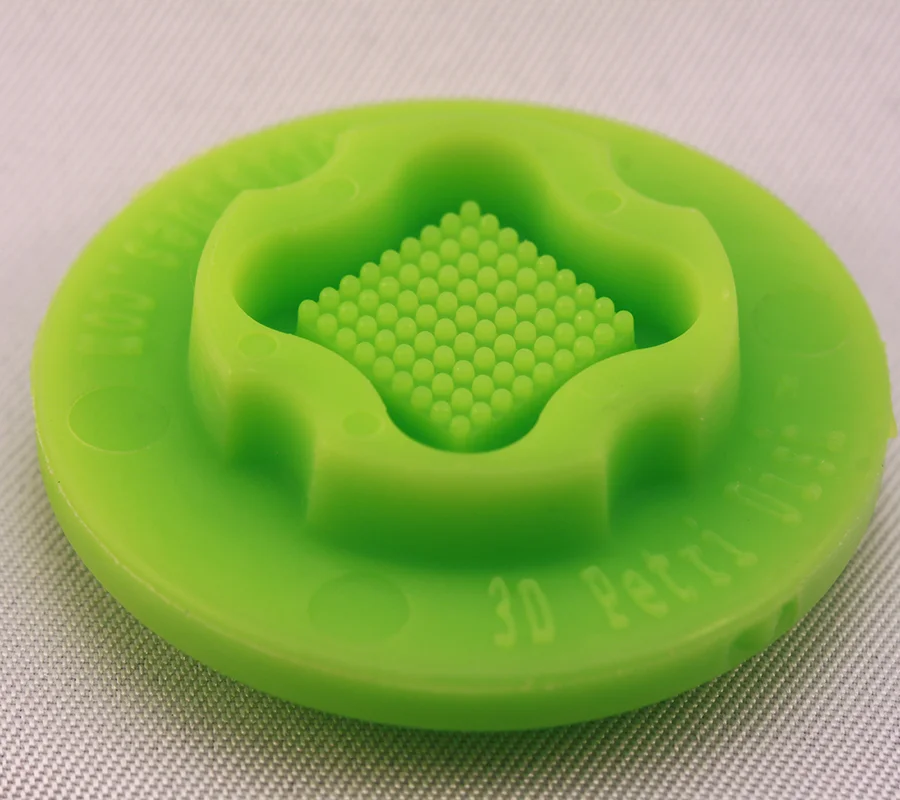
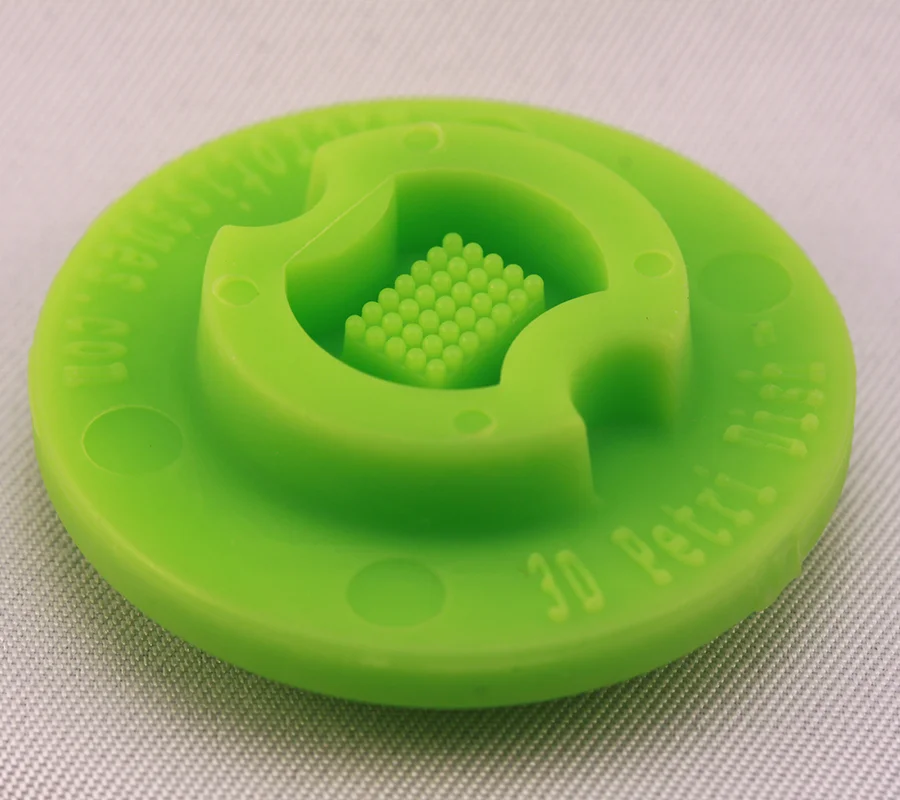
Published in Nature Communications (2019), this peer-reviewed study used 3D Petri Dish® micro-molds to form scaffold-free 3D microtissues. Full citation: Lebreton, Fanny, et al. Insulin-producing organoids engineered from islet and amniotic epithelial cells to treat diabetes
Insulin-producing organoids engineered from islet and amniotic epithelial cells to treat diabetes
Research Overview
Long-term euglycemia after intraportal islet transplantation is undermined by heavy islet loss in the peri-transplant period, driven by inflammation, ischemia, and poor angiogenesis. This study shows that viable, functional islet organoids can be generated from dissociated islet cells combined with human amniotic epithelial cells (hAECs).
Incorporating hAECs into the islet organoids markedly enhanced engraftment, viability, and graft function in a mouse model of type 1 diabetes. Engineering functional mini-organs this way could open up more favorable implantation sites and be extended to unlimited sources of insulin-producing cells, whether stem cell-derived or xenogeneic.
Key Discoveries
- Functional islet organoids built from dissociated islet cells plus human amniotic epithelial cells
- hAEC incorporation markedly improved engraftment, viability, and graft function in a T1D mouse model
- Strategy is extensible to stem cell-derived or xenogeneic insulin-producing cells